



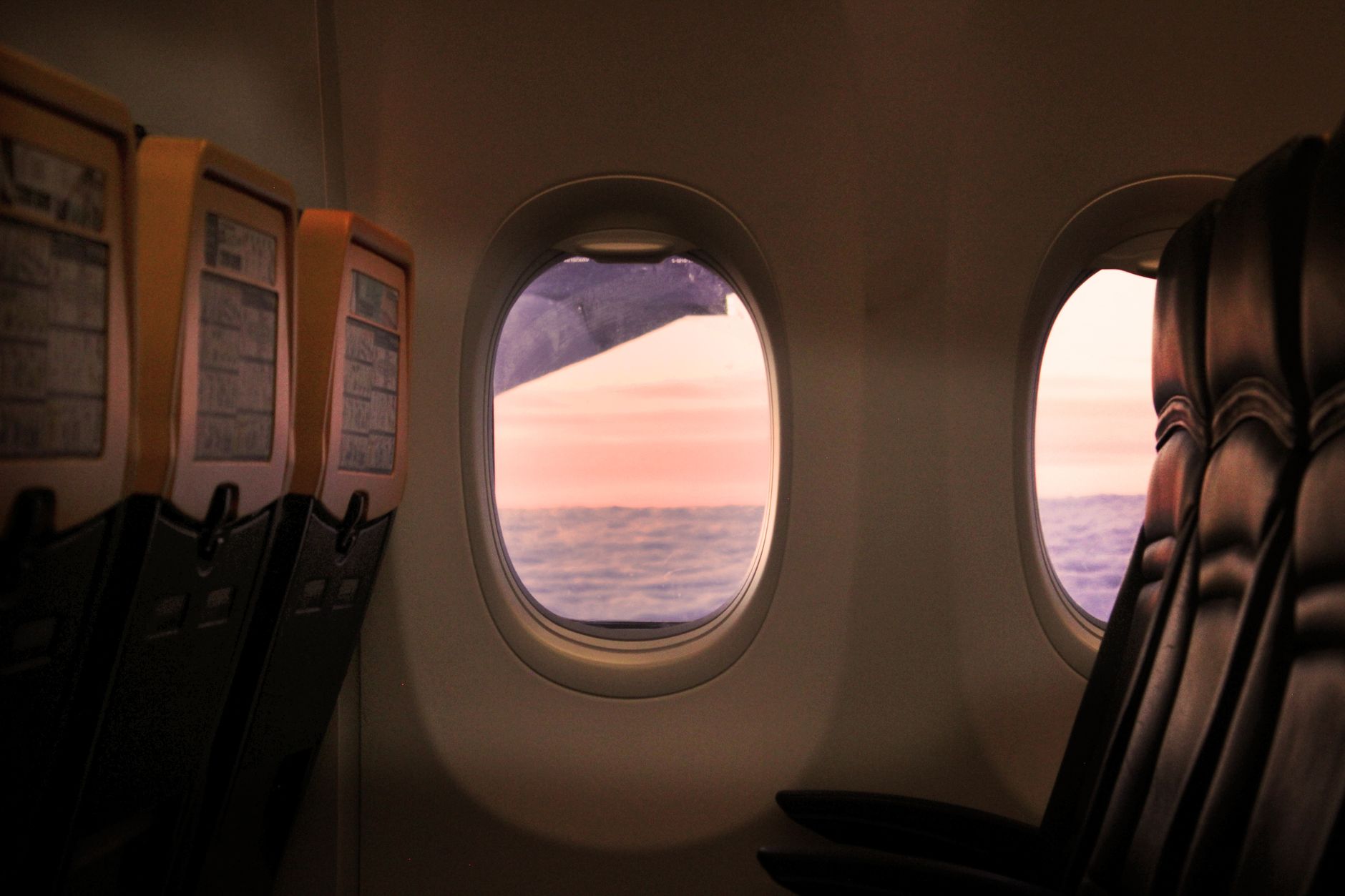
Photo by Begimai Nurmametova on Pexels
When you think of in‑flight comfort, most travelers consider neck pillows, noise‑cancelling headphones, or a good novel. Rarely do we pause to consider the sun’s invisible rays that can penetrate cabin windows at cruising altitude. UV‑A radiation is stronger up to 30,000 feet, and the cumulative effect can accelerate skin aging and increase cancer risk. Building a personal sun‑protection routine for every flight doesn’t have to be complicated. Below are four core steps, real‑world product examples, and a quick FAQ to keep your skin safe from take‑off to touchdown.
1. Assess Your UV Exposure Before You Board
Understanding the environment is the first line of defense. Most commercial aircraft have windows made of acrylic or polycarbonate, which block most UV‑B but let through up to 75% of UV‑A. The risk spikes on sunny routes (e.g., New York to Los Angeles) and at higher latitudes during summer.
- Check the flight path: Use apps like FlightRadar24 to see if you’ll be flying over bright, high‑altitude regions.
- Time of day matters: Mid‑day flights expose you to the strongest UV‑A. If possible, choose early‑morning or late‑evening departures.
- Window seat selection: If you love the view, opt for a window seat but pair it with a UV‑blocking strategy; if you’re sensitive, request an aisle seat.
By gathering this intel, you can tailor the intensity of your routine—light sunscreen for a short regional hop, or a more robust protocol for a trans‑Pacific marathon.
2. Choose the Right Sunscreen for Cabin Conditions
Traditional “water‑resistant” sunscreens are overkill on a dry, pressurized cabin. Instead, look for broad‑spectrum formulas with at least SPF 30 that are non‑comedogenic and lightweight. Here are three vetted options that fit in a travel‑size tube (≤50 ml):
- EltaMD UV Clear SPF 46 – Gel‑cream texture, ideal for sensitive or acne‑prone skin. It contains niacinamide, which calms inflammation caused by cabin dryness.
- Supergoop! PLAY Everyday Sunscreen SPF 50 – A sheer, reef‑safe lotion that doubles as a moisturizer. Its antioxidant blend (vitamin E, green tea) combats oxidative stress from UV‑A.
- La Roche‑Posay Anthelios Melt‑In Milk SPF 60 – Ultra‑light, fragrance‑free, and designed for frequent re‑application without feeling greasy.
Apply 1/4 teaspoon to your face, neck, and any exposed skin 15 minutes before boarding. Re‑apply after every two‑hour flight segment or after using the lavatory, as cabin humidity can wear down the film.
3. Layer Protective Accessories
Sun protection isn’t just about sunscreen. Physical barriers add a safety net, especially when you’re sitting by a window for hours.
- UV‑blocking sunglasses: Choose lenses with a UV‑400 rating. Brands like Warby Parker or Ray‑Ban offer fold‑away styles that fit in a carry‑on pocket.
- Window film stickers: Small, removable UV‑filter stickers can be applied to airplane windows (check airline policy first). They reduce up to 90% of transmitted UV‑A.
- Lightweight scarf or shawl: A breathable cotton or silk wrap draped over your shoulders can shield the neck and décolletage, areas often missed by sunscreen.
Example: On a 12‑hour New York‑Tokyo flight, I layered EltaMD UV Clear, a pair of UV‑400 sunglasses, and a silk scarf. By the end of the journey, my skin felt hydrated, and I didn’t experience the usual post‑flight “tightness” that signals UV damage.
4. Hydrate, Nourish, and Recover Post‑Flight
UV exposure combined with low cabin humidity can deplete your skin’s moisture barrier. A post‑flight recovery routine seals in the protection you built during the flight.
- Drink water: Aim for at least 2 L of fluid during a long haul. Electrolyte tablets can help replace salts lost through dry air.
- Apply a reparative serum: Look for hyaluronic acid paired with antioxidants (e.g., Vichy Mineral 89 or Drunk Elephant C‑Ferulic). These ingredients replenish moisture and neutralize free radicals.
- Use a night‑time barrier cream: Products with ceramides (e.g., CeraVe Moisturizing Cream) lock in hydration and support skin repair while you sleep.
Within 24 hours of following this routine after a cross‑continental flight, I noticed less redness around my eyes and a smoother texture on my cheeks—clear signs that the skin barrier stayed intact.
FAQ
Do I really need sunscreen on a plane?
Yes. Even though you’re inside a cabin, up to 75% of UV‑A penetrates the windows. Over time, this can cause premature aging and increase skin‑cancer risk.
Can I use a spray sunscreen on a flight?
Most airlines treat aerosol cans as hazardous liquids, so they’re not allowed in carry‑on luggage. Opt for a pump or stick sunscreen that complies with the 100 ml rule.
What if I’m on a short domestic flight?
For flights under two hours, a lightweight SPF 30 moisturizer (like Neutrogena Hydro Boost Water Gel SPF 30) is sufficient. Still, apply it before boarding and re‑apply if you’re seated by a window for the entire duration.
Found this helpful? Share it with fellow travelers! ✈️
0 comments:
Post a Comment