



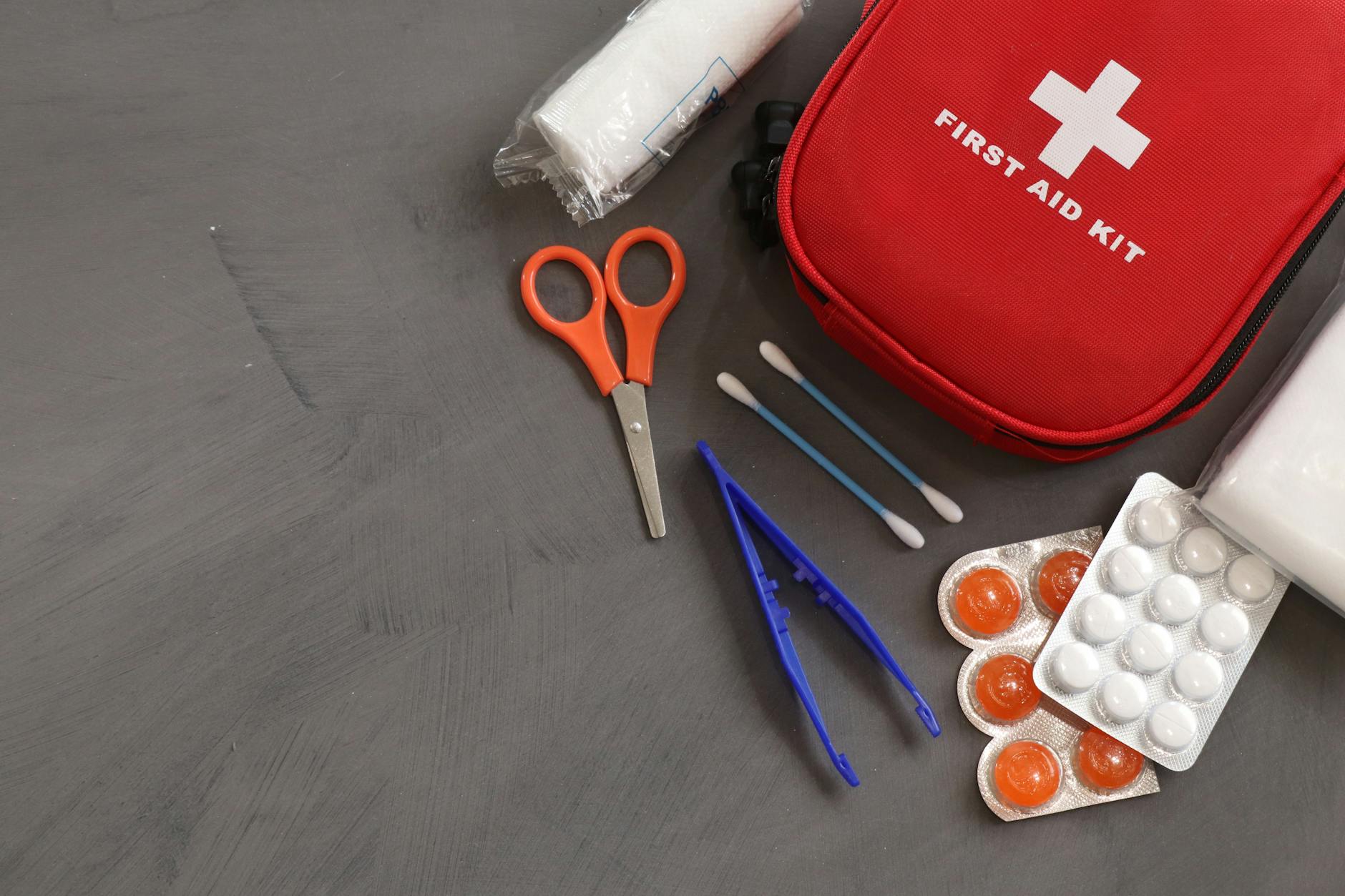
Photo by Roger Brown on Pexels
Packing a Travel Emergency Kit: A Lifesaver for the Unexpected
As a seasoned traveler, I've had my fair share of unexpected situations. From lost luggage to unexpected medical emergencies, it's essential to be prepared for anything that may come your way. And that's where a travel emergency kit comes in – a lifesaver that can help you navigate even the most challenging situations. A travel emergency kit is a small collection of essential items that you can carry with you at all times. It's designed to help you stay safe, healthy, and connected in case of an emergency. But what exactly should you include in your emergency kit, and how can you pack it effectively?Section 1: Essential Medications and First Aid
When it comes to packing a travel emergency kit, it's essential to include essential medications and first aid supplies. Here are a few must-haves: * Prescription medications and copies of prescriptions * Over-the-counter pain relievers and antihistamines * Bandages, antiseptic wipes, and antibiotic ointment * Gauze pads and medical tape * Tweezers and scissors For example, if you're traveling to a destination with a high risk of mosquito-borne illnesses, consider packing insect repellent and antimalarial medication.Section 2: Communication and Navigation
In case of an emergency, it's crucial to have a way to communicate with the outside world. Here are a few items to include in your emergency kit: * A portable charger for your phone * A backup power bank * A whistle or other signaling device * A map or GPS device * A universal power adapter for charging your devices For instance, if you're traveling to a remote area with limited cell phone coverage, consider packing a satellite phone or a personal locator beacon (PLB).Section 3: Personal and Hygiene Items
In addition to essential medications and communication devices, it's also essential to include personal and hygiene items in your emergency kit. Here are a few must-haves: * A small supply of cash and credit cards * A change of clothes and undergarments * A toothbrush, toothpaste, and dental floss * Moist towelettes and hand sanitizer * A small first aid manual or guidebook For example, if you're traveling to a destination with limited access to clean water, consider packing a water purification system or a portable water filter.Section 4: Miscellaneous Items
Finally, here are a few miscellaneous items that you should consider packing in your emergency kit: * A small flashlight or headlamp * A pack of matches or a lighter * A small blanket or emergency bivvy sack * A pack of playing cards or a deck of cards * A small notebook and pen For instance, if you're traveling to a destination with frequent power outages, consider packing a portable lantern or a solar-powered charger.Frequently Asked Questions
Q: What should I include in my emergency kit? A: Include essential medications, first aid supplies, communication devices, personal and hygiene items, and miscellaneous items such as a flashlight and a first aid manual. Q: How often should I check my emergency kit? A: It's a good idea to check your emergency kit every 6-12 months to ensure that all items are still usable and not expired. Q: Can I customize my emergency kit for specific destinations or activities? A: Yes, it's a good idea to customize your emergency kit for specific destinations or activities. For example, if you're traveling to a destination with a high risk of altitude sickness, consider packing Diamox or other altitude sickness medication.Found this helpful? Share it with fellow travelers! ✈️
0 comments:
Post a Comment