



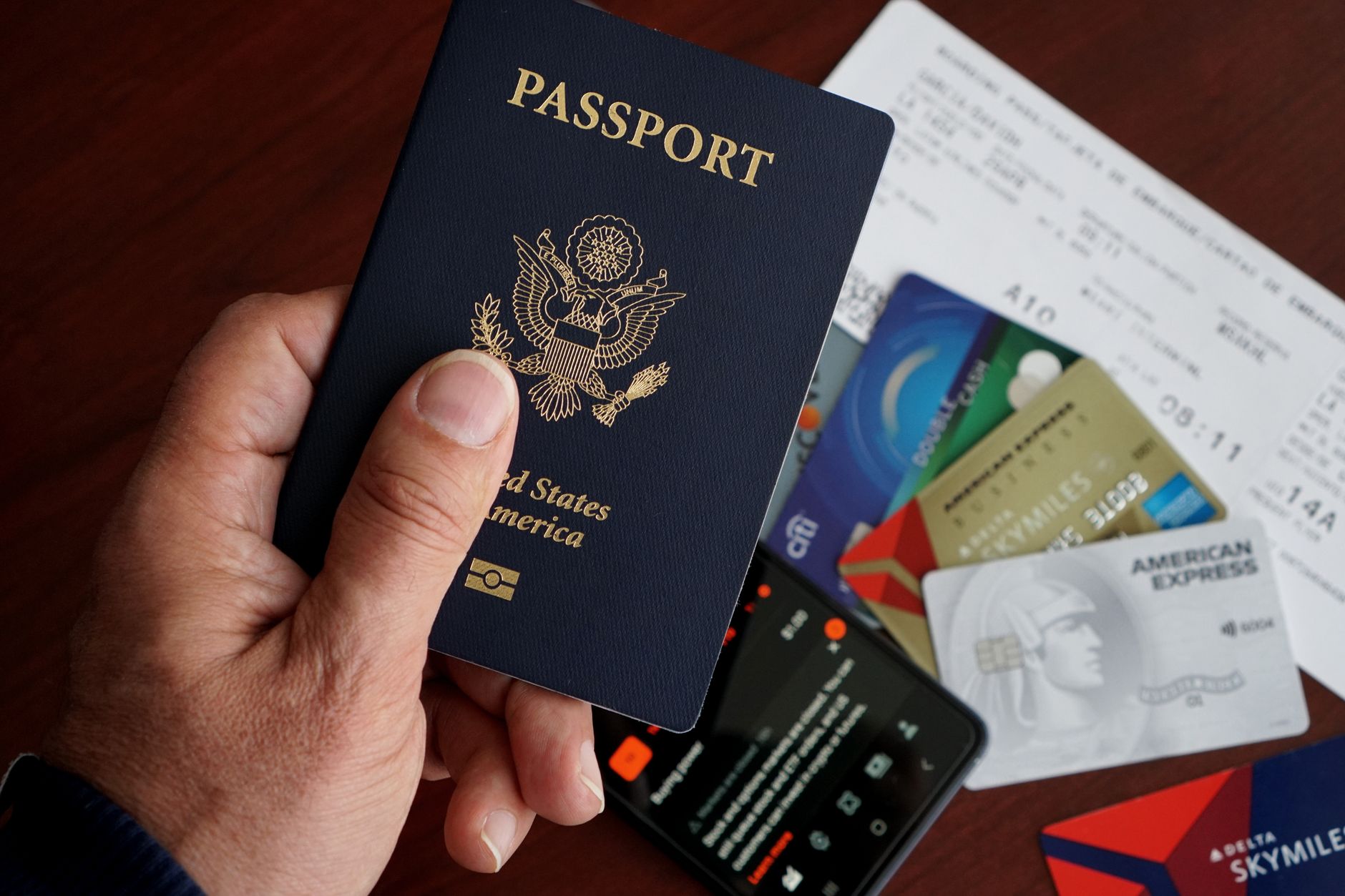
Photo by DΛVΞ GΛRCIΛ on Pexels
As you stand at the border, fumbling through your backpack for your passport, visa, and travel insurance documents, you can't help but think about the importance of proper travel documentation. Having all your papers in order can make all the difference between a seamless border crossing and a frustrating delay. In this article, we'll explore the art of mastering travel documentation and provide you with actionable tips on how to organize and digitize your important papers.
Understanding the Basics of Travel Documentation
Before we dive into the nitty-gritty of document organization, it's essential to understand what documents you need to carry with you while traveling. These typically include your passport, visa, travel insurance documents, health certificates, and driver's license. Make sure you have all these documents in both physical and digital form, and that they are easily accessible in case of an emergency.
- Passport: Make sure it's valid for at least six months beyond your planned departure date.
- Visa: Research the visa requirements for your destination and apply in advance if necessary.
- Travel insurance: Invest in a comprehensive travel insurance policy that covers medical emergencies, trip cancellations, and delays.
Organizing Your Physical Documents
Now that you have all your documents, it's time to organize them in a way that makes sense for your travels. Consider investing in a travel wallet or document organizer that can keep all your papers in one place. You can also use a folder or envelope to keep your documents tidy and easily accessible.
Here are some tips for organizing your physical documents:
- Use a color-coding system to categorize your documents (e.g., blue for passports, red for visas).
- Keep your most important documents (e.g., passport, ID) in a secure and easily accessible location.
- Make photocopies of your documents and leave a copy with a trusted friend or family member in case of an emergency.
Digitizing Your Travel Documents
In today's digital age, it's essential to have digital copies of your travel documents. This will not only save you space in your physical wallet but also provide an added layer of security in case your physical documents are lost or stolen.
Here are some tips for digitizing your travel documents:
- Scan your documents and save them to a secure cloud storage service (e.g., Google Drive, Dropbox).
- Take clear photos of your documents using a smartphone app (e.g., CamScanner, Scanbot).
- Save your digital documents in a password-protected folder or note-taking app (e.g., Evernote, OneNote).
Staying Prepared for Emergency Situations
Even with proper travel documentation, emergency situations can still arise. It's essential to be prepared for the unexpected and have a plan in place. Here are some tips for staying prepared:
- Research your destination's emergency services and contact information.
- Keep a list of important phone numbers (e.g., embassy, insurance provider, emergency contacts).
- Stay informed about local conditions and potential risks through government travel advisories and local news sources.
Frequently Asked Questions
Here are some frequently asked questions about travel documentation:
- What documents do I need to carry with me while traveling? You should carry your passport, visa, travel insurance documents, health certificates, and driver's license.
- How can I digitize my travel documents? You can scan your documents and save them to a secure cloud storage service, take clear photos of your documents using a smartphone app, or save your digital documents in a password-protected folder or note-taking app.
- What should I do in case of an emergency while traveling? Stay calm, contact your emergency contacts, and seek help from local authorities or your embassy if necessary.
Found this helpful? Share it with fellow travelers! ✈️
0 comments:
Post a Comment