



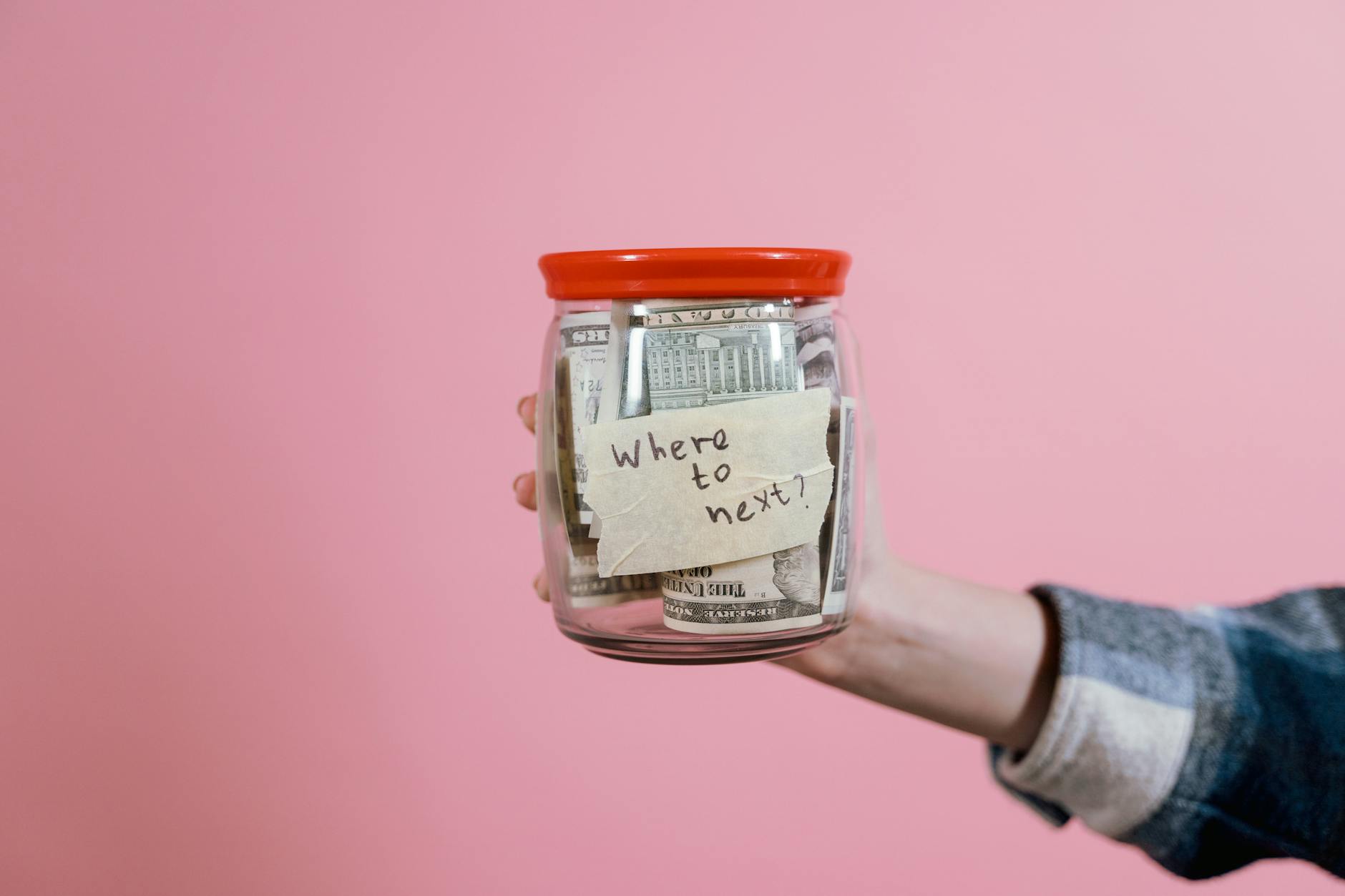
Photo by Tima Miroshnichenko on Pexels
Travel smarter with less money is the dream of every wanderer who watches their bank balance melt faster than the ice in a tropical drink. Picture this: you’re stuck in a cramped airport lounge, scrolling through your phone, wondering why the trip you’ve been planning for months feels more like a financial nightmare than an adventure. It’s a familiar scene, but the good news is that you don’t have to sacrifice experiences to stay within budget. Below are proven, actionable strategies that let you explore the world without breaking the bank.
Plan Flexibly and Book Smart
Flexibility is the secret weapon of budget‑savvy travelers. When you’re open to shifting dates or destinations by even a few days, you unlock a world of cheaper flights and accommodations.
Use Fare Alerts and Hidden‑City Ticketing
- Set up price alerts on Google Flights, Skyscanner, or Kayak. These tools email you when fares drop, allowing you to pounce on the lowest price.
- Consider hidden‑city routing (e.g., booking a flight to a major hub and exiting at a layover). This can shave off 30‑50% of the ticket cost, but be mindful of airline policies.
Travel in Shoulder Seasons
Visiting a destination just before or after peak season means lower prices for flights, hotels, and attractions. For example, traveling to Barcelona in May instead of July can reduce accommodation costs by up to 40% while still offering pleasant weather.
Embrace Local Experiences Over Tourist Traps
Tourist hotspots are notorious for inflated prices. By diving into authentic local life, you not only save money but also enrich your travel story.
Eat Like a Local
- Street food markets often serve dishes that are 70% cheaper than restaurant menus. In Bangkok, a bowl of boat noodles costs under $2.
- Supermarket picnics let you enjoy fresh produce without the restaurant markup. Pack a simple sandwich and find a scenic park for a memorable lunch.
Free and Low‑Cost Attractions
Many cities offer free museum days, walking tours, or public parks that rival paid attractions. In Berlin, the East Side Gallery is a free open‑air gallery, and the city’s public transport day pass costs less than a single museum ticket.
Leverage Alternative Accommodations
Hotels are convenient but often the most expensive lodging option. Exploring alternatives can dramatically cut nightly expenses.
Hostels with Private Rooms
Modern hostels provide private rooms with en‑suite bathrooms, giving you hotel‑like privacy at a fraction of the cost. In Lisbon, a private dormitory can be as low as $30 per night.
Home‑Sharing Platforms
- Airbnb and Vrbo often have entire apartments for under $50 per night, especially outside city centers.
- House‑sitting exchanges let you stay for free in exchange for pet or property care. Websites like TrustedHousesitters connect you with hosts worldwide.
Camping and Glamping
If you’re adventurous, national parks provide campsites for $10‑$20 per night. For a touch of comfort, glamping sites offer pre‑set tents with electricity and beds, still cheaper than a mid‑range hotel.
Maximize Transportation Savings
Getting around can eat up a large portion of your budget. Smart choices here can free up cash for experiences.
Public Transit Over Taxis
Most major cities have extensive subway, bus, or tram networks. A daily transit pass in Tokyo costs about $7, whereas a short taxi ride can cost $30.
Ride‑Sharing and Car‑Pooling
- BlaBlaCar connects drivers with empty seats across Europe, cutting intercity travel costs by up to 60%.
- Uber Pool or local equivalents offer shared rides that are cheaper than solo trips.
Rent Bikes or Scooters
Many cities now provide dockless bike‑share programs. In Copenhagen, a 24‑hour bike pass is under $5 and lets you explore the city at your own pace.
Frequently Asked Questions
- Can I travel on a shoestring budget without sacrificing safety? Yes. Prioritize reputable hostels, use well‑rated ride‑share apps, and keep valuables secure. Research destinations beforehand to avoid risky areas.
- How do I avoid hidden fees when booking flights? Book directly through airline websites when possible, read the fine print for baggage and seat selection fees, and use credit cards that waive foreign transaction charges.
- Is travel insurance necessary if I’m trying to save money? Absolutely. A modest policy can protect you from costly medical emergencies or trip cancellations, ultimately saving you more than the premium.
Found this helpful? Share it with fellow travelers! ✈️
0 comments:
Post a Comment