



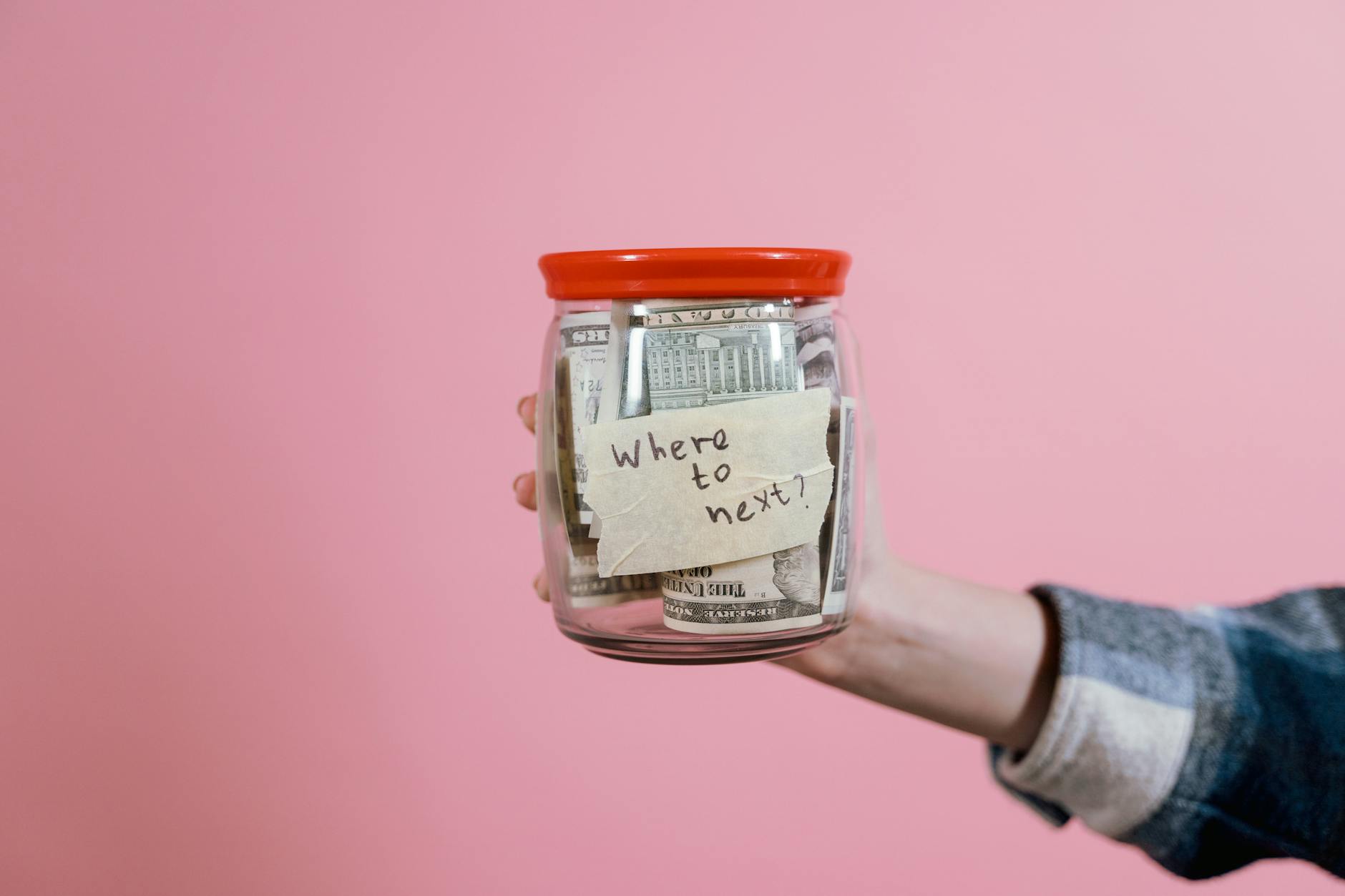
Photo by Tima Miroshnichenko on Pexels
Travel smarter with less money is the mantra that keeps many of us awake at night, scrolling through endless flight deals while dreaming of sunrise over a foreign city. Imagine this: you’ve just booked a weekend getaway, your wallet feels lighter, and the excitement of stepping off the plane is tinged with anxiety about hidden costs. You’re not alone—every traveler has faced the delicate balance between adventure and affordability.
1. Embrace Flexible Dates and Destinations
One of the most powerful ways to stretch your travel budget is to let go of rigid timelines. Airlines and accommodation platforms reward flexibility with dramatic price drops.
How to put it into practice
- Use Google Flights' date grid to compare prices across a whole month. A Tuesday departure can be up to 40% cheaper than a Friday.
- Set up price alerts on Skyscanner or Hopper. When a fare dips below your threshold, you’ll get an instant notification.
- Consider “off‑the‑radar” destinations. For example, swapping a popular European capital for a nearby lesser‑known town can save you 30% on both flights and hotels.
Real example: Jenna, a digital nomad from Austin, shifted her travel window by three days and swapped Lisbon for Porto. She saved $250 on airfare and discovered a vibrant food scene that wasn’t on the typical tourist map.
2. Leverage Alternative Accommodations
Hotels are convenient but often the most expensive line item. Alternative lodging options can provide comfort, local flavor, and significant savings.
Top alternatives
- Hostels with private rooms – many now offer ensuite bathrooms and modern amenities at a fraction of hotel rates.
- Vacation rentals – platforms like Airbnb or Vrbo allow you to cook your own meals, cutting dining costs.
- House‑sitting – sites such as TrustedHousesitters match you with homeowners who need caretakers, often for free accommodation.
- Couchsurfing – a community‑driven option that provides free stays and cultural exchange.
Practical tip: When booking a rental, filter for “kitchen” and “free cancellation.” This lets you shop local markets for fresh produce, saving up to $15 per meal.
Case in point: Marco, a teacher from Spain, house‑sat for a month in Kyoto, eliminating lodging costs entirely while immersing himself in Japanese daily life.
3. Master the Art of Local Eating
Food is a highlight of any trip, but restaurant bills can quickly eat up your budget. Eating like a local not only saves money but also enriches your cultural experience.
Strategies for affordable dining
- Visit street food stalls or market stalls where a meal can cost under $5.
- Buy groceries and prepare simple breakfasts or lunches. A portable sandwich costs far less than a café latte.
- Take advantage of “menu del día” in Spanish‑speaking countries—a fixed‑price lunch that includes multiple courses.
- Use apps like Yelp or TripAdvisor to filter for “budget‑friendly” and read local reviews.
Example: While traveling through Mexico City, Sofia ordered a taco al pastor from a street cart for $1.50 and paired it with a bottled water from a nearby shop, keeping her daily food spend under $10.
4. Optimize Transportation on the Ground
Getting around can be a hidden expense, especially in cities with pricey taxis or rideshares. Smart ground transport choices keep you moving without draining your wallet.
Effective transport hacks
- Public transit passes – daily or weekly passes often cost less than multiple single tickets.
- Rent a bicycle or use city bike‑share programs; they’re cheap and eco‑friendly.
- Consider intercity buses like FlixBus or Megabus, which undercut train fares by up to 70%.
- When rideshares are unavoidable, share the ride with fellow travelers using the “split fare” feature.
Real‑world scenario: During a week‑long trip across Italy, Luca bought a regional train pass that covered unlimited travel between Rome, Florence, and Venice for $120, saving him roughly $250 compared to buying separate tickets.
Frequently Asked Questions
- Q: How can I find reliable price alerts without being bombarded by emails?
A: Use a single app like Hopper, which consolidates alerts into push notifications, and set a clear price threshold so you only receive alerts when a deal truly matters. - Q: Is house‑sitting safe for first‑time travelers?
A: Yes, when you vet the homeowner through reputable platforms, read reviews, and maintain open communication. Start with short stays to build confidence. - Q: What’s the best way to avoid foreign transaction fees?
A: Choose a no‑foreign‑transaction‑fee credit card, and withdraw cash in larger denominations to minimize ATM fees. Some cards also offer cashback on travel purchases.
Found this helpful? Share it with fellow travelers! ✈️
0 comments:
Post a Comment