



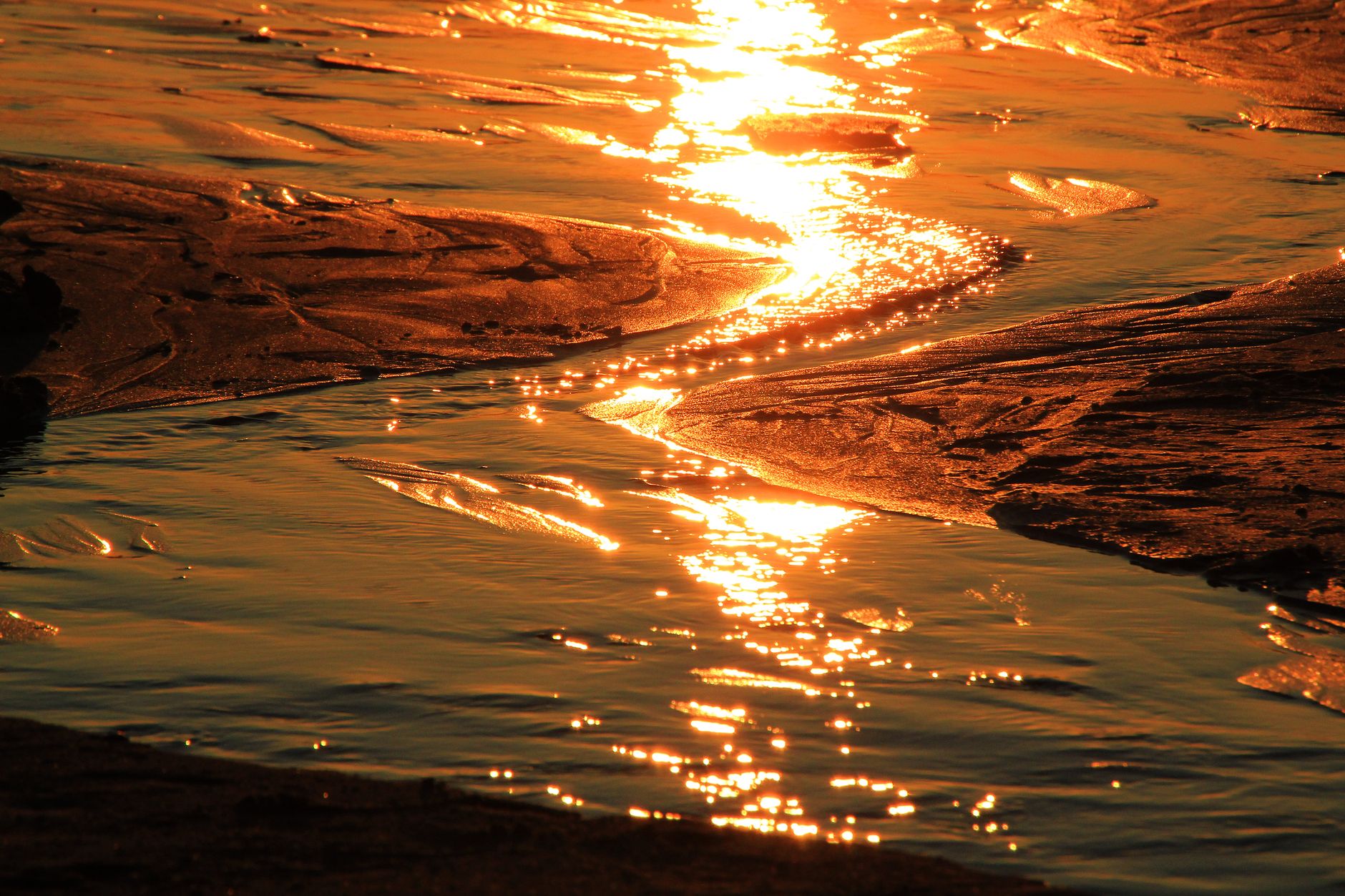
Photo by Horst Joachims on Pexels
Understanding the Magic of Golden Hour
Golden Hour isn’t just a buzzword; it’s a scientifically measurable window when the sun sits between 0° and 6° below the horizon. During this period, sunlight travels through more atmosphere, scattering short‑blue wavelengths and leaving a warm, amber glow that wraps subjects in soft, directional light. For travel photographers, the effect can turn a bustling market lane in Marrakech or a quiet fjord in Norway into a scene that feels cinematic.
Real‑world example: While photographing the white cliffs of Etretat at sunrise, I arrived 15 minutes before the official golden window. The low sun painted the cliffs with a honey‑colored rim, while the shadows deepened the texture of the rock. The resulting image sold as a stock photo for $120.
Gear & Settings: What to Use and How to Adjust
Even the most flattering light can be wasted without the right tools. Here are the essentials:
- Camera: Any DSLR or mirrorless that lets you shoot in RAW. Full‑frame sensors capture the subtle color gradations better, but APS‑C works fine.
- Lenses: A fast prime (24mm f/1.8 or 50mm f/1.4) for shallow depth, or a wide‑angle zoom (16‑35mm) for landscapes.
- Tripod: Golden Hour often means low light; a sturdy tripod prevents blur when you drop shutter speed to 1/30 s or slower.
Key settings:
- Set ISO to 100–400 to keep noise low.
- Use aperture priority (A or Av) and choose f/8–f/11 for landscapes; open up to f/2.8–f/4 for portraits.
- Enable exposure compensation +0.3 to +0.7 stops; the meter often underexposes the warm glow.
- Turn on white‑balance preset “Shade” or “Cloudy” to enhance the orange tones, but shoot RAW so you can fine‑tune later.
Example: In Bali’s rice terraces at sunset, I set ISO 200, f/11, 1/60 s, and +0.5 EV. The resulting shot captured the terraces’ layers with vivid gold without any post‑processing.
Composition Techniques that Make the Light Sing
The quality of light is only half the story; composition decides whether the viewer stays. Apply these pro tricks:
- Silhouettes: Position a strong shape—like a lone palm tree or a historic doorway—against the bright sky. Expose for the sky to turn the foreground into a deep black.
- Backlighting: Place the sun behind your subject to create a rim of light. Use a reflector or a low‑ISO flash to fill in the face if you’re shooting people.
- Leading Lines: Roads, rivers, or fences that point toward the sun draw the eye and emphasize depth.
- Golden Ratio & Rule of Thirds: Position the horizon on the upper third when the sky is dramatic, or on the lower third when the ground is more interesting.
Real example: While wandering the streets of Lisbon at sunrise, I framed a pastel‑colored tram on a cobblestone street that led straight to the glowing horizon. The composition earned 12,000 likes on Instagram and sparked a travel‑photo challenge.
FAQ & Final Tips
Q1: How do I know the exact golden hour times for any location?
A: Use free apps like PhotoPills, The Photographer’s Ephemeris, or even Google’s “sunrise sunset” search. Input the coordinates and the app will give you start and end minutes, plus a live countdown.
Q2: Can I shoot golden hour with a smartphone?
A: Absolutely. Modern phones have HDR and manual mode. Set exposure to -0.5 to -1 EV, tap to focus on the brightest part, and use a small tripod or a stable surface to avoid shake.
Q3: What post‑processing steps enhance golden hour images?
A: In Lightroom, start with a slight increase in temperature (+10‑+15) and vibrance (+15). Use the Tone Curve to lift the shadows gently, then add a subtle split‑toning: warm (orange) highlights and cool (teal) shadows for contrast. Finish with a touch of clarity (+5) to bring out texture without destroying the soft glow.
Remember, the golden hour rewards patience and planning. Arrive early, scout your spot, and keep your gear ready. With the right settings, composition tricks, and a dash of post‑processing finesse, you’ll capture images that feel like they were painted by the sun itself.
Found this helpful? Share it with fellow travelers! ✈️
0 comments:
Post a Comment