



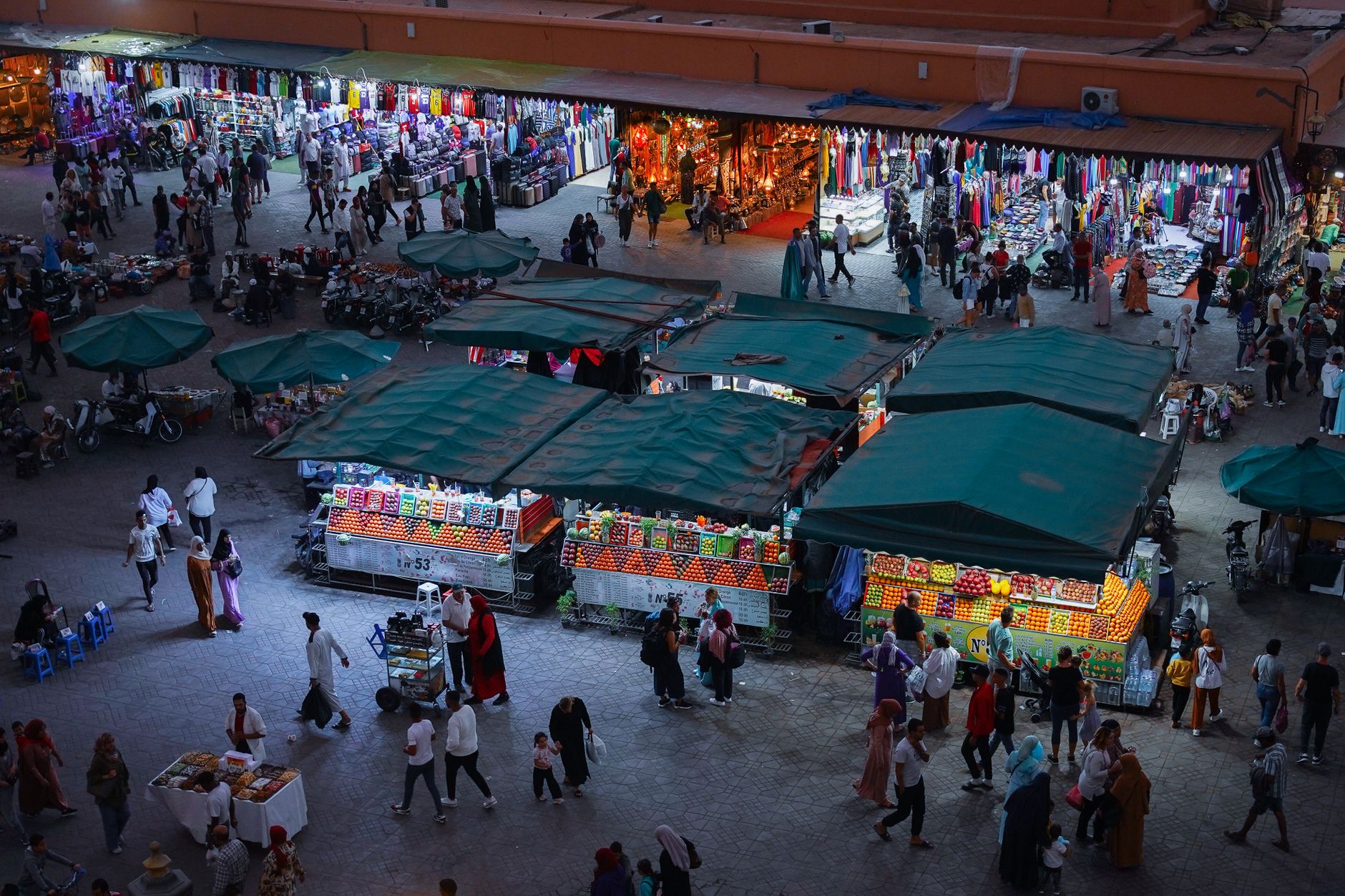
Photo by Mathias Dargnat on Pexels
Cracking Local Food Codes: Eat 20% Cheaper Abroad
Traveling the world doesn’t have to drain your wallet, especially when it comes to food. By learning the subtle language of menus, market stalls, and local dining customs, you can shave roughly a fifth off your meals without sacrificing flavor or experience. Below are four actionable pillars that will help you decode the culinary code of any destination.
Decode the Menu: Spotting Hidden Value
Menus abroad often hide the best‑value dishes behind unfamiliar names. Start by looking for three clues:
- Local language basics: Learn the words for “house special,” “daily,” or “chef’s recommendation.” In Spain, “del día” signals a dish prepared fresh that day, usually at a lower price.
- Portion descriptors: Terms like “small,” “half,” or “shareable” often indicate a reduced price. In Japan, ordering a “tapas‑style” set (called “izakaya” plates) lets you sample multiple items for the cost of one main.
- Ingredient clues: Dishes featuring seasonal produce or staple proteins (rice, beans, potatoes) are cheaper than imported seafood or premium cuts.
Real example: In Lisbon, the menu item “Bacalhau à Brás” (shredded cod with potatoes and eggs) is a house specialty that costs €8, whereas a grilled salmon plate can be €14. Choosing the cod dish saves you €6 while still delivering authentic flavor.
Shop Like a Local: Markets, Supermarkets, and Street Stalls
Dining out isn’t the only way to enjoy local cuisine. Visiting markets and street stalls can cut costs dramatically. Follow these steps:
- Identify the main market: Every city has a flagship market where vendors compete on price. In Bangkok, the Chatuchak Weekend Market offers fresh fruit, grilled pork skewers, and ready‑made noodle bowls for as little as $1.50 each.
- Buy in bulk, eat in portions: Purchase a bag of local rice or a kilo of tomatoes at a supermarket, then prepare simple meals in your hostel kitchen. A Thai fried rice made with market‑bought jasmine rice and a handful of herbs costs under $2.
- Look for “combo” deals: Street vendors often bundle a main, a side, and a drink for a single price. In Mexico City, a taco combo (three tacos, salsa, and a soda) is typically $2.50, versus $4‑$5 at a sit‑down taquería.
Real example: While traveling through Marrakech, I bought a sack of couscous and a handful of dried apricots at the local souk for $3 total. Mixing them with a few vegetables from a nearby stall created a hearty dinner that cost less than half of a restaurant plate.
Timing is Everything: When to Eat for Maximum Savings
Restaurants often adjust prices based on the time of day. Leveraging these patterns can yield instant discounts:
- Lunch specials: Many European eateries offer a "menu du jour" at 50‑70% of the dinner price. In Berlin, a lunch plate of schnitzel with potatoes runs €9, while dinner is €15.
- Early‑bird dinners: Some Asian bistros provide a "happy hour" dinner menu before 7 pm, featuring reduced portions or fewer side dishes.
- Late‑night street food: After the main dinner rush, vendors lower prices to clear inventory. In Seoul, a bowl of kimchi jjigae drops from ₩9,000 to ₩6,500 after 10 pm.
Plan your day around these windows: a hearty lunch, a light snack, and a budget dinner. This rhythm not only saves money but also lets you experience a broader range of flavors.
Leverage Technology: Apps, Websites, and Social Signals
Digital tools can reveal hidden discounts that locals already use. Here’s a quick tech‑toolkit:
- Menu translation apps: Google Translate’s camera mode instantly converts menu items, letting you spot the “daily special” without a language barrier.
- Deal aggregators: Apps like Too Good To Go let you buy surplus food from restaurants at 30‑50% off. In Copenhagen, a leftover smørrebrød costs €2 instead of €5.
- Social media scouting: Follow local food bloggers on Instagram or TikTok. Their stories often highlight flash sales or pop‑up stalls that aren’t listed in guidebooks.
- Currency‑aware price checkers: Use a real‑time conversion app to ensure a listed price truly reflects a discount after exchange rates.
Real example: While in Buenos Aires, I opened the Guía Oleo app and discovered a “mid‑week parrilla” promotion offering a steak dinner for ARS 350 (≈$3.80) instead of the usual ARS 600.
FAQ
- Q1: How can I avoid being overcharged in tourist-heavy areas?
- A1: Walk a few blocks away from major attractions. Restaurants farther from the main square usually serve the same dishes at lower prices. Also, compare menu prices on your phone before ordering.
- Q2: Is it safe to eat street food in unfamiliar countries?
- A2: Yes, if you follow basic hygiene rules: look for stalls with high turnover, watch the vendor prepare food in front of you, and choose items that are cooked hot. Checking local travel forums for recommended stalls adds an extra layer of confidence.
- Q3: Can I still enjoy fine dining while staying on a budget?
- A3: Absolutely. Book a “tasting menu” during lunch hours—many upscale restaurants offer a reduced‑price version of their dinner tasting menu. Pair it with a glass of house wine for a luxurious yet affordable experience.
By mastering these four pillars—menu decoding, local shopping, timing, and tech—you’ll consistently shave about 20% off your food bill abroad. The savings add up, giving you more room to explore, taste, and truly immerse yourself in every destination.
Found this helpful? Share it with fellow travelers! ✈️
0 comments:
Post a Comment