



Understanding the Menu Layout
Every country, and often every region within a country, has its own way of presenting dishes on a menu. In Japan you may see a simple list of set meals (teishoku) with a picture of the main protein, while in Italy a menu is divided into antipasti, primi, secondi, and dolci. Recognizing these sections helps you navigate the ordering process without feeling lost.
- Look for icons or symbols. Many Asian menus use small pictures next to each dish; a wok icon usually signals a stir‑fry, while a leaf may indicate a vegetarian option.
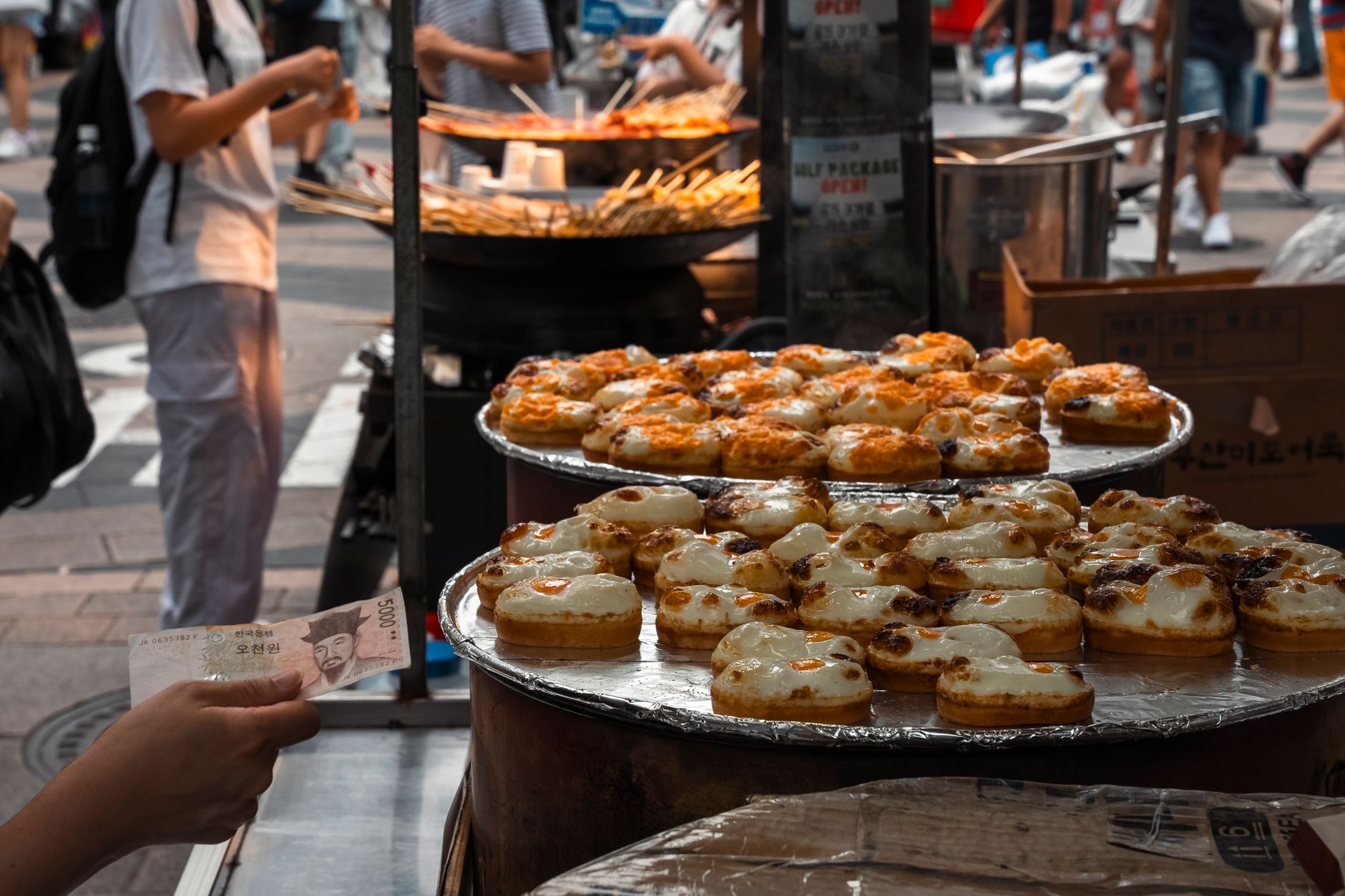
- Identify price ranges. In bustling street markets, dishes under $5 are often the most authentic because they’re made fresh on the spot.
- Notice language cues. Words like “house special” or “chef’s recommendation” ("casa" in Spanish, "maison" in French) often highlight dishes that are prepared the traditional way.
Real example: While traveling in Oaxaca, Mexico, I spotted a menu split into “Tlayudas,” “Moles,” and “Postres.” Knowing that “Mole” is a complex, slow‑cooked sauce, I chose the “Mole Negro” to experience the region’s signature flavor profile.
Spotting Authentic Ingredients and Terms
Authentic dishes are built on local ingredients that may not be familiar to the casual traveler. Learning a handful of key terms can instantly signal authenticity.
- Thai: “Nam prik” (chili paste) and “khao niew” (sticky rice) appear in many dishes. If a menu lists “Pad Thai with tamarind sauce,” you’re likely getting the classic sweet‑sour flavor.
- Greek: Look for “saganaki” (fried cheese) or “horiatiki” (village salad). A dish named “Kleftiko” means slow‑cooked lamb with herbs—a true Greek tradition.
- Moroccan: “Ras el‑hanout” (a spice blend) and “preserved lemon” are hallmarks of genuine tagines.
When you see these ingredients, you can be confident the chef is staying true to the regional palate. If a dish lists “soy sauce” in a traditional Italian menu, it’s a red flag that the recipe may have been westernized.
Real example: In a small bistro in Lisbon, the menu offered “Bacalhau à Brás” with a description mentioning “garnished with fresh parsley and a drizzle of olive oil.” Recognizing “bacalhau” (cod) and “olive oil” as staple Portuguese ingredients reassured me that the dish was prepared authentically.
Communicating Confidence: Phrases and Etiquette
Speaking the local language—even just a few phrases—shows respect and often earns you a better seat at the table. Here are three universally useful lines:
- “What do you recommend for someone new to the cuisine?” – invites the staff to share a signature dish.
- “Is this dish made with the traditional recipe?” – helps you filter out tourist‑friendly versions.
- “Can I have it less spicy / more mild?” – a polite way to adjust heat without compromising flavor.
Body language matters too. In many Asian cultures, pointing directly at a menu item can be considered rude; instead, use a gentle tap with your index finger while maintaining eye contact.
Real example: While ordering in a bustling night market in Bangkok, I asked the vendor, “Can you recommend something with chicken and lemongrass?” He smiled, prepared a “Gai Pad Krapow” (basil chicken) right in front of me, and explained each ingredient. The personal recommendation turned a simple meal into a cultural lesson.
Putting It All Together: Sample Orders and FAQs
Now that you understand layout, ingredients, and etiquette, try these ready‑to‑use scripts when you sit down:
- Spain (Tapas bar): “¿Qué tapa es la más típica de la región?” (Which tapa is the most typical of the region?) followed by “Una por favor, con una cerveza pequeña.” (One please, with a small beer.)
- India (South Indian restaurant): “Can I have the dosa with coconut chutney and sambar, and could you make the sambar a bit less spicy?”
- Peru (Cevichería): “I’d like the ceviche that uses fresh limón and ají pepper. Is it prepared with the traditional marinade?”
These scripts combine a request for authenticity with a polite customization, ensuring you get the true flavor while respecting local customs.
FAQ
- What if I can’t read the menu at all? Bring a translation app, but also look for pictures, price categories, and any highlighted “house specials.” Often the most photographed dish on the wall is the local favorite.
- How do I avoid tourist‑trap versions of a dish? Ask the server which item is “most popular among locals” or “prepared the traditional way.” In many places, the dish without an English description is the genuine article.
- Is it rude to ask for modifications? Generally no, as long as you phrase it politely. In Japan, saying “少し辛くしないでください” (Please make it a little less spicy) is perfectly acceptable and often appreciated.
Armed with these strategies, you’ll move from hesitant tourist to confident food explorer, savoring authentic local dishes wherever your travels take you.
Found this helpful? Share it with fellow travelers! ✈️
0 comments:
Post a Comment