



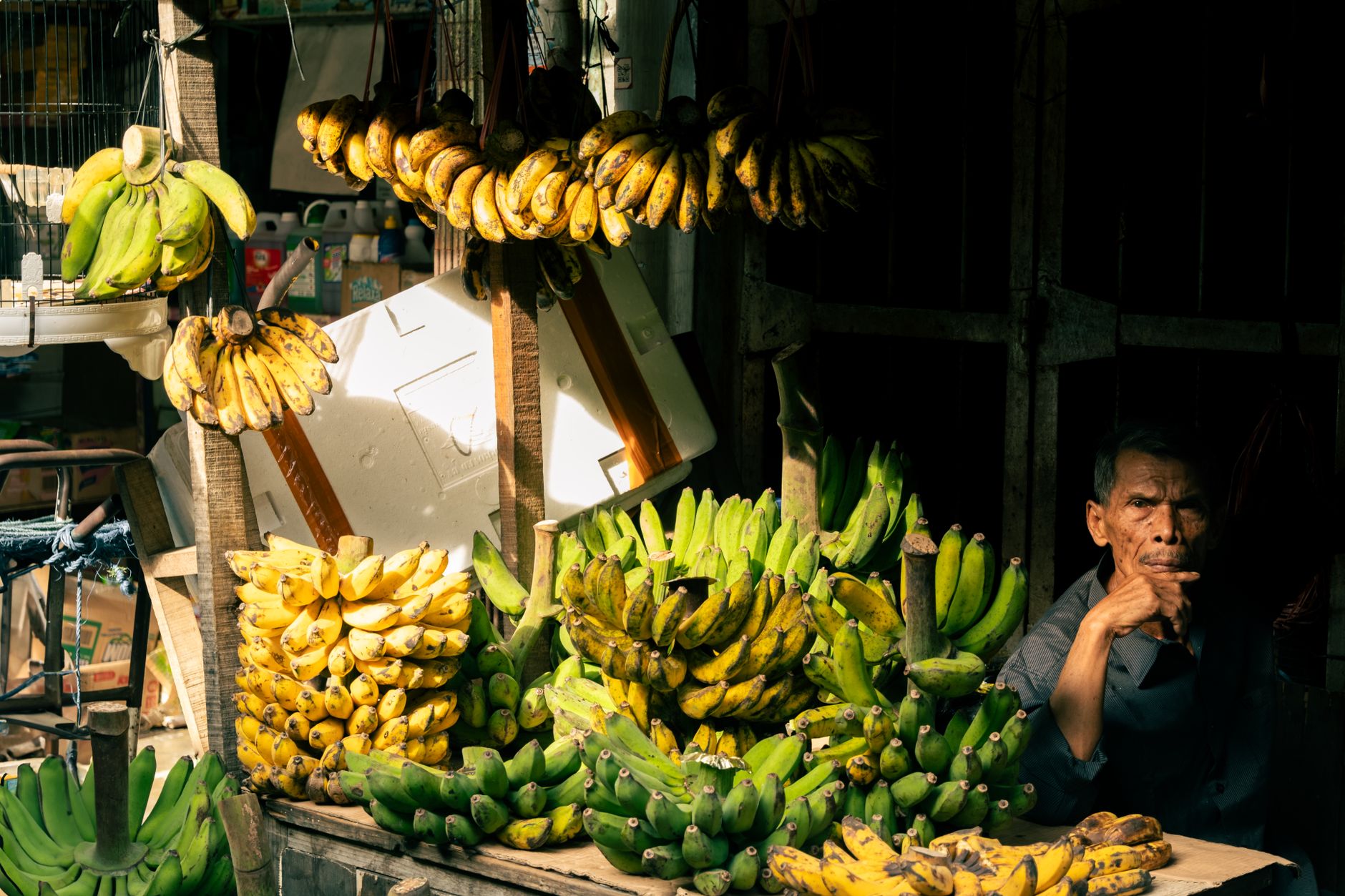
Photo by kevin christonar on Pexels
When you travel, the price tag on a plate can feel like a mystery wrapped in a menu written in an unfamiliar script. Yet, locals have a secret advantage: they know how to read between the lines, choose the right dishes, and even negotiate subtle discounts. By decoding local menus and ordering the way a native would, you can consistently shave roughly 15 % off your food bill without sacrificing authenticity. Below, we break down the psychology, the tactics, and real‑world examples that will let you dine like a resident and keep more cash for the next adventure.
Why Speaking the Menu Language Matters
Menus are cultural artifacts. In many countries, the most expensive items are highlighted with bold fonts, elaborate descriptions, or placement at the top of the page. Conversely, the everyday staples—often the best value—are listed in smaller type or tucked under a local name that tourists rarely recognize. Understanding these cues does three things:
- Identifies hidden value: Dishes that locals order daily are usually priced lower because they’re sourced locally and prepared in bulk.
- Avoids “tourist traps”: Restaurants that cater to foreigners often inflate prices on dishes that sound exotic but are rarely eaten by residents.
- Opens negotiation doors: In markets and family‑run eateries, knowing the local terminology signals respect and often earns a modest discount.
In short, the menu is a map to the price landscape. Treat it as a language you can learn, and the savings will follow.
Four Proven Strategies to Order Like a Local
Below are actionable tactics you can apply the moment you sit down. Each tip includes a quick example to illustrate the impact.
- Ask for the "daily special" or "house recommendation". In Spain, ordering the "plato del día" often includes a starter, main, and drink for a set price that is 10‑15 % cheaper than à la carte options. In Japan, the "shusai" (chef’s choice) at a sushi bar can be 20 % less than ordering individual nigiri.
- Learn the local term for "portion size" and request a "regular" or "small". In Brazil, "porção" indicates a shareable plate; asking for a "porção média" (medium) can cut the price by half compared to the "porção grande" (large) that tourists often assume is the standard.
- Order by ingredient, not by name. In Thailand, a dish called "Pad Thai" in tourist areas may include pricey shrimp. Asking for "Pad Thai with chicken" ("Pad Thai gai") swaps the expensive protein for a cheaper one, saving roughly 12 %.
- Use polite bargaining phrasing. In Morocco’s souks, saying "bslama, kam tkhllini?" ("please, how much can you give me?") before ordering a tagine often results in a 5‑10 % discount, especially if you pay in cash.
These strategies are low‑effort, high‑reward, and work across continents as long as you remember the underlying principle: align your order with what locals consider everyday fare.
Real-World Examples: Saving 15% in Different Destinations
Mexico City, Mexico – You sit at a bustling taquería. The menu lists "Taco al Pastor" at $3.00 and "Taco de Suadero" at $2.50. Locals, however, often order "Taco de Tripa" (tripe) for $1.80 because it’s abundant and cheap. By asking for "tacos de tripa" you save $1.20 per taco, a 40 % reduction, and you experience a beloved street food.
Lisbon, Portugal – A traditional restaurant offers "Bacalhau à Brás" for €12 and a "Prato do Dia" (daily plate) for €9, which includes cod, potatoes, and a glass of house wine. Choosing the daily plate not only gives you a balanced meal but also cuts the cost by 25 %.
Seoul, South Korea – At a Korean BBQ spot, the English menu lists "Premium Beef" at ₩35,000. The Korean menu lists "불고기" (bulgogi) at ₩28,000. Ordering "불고기" and asking for "소주 한 병" (one bottle of soju) instead of imported beer drops the total bill by roughly 15 % while delivering an authentic flavor.
These snapshots prove that the 15 % saving isn’t a myth; it’s the cumulative result of small, informed choices that add up across a trip.
FAQ – Your Quick Guide to Native Ordering
1. Do I need to speak the local language fluently to use these tips?
No. Learning a handful of key phrases—"daily special," "house recommendation," or the local word for "portion"—is enough. Even a polite attempt at the language signals respect and often prompts staff to offer better options.
2. Is it rude to ask for a cheaper version of a dish?
Not at all, as long as you ask respectfully. In many cultures, locals routinely customize orders. Phrase your request as a question (e.g., "Can I have the chicken instead of shrimp?") and you’ll be seen as an engaged diner, not a bargain hunter.
3. Will these strategies work in high‑end restaurants?
They’re most effective in casual eateries, street food stalls, and family‑run venues where menus are flexible. In fine‑dining establishments, the price structure is fixed, but you can still save by ordering the chef’s tasting menu or by sharing dishes, which often reduces the per‑person cost.
By internalizing the mindset of a local and applying the four strategies above, you’ll consistently unlock that coveted 15 % discount, enrich your culinary experience, and keep your travel budget healthier than ever.
Found this helpful? Share it with fellow travelers! ✈️
0 comments:
Post a Comment