



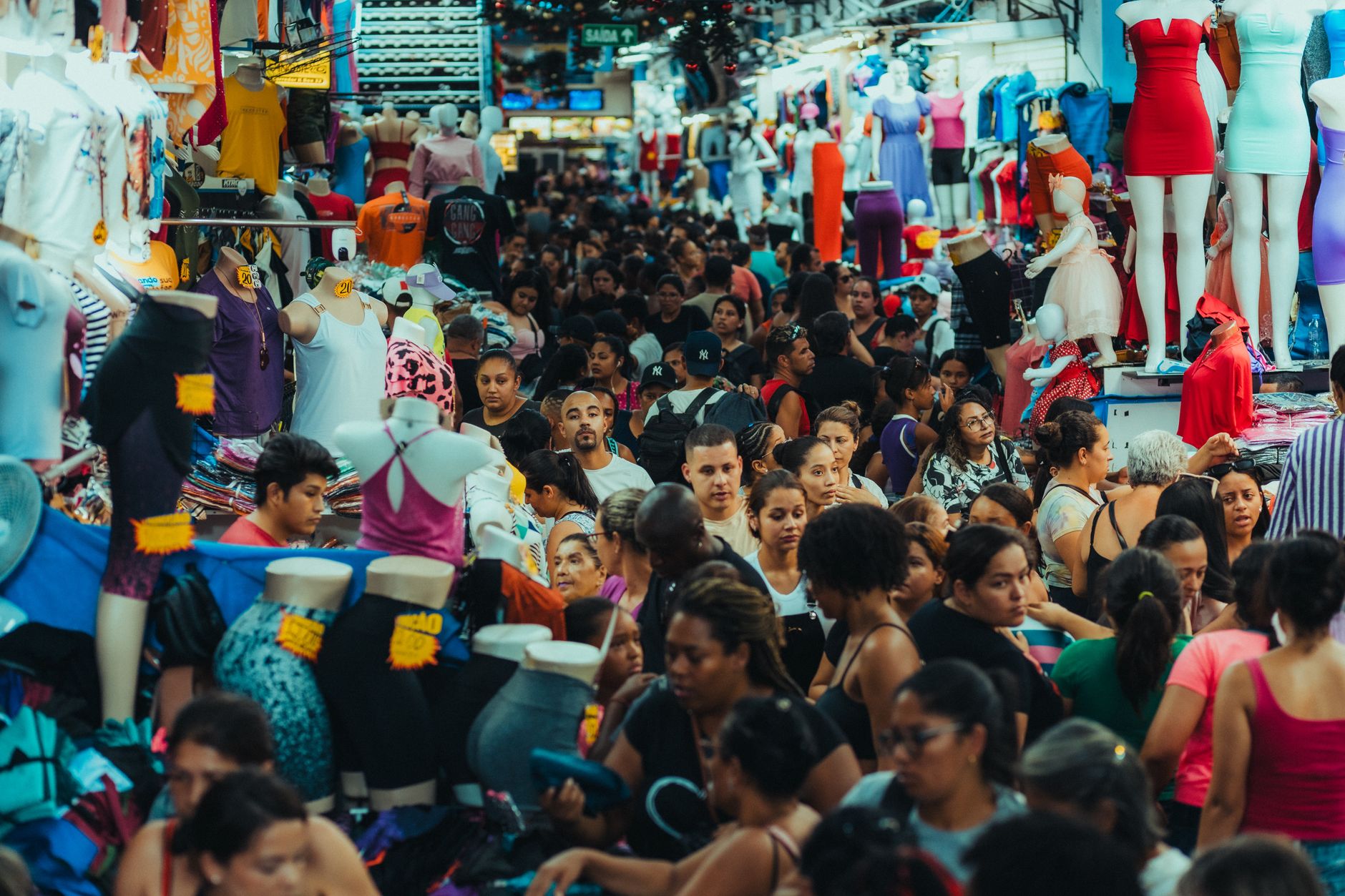
Photo by Th2city Santana on Pexels
Know the Hotspots Before You Arrive
Every city has its own magnet for petty thieves, and the first line of defense is knowledge. In Barcelona, the bustling La Rambla draws crowds, making it a prime pickpocketing zone, especially near street performers and souvenir stalls. Paris’s Metro, particularly lines 1 and 13 during rush hour, sees a steady stream of skilled “contact” thieves. Rome’s Vatican line and the area around the Spanish Steps are infamous for “bag‑snatching” incidents, while Istanbul’s Grand Bazaar, with its maze‑like alleys, offers countless opportunities for opportunistic lifts. Before you book your trip, research the top three trouble spots in each destination and map them out on your itinerary. A quick Google search for “pickpocketing hotspots” plus the city name will surface recent traveler reports and local police alerts.
Dress and Pack Like a Pro
The way you carry your belongings can either invite or deter a thief. Opt for anti‑theft backpacks with hidden zippers and slash‑proof material; they add a few extra euros but save you headaches. When navigating crowded streets, wear a cross‑body bag snug against your torso, with the strap under your arm and the opening facing inward. Avoid flashy jewelry or oversized watches that signal wealth. In practical terms, replace a bulky wallet with a slim RFID‑blocking card holder and keep cash in a zippered compartment of your pants rather than a back pocket. Real‑world example: a solo traveler in Prague switched from a traditional purse to a concealed waist pouch after a near‑miss on Charles Bridge, and reported zero incidents for the rest of the trip.
Master the Art of Situational Awareness
Pickpockets thrive on distraction. By staying alert, you remove their biggest advantage. Keep your phone out of sight while navigating busy stations; thieves often use the glow to lure you into a “photo‑taking” ploy. When you hear a sudden commotion—someone dropping a wallet, a street performer’s loud music—pause, assess, and tighten your grip on valuables. Use the “stop‑look‑listen” technique: stop moving, look around for suspicious behavior, and listen for whispers or sudden shouts that could signal a coordinated distraction. A concrete example: in New York’s Times Square, a group pretended to argue loudly near a tourist. The unsuspecting visitor, aware of the ruckus, stepped back and avoided a hand that slipped into his jacket.
When Trouble Strikes & FAQ
If you do become a victim, act quickly to minimize loss. First, cancel any compromised cards via your bank’s mobile app—most banks allow instant deactivation. Then, file a police report; many European cities provide an online form that can be completed in English. Keep a digital copy of your passport and a list of emergency contacts on a secure cloud service; this speeds up replacement processes. Finally, stay calm and assess your surroundings; sometimes thieves drop stolen items in the rush, and you can retrieve them if you act fast.
FAQ
Q: How can I tell if a bag is a decoy?
A: Decoy bags are often placed in plain sight and may look slightly worn or overly conspicuous. If a bag is left unattended near a café or on a bench, assume it could be bait. Keep your own bag close to you and avoid reaching for any unattended items.
Q: Are there any apps that help detect pickpocketing hotspots?
A: Yes, apps like “Sitata” and “TravelSafe” aggregate real‑time crime data from local authorities and traveler reports. They can send push notifications when you enter a high‑risk zone, allowing you to stay extra vigilant.
Q: What’s the best way to protect my passport while traveling?
A: Store your passport in a zippered, hidden pocket of a money belt worn under clothing. Keep a photocopy or a scanned image in a secure cloud folder as a backup. If you must carry the passport for identification, use a travel wallet that straps across your chest and covers the front of your torso.
By integrating these strategies—pre‑trip research, smart packing, heightened awareness, and rapid response—you’ll dramatically reduce the odds of becoming a pickpocket’s next target. Remember, the goal isn’t to live in fear but to travel confidently, knowing you’ve taken every reasonable step to protect yourself and your belongings.
Found this helpful? Share it with fellow travelers! ✈️
0 comments:
Post a Comment