



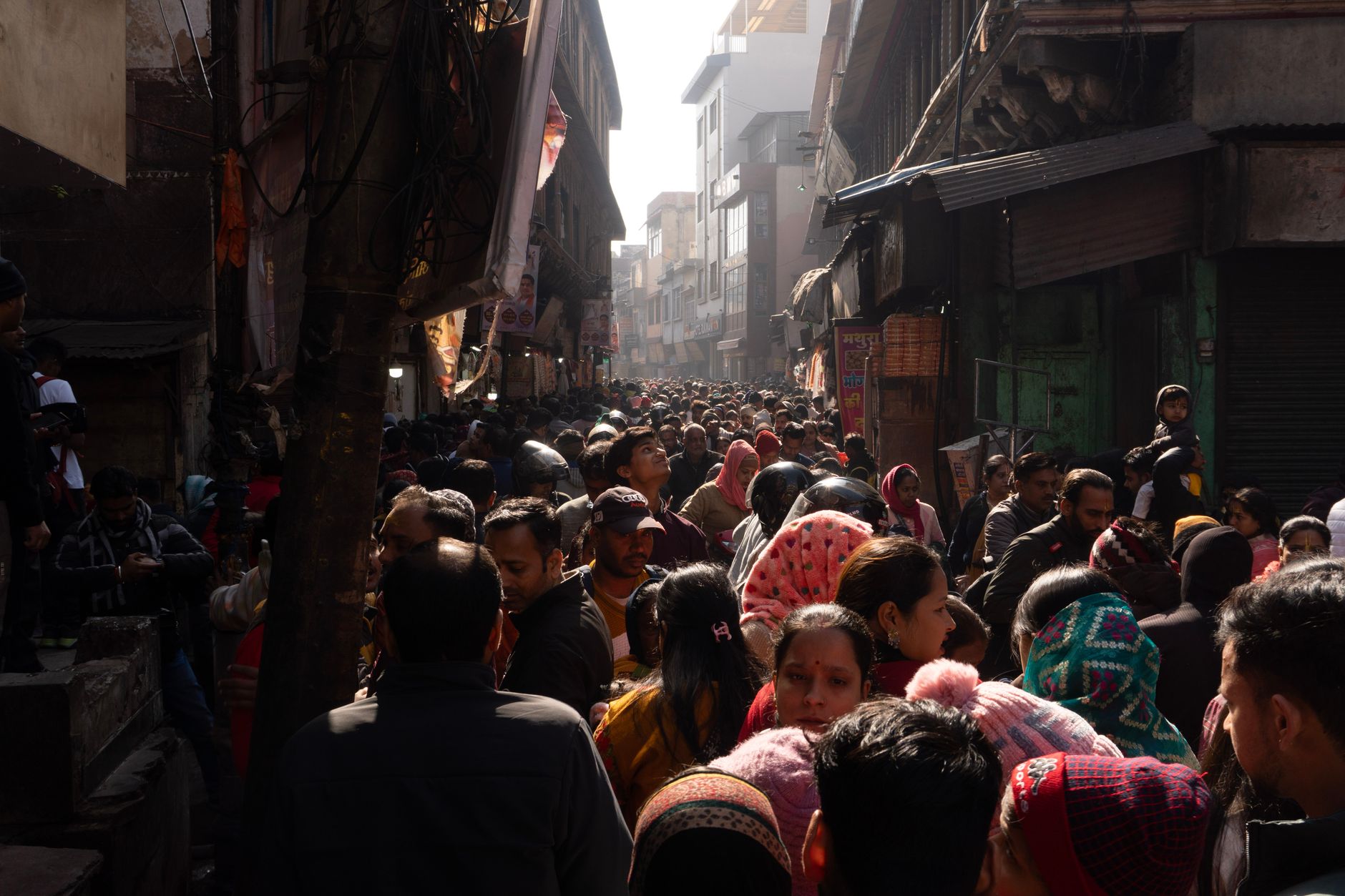
Photo by momentsbymanan on Pexels
Traveling the world is a thrill, but it also puts you in the crosshairs of petty thieves who thrive in bustling tourist hubs. Pickpocketing remains one of the most common crimes against visitors, and the good news is that a few simple habits can dramatically lower your risk. Below you’ll find four practical sections packed with real‑world examples, followed by a quick FAQ to seal the deal.
Know the Hotspots Before You Arrive
The first line of defense is knowledge. Cities like Barcelona, Rome, Paris, and Bangkok have well‑documented "pickpocket zones" where thieves operate like clockwork. For instance, on Barcelona’s La Rambla, pickpockets hide in the shadows of street performers, slipping into backpacks while you’re mesmerized by a living statue. In Rome, the area around the Spanish Steps sees a surge of thieves during the summer evenings when crowds gather for gelato.
Actionable tip: Before you book your trip, search for recent travel forums, local police bulletins, or even Instagram geotags that highlight recent incidents. Create a simple spreadsheet with the top three neighborhoods, the typical time of day when incidents peak, and a brief note on the common method used (e.g., "bag‑slashing" vs. "distraction with a fake petition"). Having this cheat‑sheet on your phone lets you steer clear or stay extra vigilant when you must pass through.
Dress and Pack Smart to Deter Thieves
What you wear and how you carry your belongings send subtle signals to opportunistic thieves. Bright, flashy accessories (designer bags, expensive watches) act like neon signs. In Prague’s Old Town, a tourist wearing a high‑end leather tote was approached by a “friendly” local offering a map—only to have the bag lifted in seconds.
Actionable tip: Opt for inconspicuous, zip‑up backpacks or anti‑theft crossbody bags with lockable zippers. Use a money belt hidden under your shirt for passports and cash. If you must carry a camera, keep it in a discreet pouch rather than swinging it around the neck. Additionally, wear clothing with pockets that close securely (e.g., zip or buttoned). A simple zip‑up hoodie can conceal a phone in the inner pocket, making it harder for a hand to slip in unnoticed.
Master the Art of Situational Awareness
Pickpockets rely on distraction. In crowded metro stations like Tokyo’s Shinjuku, a coordinated team may spill a bag of flour, prompting a gasp, while a teammate lifts wallets from the chaos. The key is to stay present in the moment.
Actionable tip: Adopt the "10‑second rule"—when you stop in a public space, scan the immediate area for suspicious behavior for at least ten seconds before pulling out your phone or wallet. Keep your bag in front of you, especially on public transport; a bag hanging on the back is an easy target. When navigating markets (e.g., Marrakech’s souks), keep your hand on your bag strap and avoid turning your back to stalls.
Another practical habit is to limit the number of cards you carry. Use a RFID‑blocking sleeve for your primary credit card and keep a backup card in a separate location. If a thief tries to distract you with a fake charity appeal, politely decline and step away—don’t engage.
What to Do If You’re Targeted
Even the most cautious traveler can fall victim. The crucial step is to act quickly to minimize loss and increase the chance of recovery.
Actionable tip: Immediately cancel any compromised cards via your bank’s mobile app. Most banks allow instant deactivation, preventing further unauthorized charges. For passports, contact your nearest embassy or consulate—many offer emergency travel documents within a few hours.
Report the incident to local police and obtain a copy of the report; you’ll need it for insurance claims. If you’re in a city with a tourist police unit (e.g., Barcelona’s “Policia Local”), they often speak English and can guide you through the process.
Finally, keep a digital backup of important documents (passport, insurance, emergency contacts) stored securely in a cloud service. If the physical copy is stolen, you’ll have the information at your fingertips to expedite replacement.
FAQ
Q1: Are anti‑theft backpacks really worth the extra cost?
A: Yes. Anti‑theft bags feature lockable zippers, cut‑resistant materials, and hidden compartments that make it significantly harder for a pickpocket to access your belongings in a crowd. The investment pays off in peace of mind, especially on multi‑day trips where you carry valuables daily.
Q2: How can I protect my phone without a bulky case?
A: Use a slim, adhesive phone wallet that sticks to the back of your phone, covering the camera and screen. Pair it with a privacy screen protector to deter shoulder‑surfing. When not in use, keep the phone in a front pocket or a zippered pouch rather than a back pocket.
Q3: What’s the best way to handle a pickpocket who tries to blend in?
A: Stay calm and assess the situation. If you notice your bag feels lighter, discreetly move to a well‑lit area and check your items. Confrontation is rarely advisable; instead, alert nearby security or police and provide a description of the suspect. Having a photo taken (if safe) can aid later investigations.
Found this helpful? Share it with fellow travelers! ✈️
0 comments:
Post a Comment