



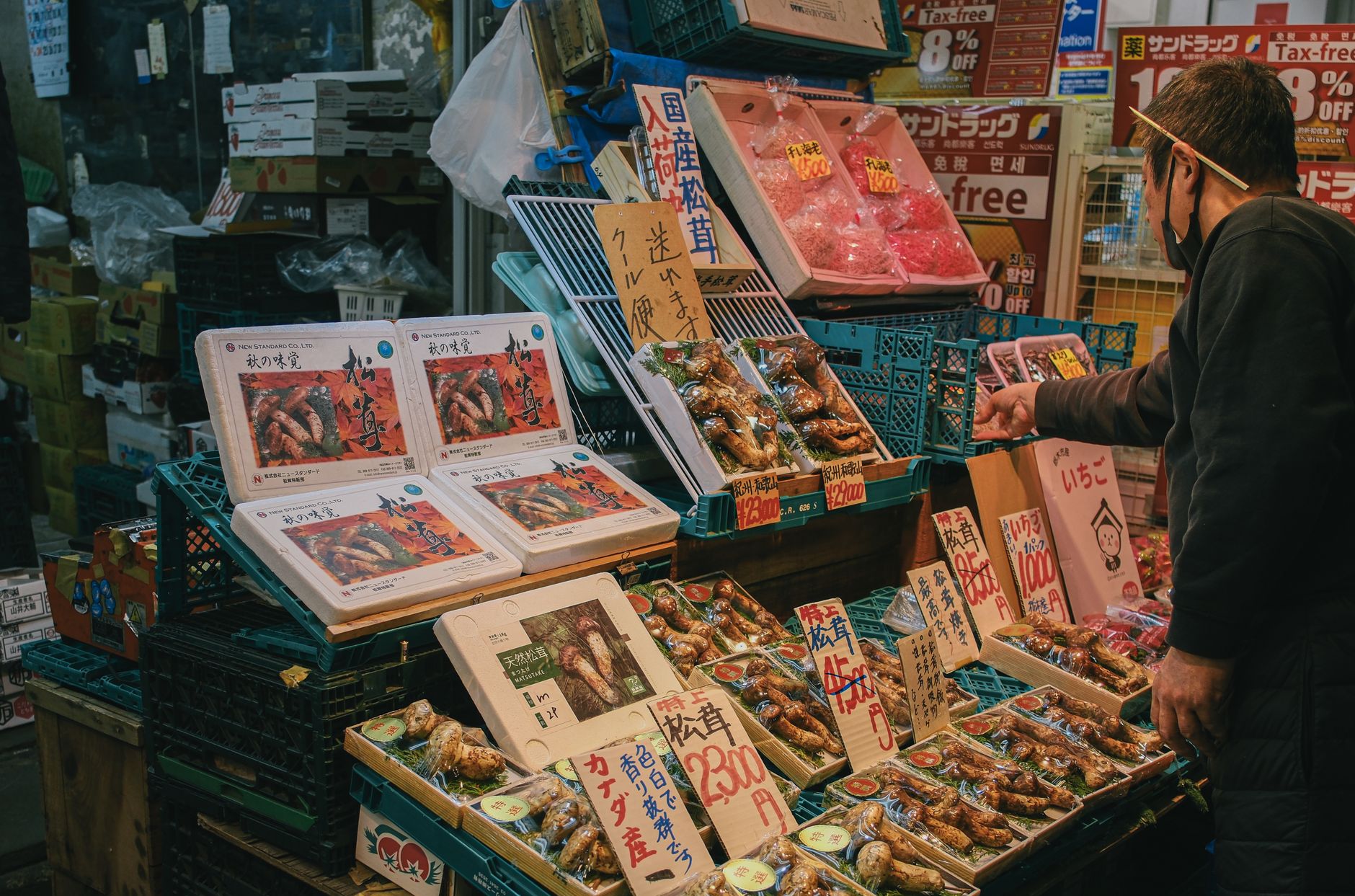
Travel is as much about the palate as it is about the sights. When you eat local, you unlock stories hidden in spices, cooking techniques, and the way a dish is ordered. This guide shows you how to order like a native, avoid tourist traps, and walk away with unforgettable meals.
Why Eating Like a Local Matters
Locals don’t just eat; they celebrate tradition. By ordering the same dish a resident would, you get:
- Authentic flavors – dishes prepared for everyday consumption, not staged for tourists.
- Better value – local menus often price items lower than the “tourist menu.”
- Cultural insight – you’ll hear the stories behind ingredients and learn regional etiquette.
Take Osaka’s takoyaki stalls. A tourist might ask for “the special takoyaki,” but a resident simply says, “takoyaki o kudasai,” and the vendor will serve the classic version that’s been perfected over generations.
Master the Menu: Decoding Local Language
The biggest hurdle is language. You don’t need fluency, just a few key phrases and a strategy for navigating unfamiliar menus.
- Identify the core word for the dish. In Thai, “pad” means stir‑fry; in Spanish, “tapa” signals small plates.
- Learn the modifier for spice or size. For example, “muy picante” (very spicy) in Mexican eateries.
- Use translation apps wisely. Snap a photo, translate the first three items, then ask the server to repeat the top recommendation.
Real‑world example: In a small town in Portugal, the menu listed “bacalhau à Brás.” Knowing that “bacalhau” is cod and “à Brás” is a specific preparation let me confidently order the dish without asking the waiter to explain.
Order Like a Native: Proven Strategies
Now that you’ve cracked the language, apply these actionable tactics.
- Ask for the "house" or "daily" special. Locals trust the chef’s choice. In Seoul, saying “jeongmal joheun menu juseyo” (please give me the best menu) earned me a kimchi‑jigae that wasn’t on the printed list.
- Use local slang for portion size. In Buenos Aires, ordering a “porción” (portion) instead of a “plato” (plate) signals you want the typical serving size.
- Observe and mimic. Scan what locals are ordering. In Marrakech’s souks, a quick glance at a table revealed that everyone was ordering “couscous aux sept légumes.” I followed suit and got a hearty, vegetable‑rich meal.
- Be bold with “just like you.” Phrasing like “como lo hacen ustedes” in Mexico (just like you do) often results in the chef preparing the dish exactly as locals enjoy it.
These tips work across continents because they respect the rhythm of everyday dining. They also show the staff that you value the culture, which often leads to extra generosity – a complimentary side, a secret spice, or a story about the recipe.
FAQ: Your Local Dining Dilemmas
Q1: What if I can’t pronounce anything?
A: No need to be perfect. A friendly smile, a few key words, and a gesture go a long way. Pointing at a picture, saying “esto” (this), and adding “por favor” (please) is universally understood.
Q2: How do I avoid dishes that are too tourist‑oriented?
A: Look for items without English translations, ask the server “What do locals usually order?” and steer clear of menu sections labeled “Special for Tourists.”
Q3: Should I tip differently when I order like a native?
A: Tip according to local customs, not based on how “authentic” your order was. In Japan, tipping is rare; in the U.S., 15‑20 % is standard. Respect the cultural norm.
By embracing these practices, you’ll turn every meal into a cultural lesson and a memorable adventure. So next time you sit down at a foreign table, order like a native and savor the true spirit of the place.
Found this helpful? Share it with fellow travelers! ✈️
0 comments:
Post a Comment