



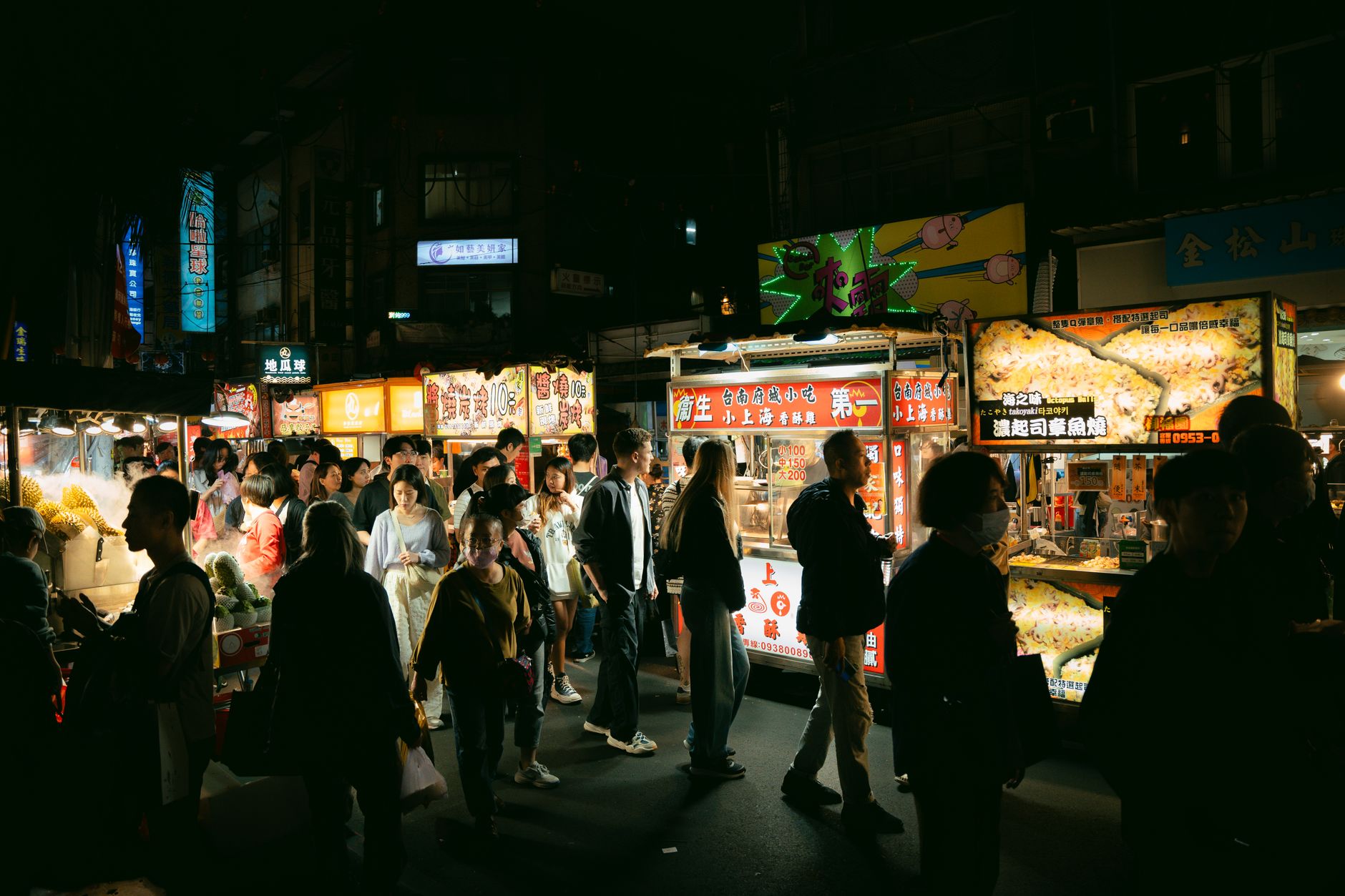
Photo by Kenneth Surillo on Pexels
Why Street Food Reveals True Flavors
When you step off the polished tourist trail and onto a city’s bustling eat street, you’re entering the culinary heart of the community. Street vendors are often family‑run operations that have perfected recipes over generations. Unlike restaurant menus that cater to global palates, these stalls serve dishes exactly as locals have enjoyed them for decades. The result? unfiltered, bold flavors that tell the story of a place’s history, climate, and culture.
Take Bangkok’s soi stalls, for example. A bowl of boat noodles there isn’t just broth and noodles; it’s a balance of tamarind, star anise, and a splash of fresh lime that mirrors the city’s river trade heritage. In Oaxaca, Mexico, the smoky aroma of tlayudas cooked on a comal outside a market captures the region’s corn‑centric traditions. These dishes are not curated for tourists – they’re lived experiences.
How to Scout Authentic Stalls
Finding genuine street food isn’t a matter of luck; it’s a skill you can develop with a few practical steps:
- Follow the locals. Look for crowds that aren’t composed of tour groups. In Lisbon, the tiny tascas near Mercado da Ribeira are packed with residents during lunch.
- Observe turnover. A stall that sells out its dishes every hour is a strong indicator of freshness and popularity. In Seoul’s Gwangjang Market, the mayak kimbap stall sells out within minutes.
- Check hygiene signs. Many cities now require vendors to display health certificates. While a certificate isn’t a guarantee, it shows a baseline compliance.
- Ask for recommendations. A quick “What’s your favorite dish today?” can lead you to hidden gems. In Marrakech’s Jemaa el‑Fna, a vendor might suggest harira soup made with fresh herbs from his garden.
Real‑world example: While traveling through Hanoi, I followed a group of students to a narrow alley behind Hoan Kiem Lake. The stall they frequented served bún chả with charcoal‑grilled pork, a dish the students claimed was the best in the city. The line was long, the aromas intoxicating, and the price was half of what touristy restaurants charged.
Must‑Try Dishes by Region
Below is a quick reference of iconic street foods that epitomize authentic local cuisine. Each entry includes a brief description and a tip for locating the best version.
- Tokyo, Japan – takoyaki (octopus balls). Head to the Shinsekai district; the stall with a neon “30‑second” timer is renowned for a crisp exterior and creamy interior.
- Mexico City, Mexico – elote (grilled corn). Find it at the corner of Mercado de San Juan where the vendor rolls the corn in a secret mayo‑chili sauce.
- Istanbul, Turkey – midye dolma (stuffed mussels). The waterfront promenade of Karaköy hosts a family‑run stall that has been serving the same recipe since the 1970s.
- Cape Town, South Africa – bunny chow (hollowed bread filled with curry). The Bo-Kaap market’s “Mama’s Curry” stall is famed for its fiery chicken version.
- Hanoi, Vietnam – bún chả (grilled pork with noodles). Look for the modest cart near Hoan Kiem Lake that serves the pork with a tangy fish‑sauce dip.
These dishes are more than meals; they’re cultural touchstones. When you bite into them, you’re tasting the collective memory of a neighborhood.
FAQ: Your Street Food Questions Answered
Q1: How can I stay safe eating street food without missing out on authenticity?
A: Choose stalls with high turnover, observe the cooking process, and trust your senses. Freshly cooked food that’s still steaming is usually safe. Carry hand sanitizer and consider a probiotic supplement if you have a sensitive stomach.
Q2: What if I don’t speak the local language? How do I order?
A: Learn a few key phrases like “How much?” and “I’m allergic to …”. Pointing at a picture on a menu or using a translation app also works. Vendors appreciate the effort and often respond with a smile and a sample.
Q3: Are there any universal signs of a trustworthy street vendor?
A: Yes. Look for a clean workspace, a covered food prep area, and a steady flow of local customers. Vendors who use fresh ingredients (e.g., whole fish, whole vegetables) and avoid pre‑packaged items are generally more reliable.
By applying these strategies, you’ll turn every street corner into a culinary adventure, discovering authentic local cuisine that you’ll remember long after the trip ends.
Found this helpful? Share it with fellow travelers! ✈️
0 comments:
Post a Comment