



Photo by Bingqian Li on Pexels
Navigating Food Allergies Abroad: 5 Local Cuisine Hacks
Traveling the world is a feast for the senses, but for anyone with food allergies, the excitement can be shadowed by anxiety. A misplaced ingredient or an unspoken assumption about “safe” dishes can turn a dream vacation into a medical emergency. The good news? With a few smart strategies, you can savor authentic flavors without compromising your health. Below are five proven hacks, each illustrated with real‑world examples, that empower you to explore local cuisine confidently.
1. Master the Local Allergy Vocabulary
Every language has its own way of describing common allergens. Knowing the right words—and the ones to avoid—can be a lifesaver. Here are three essential steps:
- Learn the key terms. For peanuts, learn cacahuètes (French), maní (Spanish), arachidi (Italian). For gluten, memorize gluten (most languages) and farine de blé (French wheat flour).
- Carry a translation card. Print a small card that reads, “I have a severe allergy to [allergen]. Can you guarantee this dish contains none?” Include the allergen’s name in the local language and a simple “No, thank you.”
- Practice a short dialogue. Rehearse a sentence like, “I’m allergic to shellfish. Does this contain any shrimp, crab, or mussels?” Even a few seconds of confidence can shift a server’s attitude from indifferent to attentive.
Real example: In Bangkok, a traveler with a shrimp allergy used a Thai card that said, “ผมแพ้กุ้ง (phǒm phɛ̂ɛ gûng) – no shrimp, please.” The street vendor nodded, swapped the shrimp for tofu, and the dish turned out to be a delicious, safe alternative.
2. Choose Restaurants with Allergy Policies
Not all eateries are created equal when it comes to allergen awareness. Here’s how to spot the safest spots:
- Look for certifications. In Europe, the “Allergy Friendly” symbol appears on menus of restaurants that have undergone staff training. In Japan, many chain restaurants display a “アレルギー対応” (allergy‑friendly) badge.
- Read online reviews. Platforms like TripAdvisor and Google often have filters for “allergy‑friendly.” A quick search for “celiac safe” or “nut‑free” plus the city name can reveal hidden gems.
- Ask the chef directly. In many Asian markets, the chef prepares dishes on the spot. Politely request to speak with them and explain your allergy; chefs often appreciate the chance to showcase a customized version of their signature dish.
Real example: While visiting Lisbon, a traveler with a dairy allergy found a small family‑run tasca that proudly displayed a “Sem Lactose” sign. The owner prepared a traditional bacalhau à Brás using olive oil instead of butter, and the meal was both authentic and safe.
3. Use Simple Substitutions That Preserve Authenticity
When a dish contains a problematic ingredient, a thoughtful swap can keep the flavor profile intact. Consider these common substitutions:
- Peanut‑free sauces. In Thai cuisine, replace peanut sauce with a coconut‑lime dressing (coconut milk, lime juice, fish sauce, and a touch of sugar).
- Gluten‑free grains. Swap wheat‑based noodles for rice noodles in Vietnamese pho or Malaysian laksa. Both absorb broth beautifully and retain the dish’s soul.
- Dairy alternatives. In Indian curries, ask for coconut cream instead of cream or ghee. Most restaurants will accommodate this request without compromising richness.
Real example: A traveler with a wheat allergy in Seoul ordered bibimbap but requested “no gochujang” (which contains wheat). The chef substituted a gochugaru‑based sauce, preserving the dish’s spicy kick while keeping it safe.
FAQ
What should I do if I accidentally eat something with my allergen?
Stay calm and assess symptoms. If you carry an epinephrine auto‑injector, use it immediately. Notify locals or staff about your reaction so they can assist. Afterward, seek medical care—most cities have English‑speaking clinics that understand allergy emergencies.
Is it safe to eat street food with allergies?
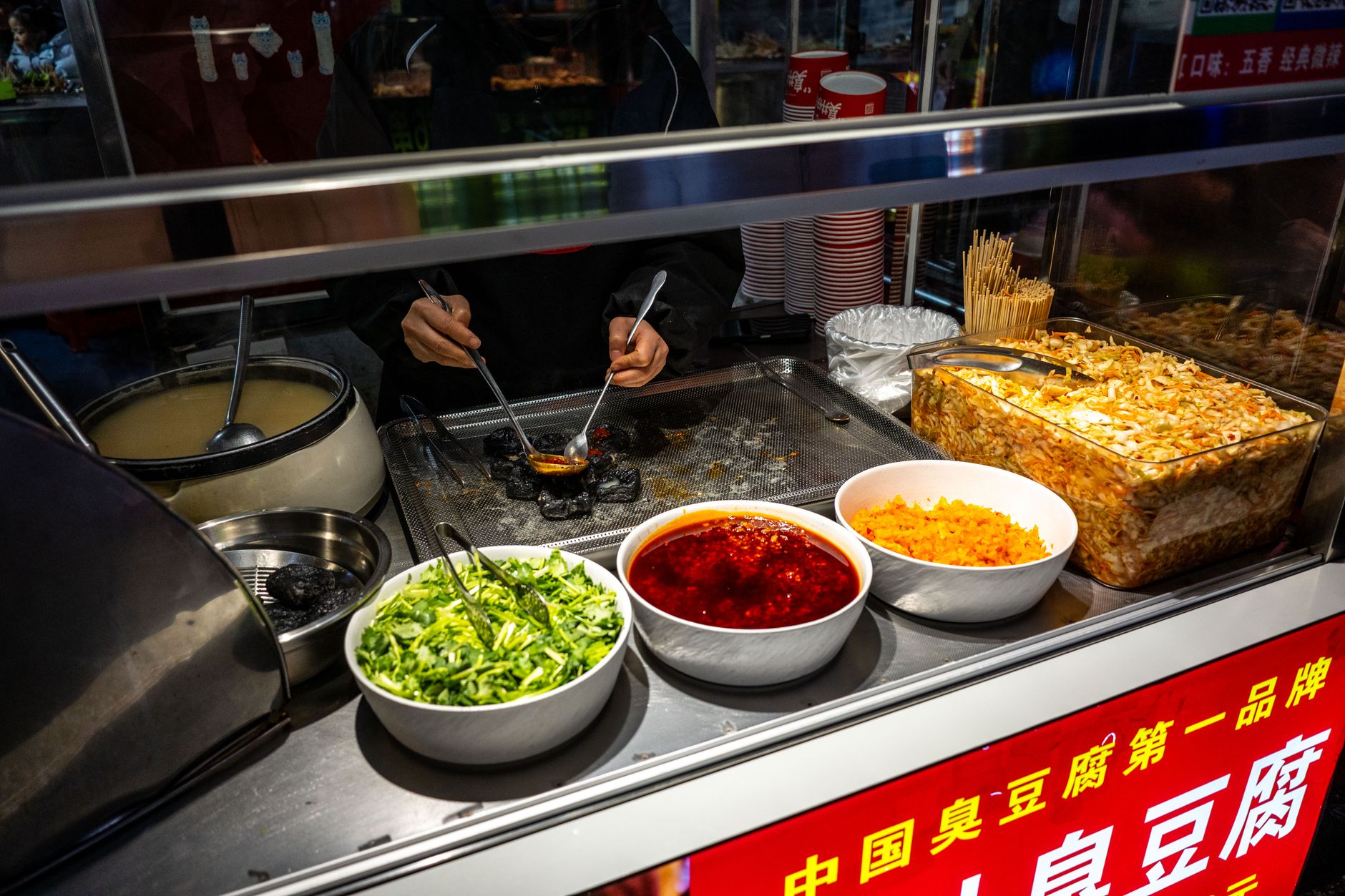
Street food can be safe if you follow the language and translation‑card hacks. Choose stalls that cook food in front of you, allowing you to watch for cross‑contamination. When in doubt, opt for simple, single‑ingredient items like grilled corn (ensure no butter) or fruit cups.
Can I rely on food labels when traveling?
Labels are helpful in many countries, but standards vary. In the EU, allergens must be highlighted in bold, while in the U.S. they’re listed at the bottom. In regions with less regulation (e.g., many African markets), treat labels as a guide, not a guarantee—always double‑check with the vendor.
By mastering the local allergy language, choosing aware establishments, and employing smart substitutions, you can turn a potential obstacle into an adventure. Remember: preparation is the passport to flavor‑filled, allergy‑free travel.
Found this helpful? Share it with fellow travelers! ✈️
0 comments:
Post a Comment