



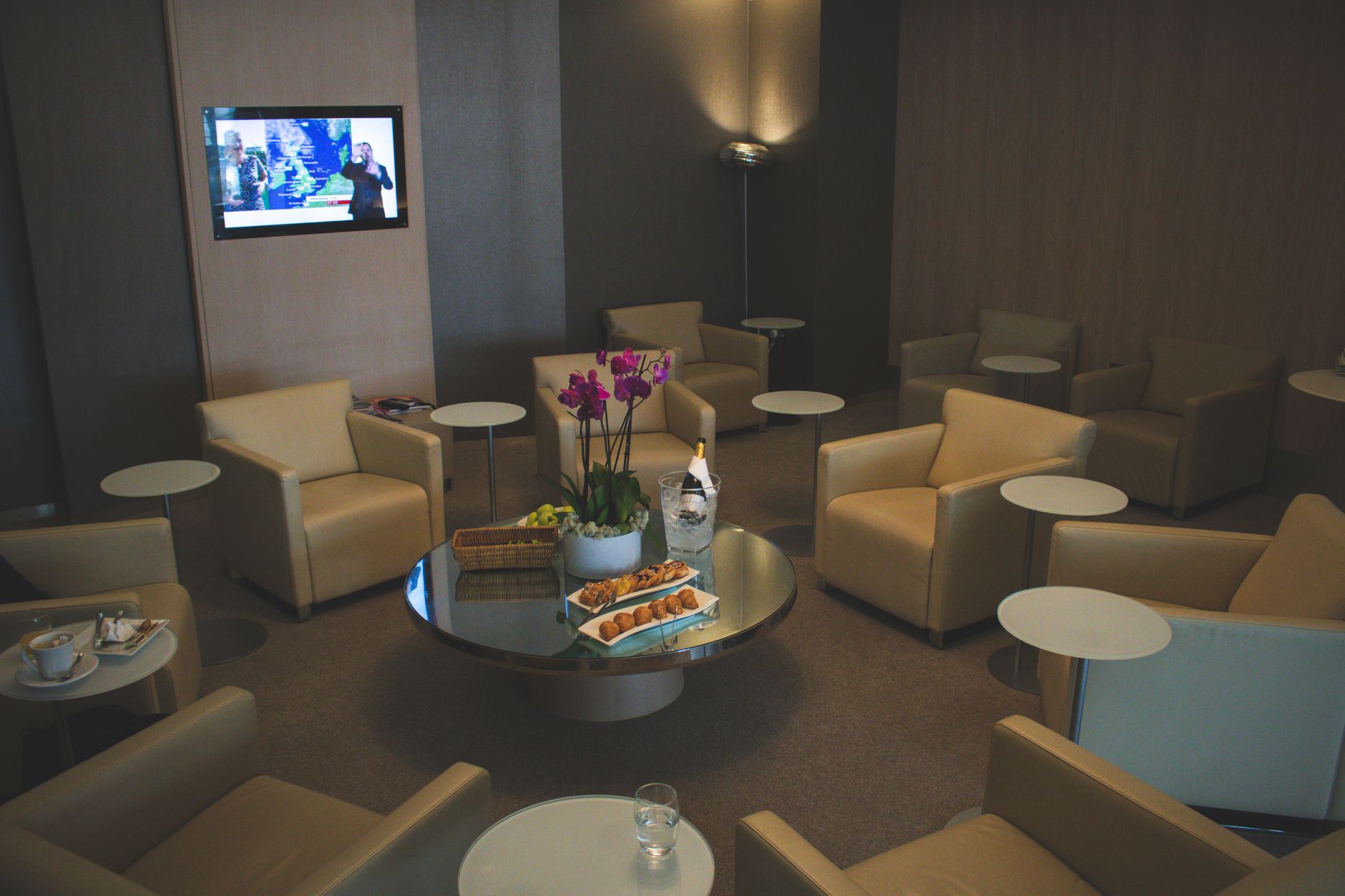
Photo by Connor Danylenko on Pexels
Why a Buffer Day Kit Is a Game‑Changer
Travel delays are inevitable—weather, mechanical issues, or a sudden schedule change can turn a smooth itinerary into a marathon of waiting rooms. A Buffer Day kit is a compact, purpose‑built collection of items that lets you treat an unexpected extra day as a comfortable, productive pause rather than a crisis. Instead of scrambling for a hotel, borrowing chargers, or eating fast‑food for dinner, you have everything you need to stay refreshed, entertained, and ready to move when the next flight finally departs.
Think of the kit as a portable “stay‑cation” for the road. It saves money, reduces stress, and—most importantly—keeps you feeling in control when the clock ticks against you.
Core Components: The Essentials You Can’t Skip
Below is a checklist of items that fit into a standard carry‑on (or a small personal item) and cover the three pillars of any delay: comfort, connectivity, and contingency.
- Comfort Pack: A lightweight, compressible travel pillow, a pair of moisture‑wicking socks, and a compact eye mask. Example: I keep a Travelrest pillow that folds flat and a set of Smartwool socks in my kit; they turned a 12‑hour layover into a surprisingly restful nap.
- Connectivity Kit: A universal travel adapter with USB‑C ports, a portable 10,000 mAh power bank, and a set of noise‑cancelling earbuds. I once used a Anker PowerCore to charge my laptop and phone simultaneously while waiting for a re‑booked flight at a bustling airport terminal.
- Food & Hydration: A reusable stainless‑steel water bottle, a few protein‑packed snack bars, and a small sachet of instant oatmeal. During a 24‑hour delay in Denver, the oatmeal saved me from overpriced airport coffee and kept me full until dinner.
- Health & Hygiene: Travel‑size hand sanitizer, antibacterial wipes, a mini first‑aid kit (band‑aids, pain reliever, antihistamine), and a travel toothbrush with a paste tablet. A quick wipe‑down of my seat and tray table gave me peace of mind during a flu season surge.
- Entertainment & Productivity: A Kindle loaded with e‑books, a compact sketchbook, and a foldable Bluetooth keyboard. While waiting for a delayed train in Zurich, I finished a short story on my Kindle and drafted a blog post using the keyboard.
Smart Packing Strategies: Maximize Space & Minimize Weight
Even the most thoughtfully curated kit can become a burden if it’s packed inefficiently. Use these proven techniques to keep the kit lightweight and easy to access.
- Roll, Don’t Fold: Rolling clothes and soft items (like the travel pillow cover) reduces bulk and prevents creases. I roll my socks and the eye mask together, creating a tiny “sock‑pillow” bundle that slides into a side pocket.
- Utilize Packing Cubes: A single, zip‑pered cube (about 10 × 7 × 4 in) keeps all kit items together. When the flight was delayed in Manila, I simply pulled the cube out of my bag and set it on the tray table—no rummaging required.
- Multi‑Purpose Items: Choose gear that serves more than one function. My travel pillow doubles as a lumbar support cushion, and the reusable water bottle doubles as a mini weight for a quick desk‑exercise routine.
- Weight Distribution: Place heavier items (power bank, adapter) near the bottom of the bag to keep the center of gravity low. This prevents the bag from tipping over when you set it on a narrow airport seat.
- Digital Backups: Scan important documents (passport, insurance, itinerary) onto a secure cloud folder and store a QR‑code printout in the kit. During a customs hold in Bangkok, I was able to email a digital copy of my travel insurance within minutes.
Putting the Kit to Work: Real‑World Scenarios
Having a Buffer Day kit is only useful if you know when and how to deploy it. Here are three common delay scenarios and the exact actions you can take.
- Long Layover with No Hotel Availability: Unfold the eye mask, inflate the pillow, and settle into an empty gate area. Use the power bank to charge devices, then dive into your Kindle for a few chapters. A quick stretch with the water bottle as a weight keeps circulation moving.
- Flight Cancellation Overnight: Set up a mini “sleep station” in the airport lounge using the travel pillow, socks, and eye mask. Brew instant oatmeal with hot water from a nearby café, and stay hydrated with the water bottle. Use the noise‑cancelling earbuds to listen to calming playlists, reducing anxiety.
- Unexpected Weather Delay: If you’re stuck at a terminal for hours, pull out the sketchbook and spend time drawing the surroundings. This not only passes time but also helps you stay present, reducing the stress of uncertainty.
FAQ
Q: How big should my Buffer Day kit be?
A: Aim for a kit that fits within a standard carry‑on (max 22 × 14 × 9 in) or a personal item (like a backpack). The goal is to keep it lightweight—ideally under 5 lb—so you can store it under the seat or in the overhead bin without hassle.
Q: Can I use the same kit for both domestic and international trips?
A: Absolutely. Focus on universal items (adapter, power bank, comfort accessories). For international travel, add a compact travel‑size universal adapter and a few local‑currency notes if you anticipate a delay in a country with limited card acceptance.
Q: What’s the best way to keep my kit organized while on the move?
A: Use a dedicated packing cube or zip‑pered pouch labeled “Buffer Day.” This keeps everything in one place and makes it easy to grab the entire kit quickly when a delay is announced.
With a well‑packed Buffer Day kit, you transform the dreaded “extra day” into a manageable, even enjoyable, part of your journey. Pack smart, stay prepared, and let the adventure continue—no matter what the schedule throws at you.
Found this helpful? Share it with fellow travelers! ✈️
0 comments:
Post a Comment