



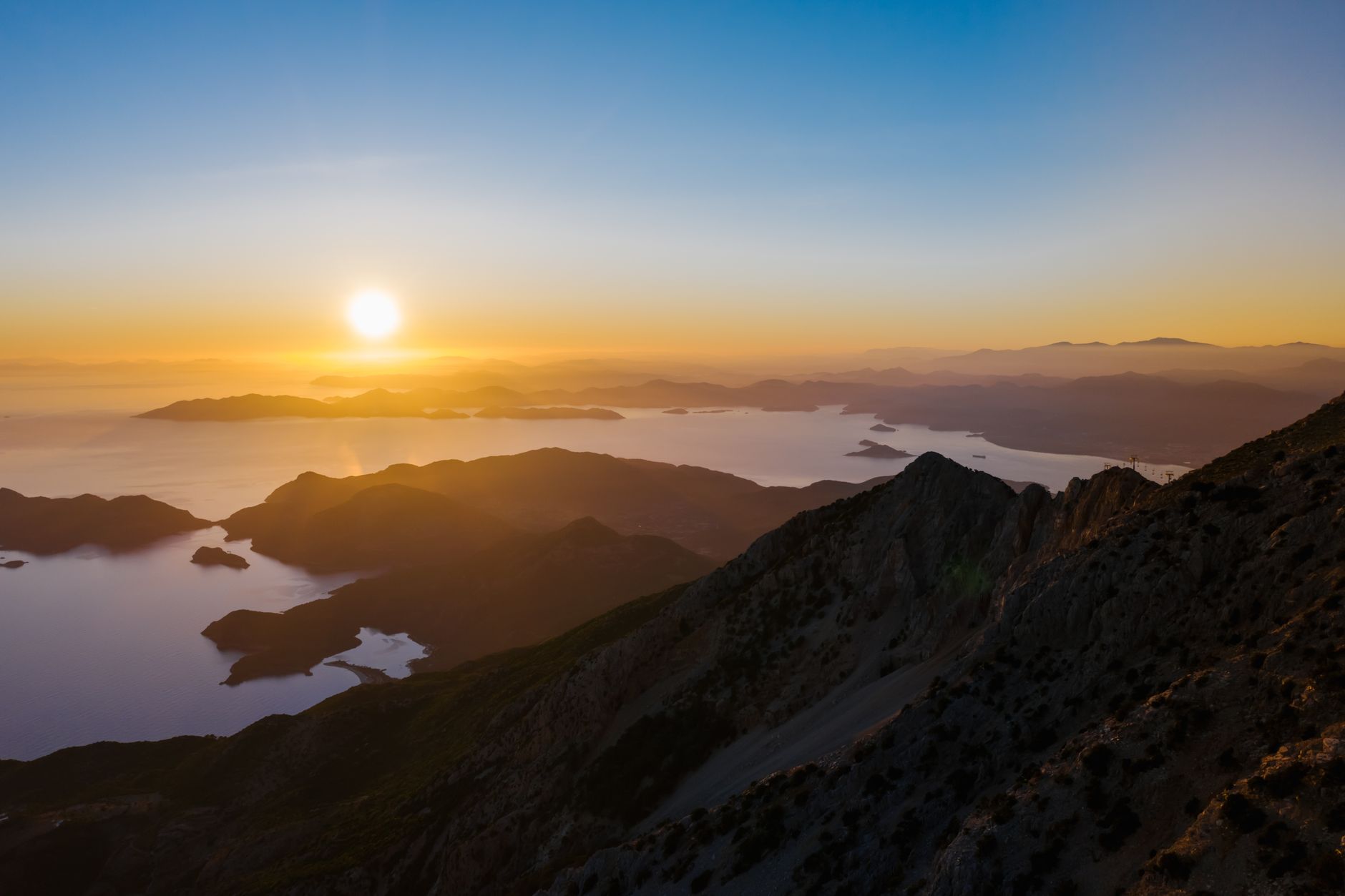
Photo by Mikhail Nilov on Pexels
Why Solo Travel Fears Are Common
Even the most seasoned wanderers feel a flutter of anxiety before stepping onto a train alone, and that reaction is perfectly normal. The fear often stems from three sources: safety concerns, social isolation, and the pressure of making every moment count. According to a 2023 survey by the Adventure Travel Trade Association, 68% of first‑time solo travelers cite “fear of the unknown” as their biggest hurdle. Recognising that these worries are shared, not personal flaws, is the first step toward reframing them.
When you label the feeling as "fear" rather than "excitement in disguise," you give it power over your decisions. Reframing is a mental technique that swaps the narrative—turning "What if I get lost?" into "What hidden streets will I discover?" This shift doesn’t erase risk, but it reframes risk as an opportunity for growth.
Reframing the Narrative: Mindset Shifts
Below are three mindset adjustments that have helped travelers turn dread into drive:
- From Vulnerability to Strength: Instead of viewing solitude as exposure, see it as a chance to sharpen problem‑solving skills. When Maya, a 28‑year‑old graphic designer, booked a solo trek through Patagonia, she wrote in her journal, "I’m not alone; I’m equipped with curiosity and a map." That simple affirmation turned a potential panic trigger into a confidence booster.
- From "What If" to "What Next": Replace speculative worries with actionable next steps. If the thought "What if I miss my train?" surfaces, ask "What’s the backup plan?" Planning a secondary route or noting the station’s timetable gives the brain concrete data, reducing anxiety.
- From Comparison to Celebration: Social media can amplify fear by showcasing flawless solo adventures. Counteract this by celebrating small wins—like navigating a foreign metro system or striking up a conversation with a local vendor. Each win rewires the brain to associate solo travel with achievement.
Actionable Strategies for Confident Solo Adventures
Mindset work is powerful, but pairing it with practical tactics creates a sturdy safety net. Below are five strategies, each illustrated with a real‑world example.
- Research Micro‑Itineraries: Instead of a vague "I’ll explore Tokyo," draft a day‑by‑day micro‑itinerary that includes landmarks, cafés, and restroom locations. Example: Alex, a 35‑year‑old software engineer, listed three neighborhoods for his first solo trip to Seoul. By the time he arrived, he knew exactly where to buy a SIM card, where to grab lunch, and which subway line to take to his hostel.
- Leverage Technology Wisely: Use offline maps (Maps.me), translation apps (Google Translate with offline packs), and safety check‑ins (Sitata or Trusted Contacts). Example: Priya set a recurring 30‑minute check‑in on her phone while hiking the Inca Trail. The app sent her location to a trusted friend, giving both peace of mind.
- Join Local Meet‑Ups or Classes: A short cooking class or language exchange can transform a stranger‑filled day into a community experience. Example: During a solo week in Lisbon, Marco signed up for a pastel de nata baking workshop. He walked away with new friends and a recipe he still uses.
- Carry a “Confidence Kit”: Pack items that soothe anxiety: a favorite tea bag, a small notebook, and a photo of loved ones. Example: Hannah kept a tiny sketchbook in her backpack while solo traveling across New Zealand. Sketching a sunrise at Lake Tekapo gave her a calming ritual during long bus rides.
- Practice Mini‑Challenges Before the Trip: Test your comfort zone locally—take a solo coffee at a bustling café or navigate a new part of your city. Example: Before his solo trip to Morocco, Luis spent a weekend exploring a nearby town without a guide, noting how easy it felt to ask for directions.
When you combine these tactics with the mindset shifts above, fear becomes a signal to prepare—not a roadblock.
FAQ
Q1: How do I stay safe while traveling alone?
A: Safety is a blend of preparation and intuition. Register with your embassy, keep digital copies of documents, use reputable transport options, and trust your gut. Small habits—like walking on well‑lit streets and avoiding headphones in unfamiliar neighborhoods—dramatically lower risk.
Q2: What if I feel lonely on a solo trip?
A: Loneliness is normal, but it can be mitigated. Join group tours for a day, stay in social hostels, or use apps like Meetup to find local events. Remember, moments of solitude are also opportunities for self‑reflection and personal growth.
Q3: Do I need a travel companion for certain destinations?
A: Some regions (e.g., remote parts of the Himalayas) benefit from a guide or travel buddy for logistical reasons. However, many solo travelers thrive in these areas by hiring local guides for day trips while keeping the overall itinerary independent.
Reframing solo travel fears isn’t about denying the unknown; it’s about meeting it with curiosity, preparation, and confidence. Armed with the mindset shifts and actionable strategies above, you’re ready to turn apprehension into adventure—one step, one city, one sunrise at a time.
Found this helpful? Share it with fellow travelers! ✈️
0 comments:
Post a Comment