



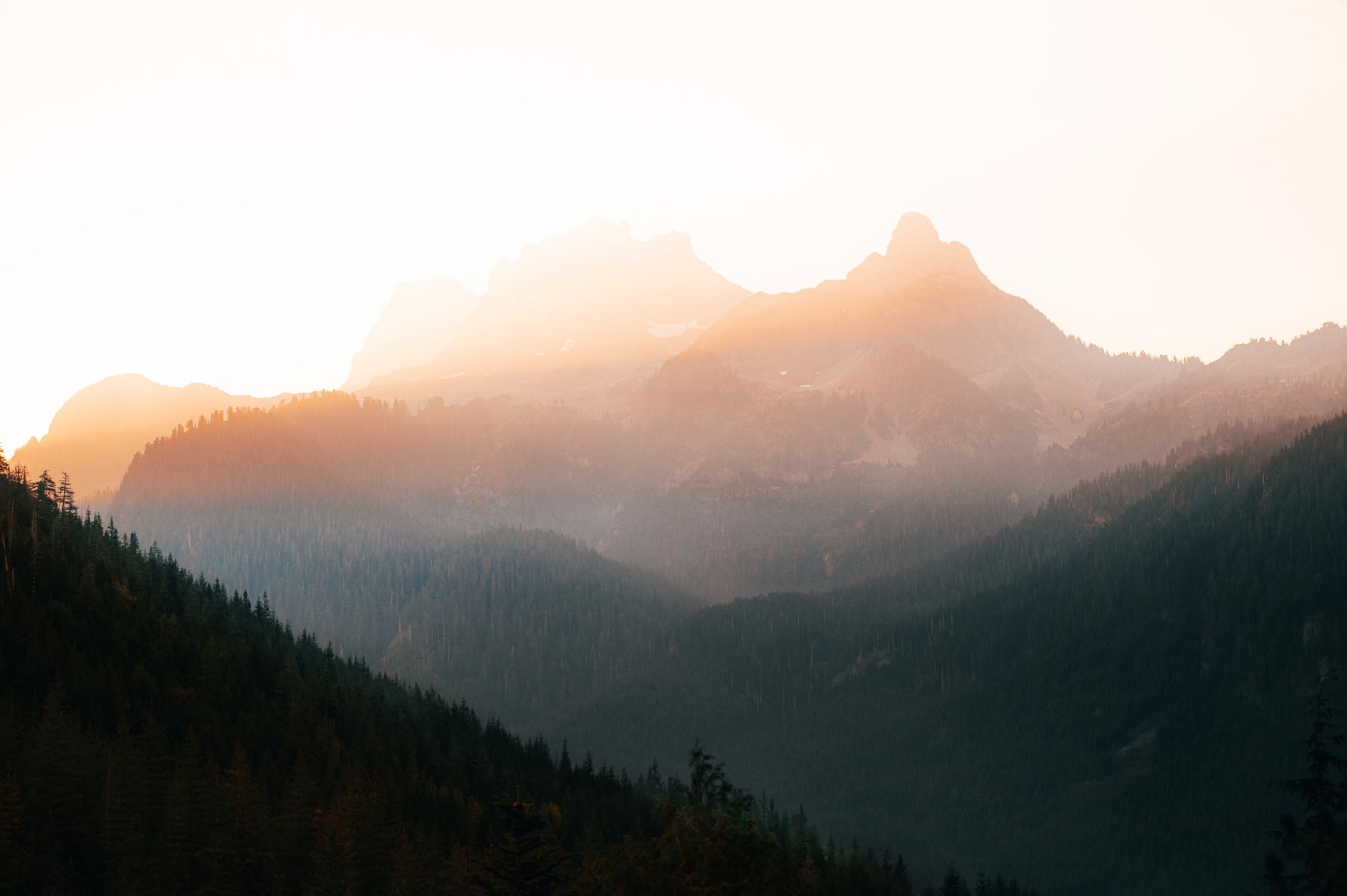
Photo by Luke Miller on Pexels
Traveling alone can feel like stepping onto a tightrope stretched over an unknown canyon. The heart races, the mind conjures worst‑case scenarios, and the word danger echoes louder than the excitement of discovery. Yet, countless wanderers have learned to transform that same nervous energy into a powerful engine for growth. Below are four proven mindset hacks that rewire fear into freedom, complete with real‑world examples you can apply on your next solo expedition.
1. Reframe Fear as Curiosity
The first mental switch is simple but profound: treat every flutter of anxiety as a signal that something interesting lies ahead. Instead of asking, “What could go wrong?” ask, “What am I about to learn?” This shift changes the emotional tone from threat to intrigue.
- Hack: When you notice a fear spike—say, before boarding a night train in Romania—write down the exact thought (e.g., “I’ll get lost in the dark”) and then rewrite it as a question (“What hidden neighborhoods will I discover when the lights go out?”). Keep the list on your phone for quick reference.
- Real example: Maya, a solo traveler from Canada, felt a knot in her stomach before exploring the narrow alleys of Chefchaouen, Morocco. She turned the fear into curiosity, asking herself which shade of blue would surprise her next. The result? She spent hours photographing doors she’d never have noticed, turning a stressful moment into a creative breakthrough.
2. Deploy the “3‑Minute Rule” for Decision Paralysis
Solo journeys are riddled with tiny decisions—whether to try a street‑food stall, join a local tour, or take a detour off the main path. Overthinking can freeze you in place. The 3‑Minute Rule forces action by limiting deliberation.
- Hack: Set a timer for three minutes whenever a choice feels overwhelming. During that time, gather only essential information (price, safety, time). When the timer dings, make the decision and move forward.
- Real example: Alex, traveling through the Andes, hesitated at a crossroads near Cusco. He gave himself three minutes, quickly checked a local forum for safety tips, and chose the less‑trodden path. He ended up at a family‑run tea house where he learned traditional herbal blends and made lifelong friends.
3. Create a “Safety Net” Ritual
Fear often stems from feeling unprepared. A personal safety net—both mental and logistical—provides a cushion that lets you take risks without losing sleep.
- Hack: Before each day, write a brief “check‑in” note: list three things you have (passport, a charged phone, a local emergency number) and three things you’ll do if something feels unsafe (call a hostel manager, share location with a friend, retreat to a public space). Review it each morning.
- Real example: Priya, on a solo trek in Nepal, kept a small notebook in her backpack. Each night she recorded her location, next day’s plan, and a backup contact. When a sudden monsoon threatened her route, she confidently rerouted, knowing she had a clear backup plan.
4. FAQ: Your Solo Travel Concerns Answered
Even with hacks in place, questions linger. Below are three of the most common worries and concise answers to keep you moving forward.
- Q1: How do I stay safe when I don’t speak the local language?
- A: Learn five key phrases—"Help," "I’m lost," "How much?"—and write them on a card. Use translation apps offline, and always keep a picture of your passport and emergency contacts on your phone.
- Q2: What if I feel lonely on a long solo stretch?
- A: Turn solitude into a social opportunity. Join a cooking class, a guided hike, or a coworking space. Even a brief conversation over coffee can reset your mood and provide local insights.
- Q3: How can I manage budget anxiety without missing out?
- A: Set a daily spending cap and track it in a simple spreadsheet. Allocate a “flex fund” (10‑15% of your budget) for spontaneous experiences. Knowing you have a buffer reduces the fear of overspending.
By integrating these mindset hacks—reframing fear, limiting decision time, building a personal safety net, and addressing common concerns—you’ll gradually rewire anxiety into a sense of freedom. The next time you stand at a bustling airport gate or a quiet mountain trail, let curiosity, not caution, guide your steps. Pack these strategies, trust your inner compass, and watch the world open up in ways you never imagined.
Found this helpful? Share it with fellow travelers! ✈️
0 comments:
Post a Comment