



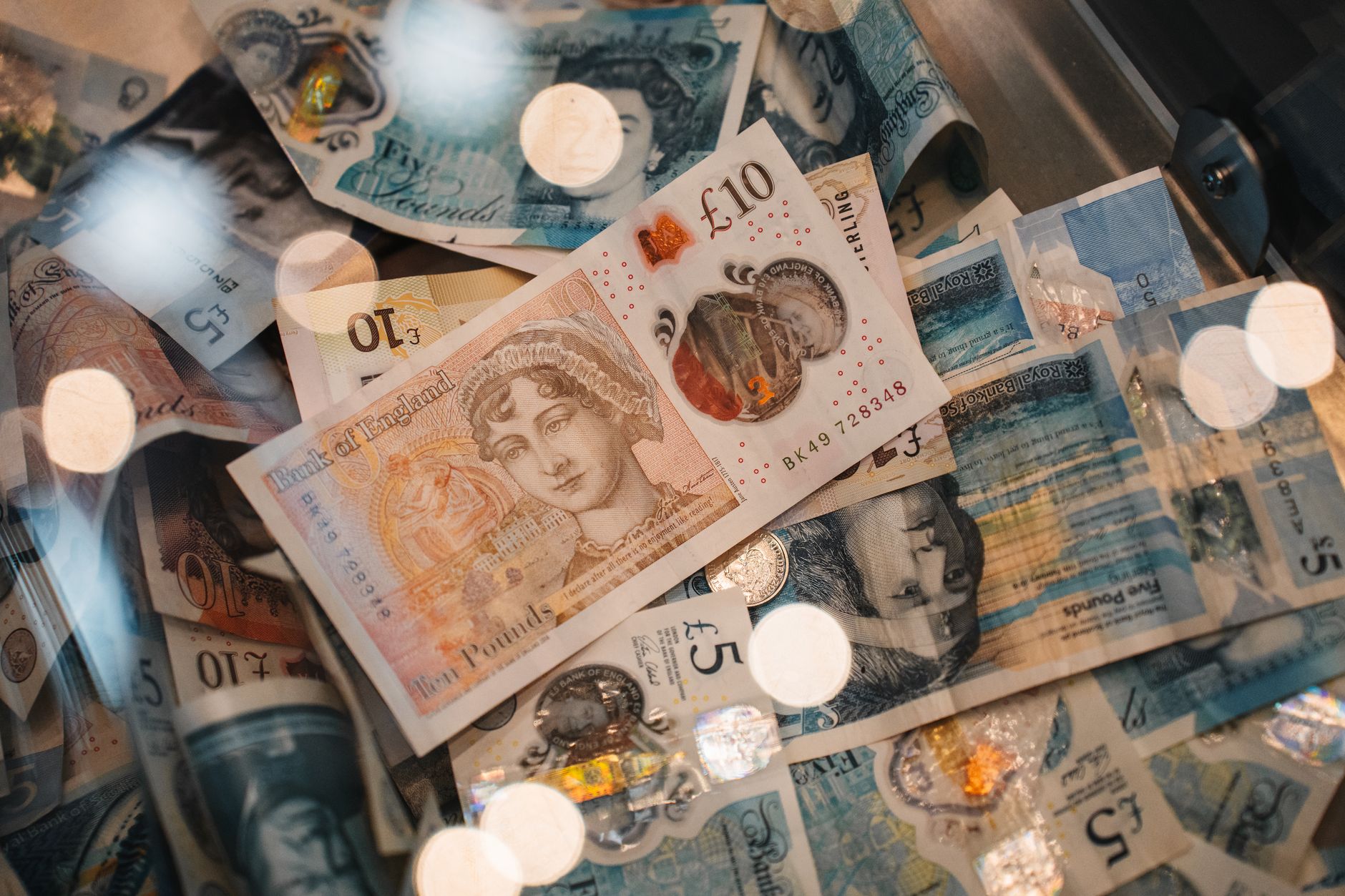
Photo by Clément Proust on Pexels
Understand the True Cost of Currency Exchange
When you walk into a bank or an airport kiosk, the price you see on the board isn’t the whole story. The headline rate is often a mid‑market rate, but the provider adds a hidden markup and sometimes a service fee. For example, if the mid‑market rate for USD/EUR is 0.9150 and a kiosk offers 0.9050, that 0.0100 difference looks small, but on a $1,000 transaction it means you lose $10 before any fee is even applied. Add a $5 flat fee and the loss climbs to $15. Understanding these layers helps you spot where the money disappears.
Choose the Right Provider: Banks, Bureaux, and Online Platforms
Not all exchange services are created equal. Here’s a quick comparison of the three most common options:
- Bank branches: Generally safe, but many charge a 2‑3% markup plus a flat fee. Some premium accounts waive fees, making them a good choice for large sums.
- Bureau de change (airport or city‑center kiosks): Convenience comes at a price. Expect the highest markups—often 4‑5%—and occasional hidden commissions.
- Online platforms (e.g., Wise, Revolut, CurrencyFair): They use the real mid‑market rate and charge a transparent fee of 0.3‑1%. For a $2,000 exchange, Wise would cost roughly $8‑$20, far less than a bank’s $40‑$60.
Real‑world example: Jane needed €500 for a weekend in Paris. She used her bank and paid $15 in fees plus a 2.5% markup, costing her $27 total. Switching to Wise saved her $19, a 41% reduction.
Timing and Amount Strategies: Split Transactions and Market Watching
Currency rates fluctuate daily, sometimes hourly. By monitoring trends and splitting your exchange into smaller batches, you can average a better rate.
- Watch the market: Use free tools like XE.com or OANDA to set alerts when the rate moves 0.5% in your favor.
- Split large sums: Instead of converting $5,000 at once, exchange $2,000 now, wait a week, then convert the rest. If the rate improves by 0.4%, you could save $20 on the second batch.
- Leverage forward contracts: Some online platforms let you lock in a rate for up to 12 months. If you know you’ll travel in six months, securing today’s rate can protect you from a potential dip.
Example: Tom planned a six‑month trip to Japan. He locked in a forward rate of ¥150 per USD, saving $45 compared to the spot rate of ¥155 when he finally exchanged the money.
Protect Yourself with Tools & Tips: Cards, Apps, and Local Cash Strategies
Even after you’ve chosen the best provider, everyday spending can erode your savings if you’re not careful.
- Use no‑foreign‑transaction‑fee (no‑FTF) cards: Cards like the Chase Sapphire Preferred or Revolut Premium waive the typical 2‑3% surcharge, letting you spend at the interbank rate.
- Withdraw cash strategically: Instead of taking many small withdrawals (each with a fee), plan one larger withdrawal per country to minimize per‑transaction costs.
- Keep a small amount of local cash: Some markets only accept cash for transport or small vendors. Having a modest, pre‑exchanged amount (e.g., €30 for a train ticket) avoids last‑minute airport kiosks.
- Enable dynamic currency conversion (DCC) awareness: Merchants may offer to charge you in your home currency at a poor rate. Always choose to be billed in the local currency.
Real example: Maria used a no‑FTF credit card in Mexico and saved $30 on a $1,200 hotel bill that would have otherwise incurred a 3% surcharge.
FAQ
Q1: Is it ever worth using an airport currency exchange?
A: Only in emergencies. Airport kiosks can charge 4‑5% markup plus a flat fee. If you need €50 for a quick taxi, the convenience may outweigh the cost, but for larger amounts, plan ahead and use banks or online services.
Q2: How can I avoid hidden fees when using a debit card abroad?
A: Choose a card that advertises zero foreign transaction fees and check whether your bank imposes an ATM withdrawal fee. Some banks waive ATM fees at partner networks; otherwise, use a local bank’s ATM to avoid extra charges.
Q3: Should I exchange money before I travel or wait until I arrive?
A: It depends on the currency. For widely traded currencies (USD, EUR, GBP, JPY), waiting to use a local ATM or an online app often yields the best rate. For less common currencies (e.g., Icelandic króna), pre‑ordering a small amount at a reputable bank can prevent scarcity and high local markups.
Found this helpful? Share it with fellow travelers! ✈️
0 comments:
Post a Comment