



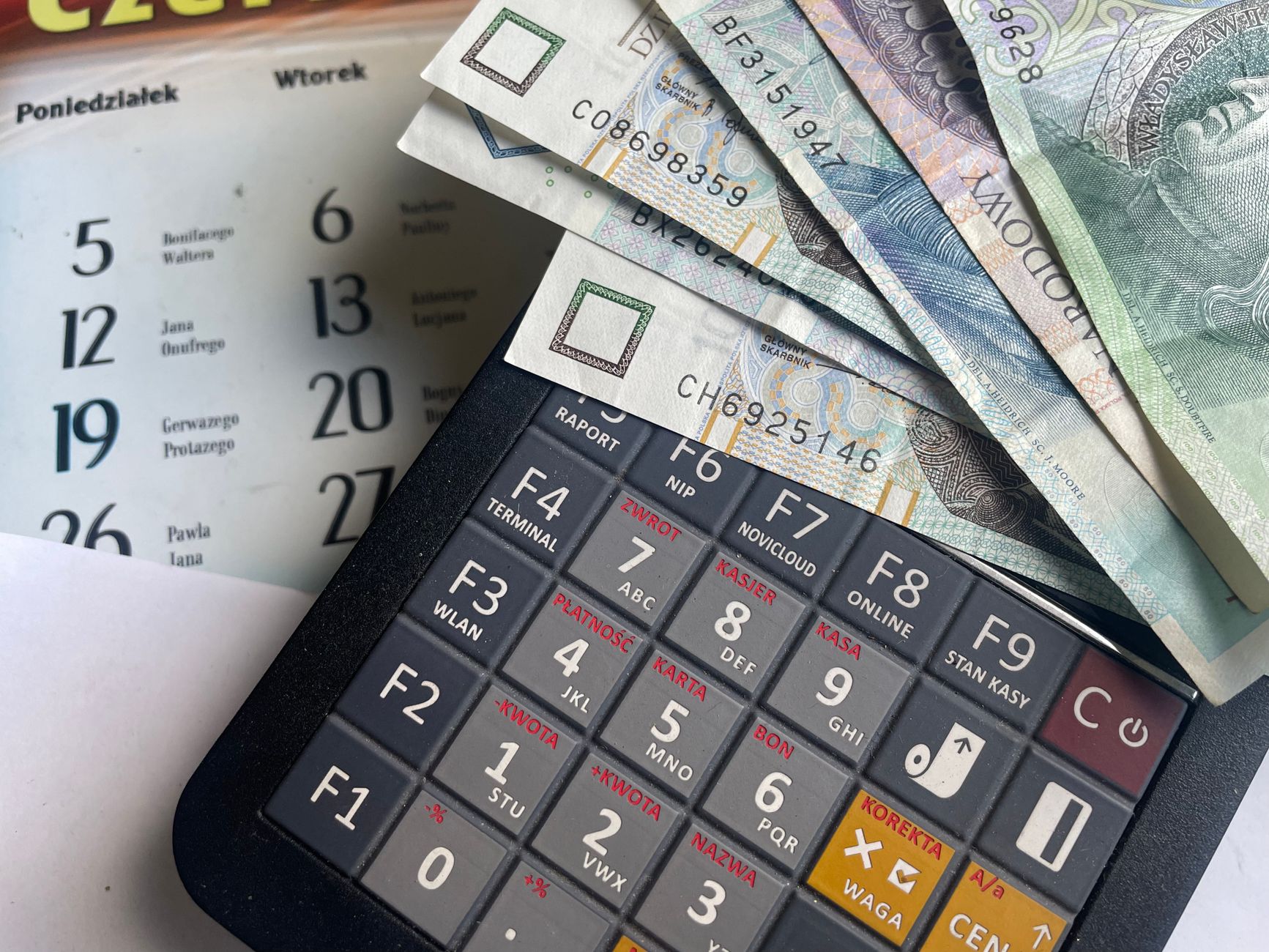
Photo by Niepoddawajsie.pl Luk on Pexels
Picture this: you’re standing in the bustling airport, passport in hand, but your wallet feels lighter than your carry‑on. You want to travel smarter with less money, yet every price tag seems to whisper, “You can’t afford this.” The good news? You don’t need a magic credit card or a billionaire’s budget to explore the world. With a few strategic moves, you can stretch every dollar, savor authentic experiences, and still keep your bank account smiling.
Plan Like a Pro
Effective planning is the backbone of any frugal adventure. When you map out your trip with intention, you eliminate wasteful spending before it even happens.
1. Set a Clear Budget Bucket
Break your total budget into categories: transportation, accommodation, food, activities, and a safety net. Use a spreadsheet or a budgeting app to track each expense in real time. This visual cue helps you stay disciplined and spot overspending early.
2. Choose Off‑Peak Seasons
Traveling during shoulder or low seasons can slash costs by 30‑50%. For example, visiting Lisbon in October instead of July saves on flights, hotels, and even dining, while still offering pleasant weather.
3. Leverage Free Resources
- Google Flights Explore: Visualize cheap routes worldwide.
- Skyscanner “Everywhere” Search: Find the cheapest destinations from your departure city.
- Travel Forums: Reddit’s r/solotravel and Lonely Planet’s Thorn Tree reveal insider tips.
By anchoring your itinerary to data, you avoid impulsive decisions that drain your budget.
Smart Booking Strategies
When it comes to securing flights and lodging, timing and flexibility are your greatest allies.
1. Book Flights on the Right Day
Studies show Tuesdays and Wednesdays often host the lowest fares. Set price alerts on Hopper or Kayak and be ready to pounce when the price dips below your target.
2. Embrace Alternate Airports
Flying into a nearby hub and taking a short train or bus can save up to $100 per leg. For instance, landing in Osaka’s Itami Airport instead of Tokyo’s Narita can dramatically lower costs for a Japan itinerary.
3. Use “Hidden City” Ticketing Wisely
Websites like Skiplagged reveal routes where a layover city is cheaper than a direct flight. This trick works best for one‑way trips and when you don’t need checked luggage.
4. Opt for Alternative Accommodations
- Hostels with Private Rooms: Offer the social vibe of a dorm with added privacy.
- Airbnb Experiences: Book a room in a local’s home and get free insider tips.
- Couchsurfing: Completely free stays, perfect for the adventurous.
When you combine these tactics, you can often cut accommodation costs by half without sacrificing comfort.
Live Like a Local
Immersing yourself in local life isn’t just enriching—it’s also a money‑saving powerhouse.
1. Dine Where Residents Eat
Skip the tourist‑centric eateries and follow the crowd to neighborhood markets, street stalls, or family‑run cafés. A bowl of pho from a Hanoi street vendor costs under $2, compared to $12 at a hotel restaurant.
2. Use Public Transportation
Instead of taxis, purchase daily or weekly transit passes. In Berlin, a weekly BVG pass costs €30 and grants unlimited access to buses, trams, and U‑bikes.
3. Shop at Local Markets
Buy fresh produce, bread, and cheese for a picnic. Not only does this reduce meal costs, but it also lets you experience daily life. In Marrakech’s souks, a fresh fruit platter can be a fraction of a restaurant’s price.
4. Participate in Free Activities
- Walking Tours: Many cities offer free “pay‑what‑you‑wish” tours.
- Museums on Free Days: Check national museum calendars for complimentary entry.
- Community Events: Local festivals, concerts, and markets provide authentic entertainment at no cost.
By aligning your daily routine with locals, you naturally lower expenses while gaining richer experiences.
Stretch Every Dollar
Even after you’ve slashed major costs, micro‑savings add up. Here are the final polish‑offs for a leaner travel budget.
1. Earn While You Travel
Consider short‑term gigs: freelance writing, photography, or teaching English online. Platforms like Upwork and Workaway connect travelers with paid or exchange‑for‑room opportunities.
2. Leverage Loyalty Programs
Sign up for airline miles, hotel points, and credit‑card travel rewards. Even a modest sign‑up bonus can cover a night’s stay or a short domestic flight.
3. Pack Light to Avoid Fees
Most airlines charge for checked bags. A well‑packed backpack that fits the cabin limit saves you $30‑$50 per flight. Use packing cubes and roll clothing to maximize space.
4. Negotiate When Possible
In many destinations, especially in Asia and Latin America, you can haggle for better rates on hotels, tours, and even taxis. Approach negotiations with a smile and a clear budget in mind.
Implementing these micro‑tactics can shave an extra 10‑15% off your overall spend, turning a good budget into a great one.
Frequently Asked Questions
Can I travel internationally on a shoestring budget?
Absolutely. By prioritizing off‑peak travel, using budget airlines, staying in hostels or homestays, and eating local street food, you can experience continents for a fraction of typical costs. Southeast Asia and Eastern Europe are especially friendly to low‑budget travelers.
Is it safe to use “hidden city” ticketing?
It’s legal but comes with caveats: airlines may cancel frequent‑flyer miles, and you must travel with carry‑on only. Use it sparingly for one‑way trips where you don’t need checked luggage.
How do I avoid hidden fees when booking accommodation?
Read the fine print. Look for cleaning fees, service charges, and taxes before you confirm. Booking directly through the property’s website can sometimes waive extra platform fees.
Found this helpful? Share it with fellow travelers! ✈️
0 comments:
Post a Comment