



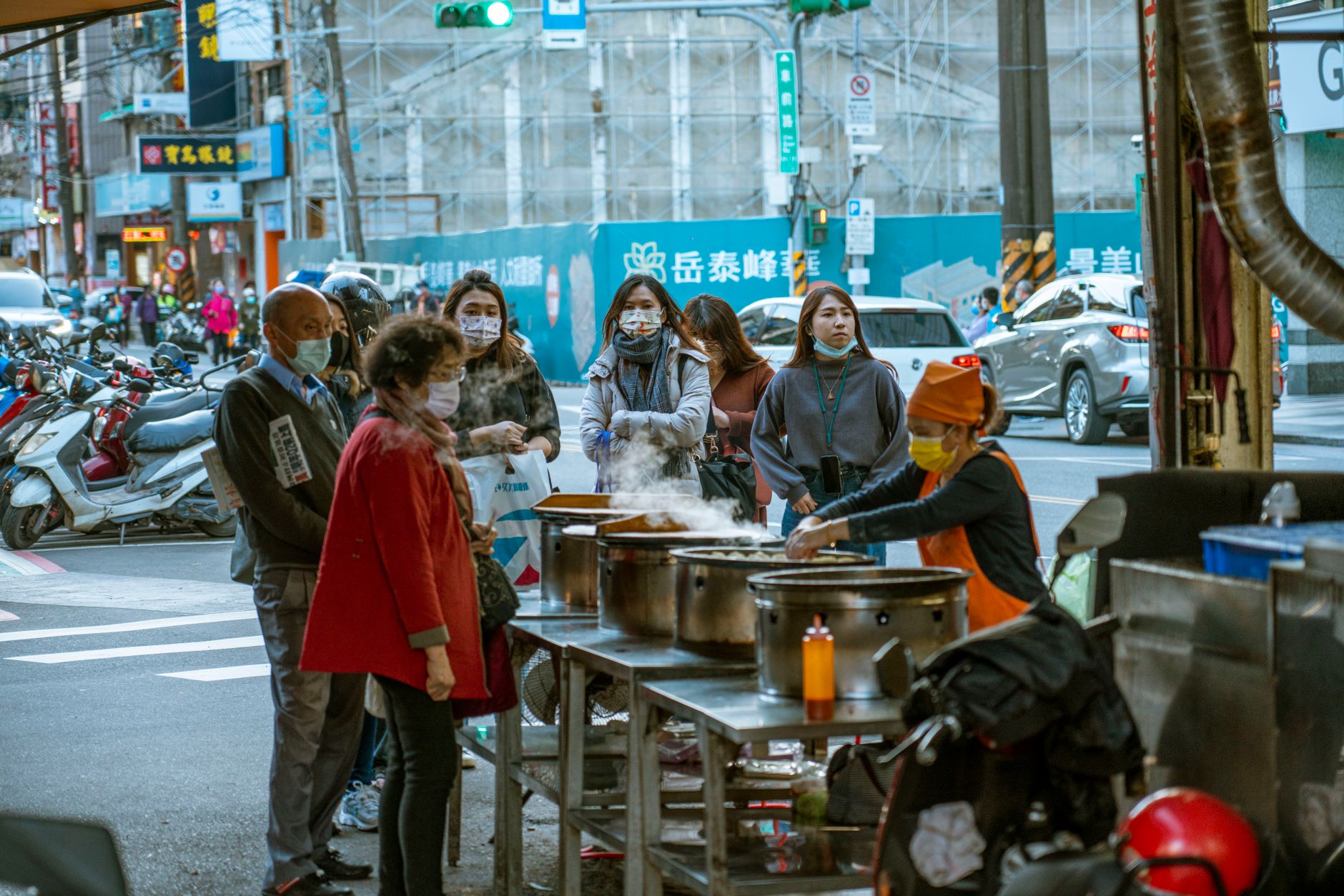
Photo by Jimmy Liao on Pexels
Street food is the heartbeat of a city, a living museum of flavors that tells the story of its people. Yet, most travelers only scratch the surface, missing the hidden stalls where locals line up for a bite that could change their culinary perspective forever. In this guide we’ll unwrap the most practical, real‑world secrets to finding, tasting, and enjoying street food like a seasoned local, with vivid examples from Bangkok, Mexico City, Istanbul, and beyond.
The Art of Listening to the Crowd
When you step onto a bustling boulevard, the first clue to a great bite is often the crowd itself. Locals gravitate toward stalls that serve fresh, affordable, and reliably delicious food. Here’s how to read the crowd:
- Watch the queue length. A line of locals at a modest stall usually beats a flashy tourist‑centric kiosk. In Bangkok’s Yaowarat Road, the stall selling pad thai with a sizzling wok and a steady stream of office workers is a daily ritual for Thais, not just a tourist stop.
- Observe the turnover. Food that disappears within minutes is a sign of freshness. In Mexico City’s Mercado de la Merced, the taco al pastor cart that sells out every 15 minutes is a must‑try; the pork is marinated overnight and cooked on a vertical spit, delivering a smoky, citrusy punch.
- Listen for language. If the vendor greets you in the local dialect and the menu is written in native script, you’re likely in an authentic zone. In Istanbul’s Karaköy district, the simit vendor shouting “Simit! Taze simit!” (Fresh sesame bagel!) attracts a mix of commuters and students, guaranteeing an authentic taste.
Actionable tip: Carry a small notebook or phone note and jot down stall names, locations, and what locals order. Over a week you’ll build a personal map of the city’s best hidden eats.
Follow the Sizzle: Sensory Cues
Street food isn’t just visual; it’s an orchestra of sound, smell, and texture. Train your senses to spot the stalls that are cooking up something special.
- Sound of the grill. The rhythmic clank of a metal spatula or the hiss of a charcoal grill signals food being cooked to order. In Hanoi’s Old Quarter, the stall where a chef flips bánh cuốn (steamed rice rolls) on a hot pan produces a subtle sizzle that draws a crowd of locals craving the buttery aroma.
- Smell the spices. A fragrant cloud of cumin, coriander, or lemongrass often indicates a stall with freshly ground spices. In Marrakech’s Djemaa el‑Fna, the aroma of harissa and grilled kebabs leads you to a family-run cart that serves spiced lamb skewers with a side of preserved lemon.
- Visual cues. Look for bright, clean cookware and a well‑organized prep area. A stall with a polished wok, fresh herbs in a basket, and a clear display of ingredients is a sign of professionalism. The Osaka takoyaki stand in Dotonbori keeps its batter in a stainless steel bowl and serves the octopus balls hot, crisp on the outside and creamy inside.
Actionable tip: Bring a compact travel-size hand sanitizer and a reusable utensil set. This lets you sample food confidently, even when the stall lacks cutlery.
Map the Hidden Gems: Using Tech and Tradition
Modern travelers have an advantage: smartphones. Yet the best street‑food discoveries still come from old‑school curiosity.
- Leverage local apps. In Seoul, the app Baedal Minjok not only delivers meals but also lists popular street‑food stalls with user ratings. The top‑rated tteokbokki stall near Hongik University serves rice cakes in a fiery gochujang sauce that locals claim is “the perfect balance of sweet and heat.”
- Ask a local guide. A short conversation with a resident can unlock a secret spot. In Buenos Aires, a taxi driver recommended a late‑night choripán stand in Palermo that serves chorizo sausages with chimichurri—an experience not found in guidebooks.
- Use social media hashtags. Searching #streetfood in Instagram stories often reveals pop‑up stalls. In Lagos, the hashtag #LagosEats highlighted a mobile jollof rice cart that cooks the rice in a giant iron pot over open flame, delivering smoky depth that restaurant versions lack.
Actionable tip: Create a custom map in Google My Maps titled “Street Food Trail” and drop pins as you discover stalls. Share it with fellow travelers for a collaborative culinary itinerary.
Savor Responsibly: Health, Safety, and Etiquette
Delicious street food should also be safe. Follow these guidelines to enjoy without regret:
- Check food temperature. Hot dishes should be steaming, and cold items like salads should be kept on ice. In Delhi’s Chandni Chowk, the chaat vendor serves the items on a chilled metal plate, ensuring the tangy tamarind sauce stays fresh.
- Observe hygiene practices. Vendors who wash hands frequently, wear gloves, or use tongs show a commitment to safety. The sushi hand roll stall in Tokyo’s Tsukiji Outer Market uses disposable gloves for each roll, giving peace of mind.
- Respect local customs. In many Asian cities, it’s polite to finish everything on your plate; waste is frowned upon. In Vietnam, leaving a small amount of pho broth is considered rude because it suggests the soup was insufficient.
- Stay hydrated. Street food can be spicy. Carry a bottle of bottled water and, if possible, a slice of lime to cut through heat.
Actionable tip: Carry a small first‑aid kit with antacids and anti‑diarrheal tablets, especially when traveling to regions with unfamiliar bacteria.
FAQ
Q: How can I tell if a street‑food stall is safe for someone with food allergies?
A: Look for vendors who clearly label ingredients or are willing to explain them. In Singapore’s hawker centres, most stalls display allergen information on a chalkboard. If you’re uncertain, ask the chef directly—many are happy to accommodate gluten‑free or nut‑free requests.
Q: What’s the best time of day to explore street‑food markets?
A: Early evenings (5‑8 pm) are prime, as stalls are fully set up and locals are out for dinner. Some markets, like Bangkok’s Ratchada Train Night Market, peak after 9 pm with a lively atmosphere and cooler temperatures.
Q: Should I tip street‑food vendors?
A: Tipping is not mandatory, but a small appreciation—rounding up the bill or leaving a few extra baht, pesos, or lira—goes a long way. In many Southeast Asian countries, vendors often rely on tips for supplemental income, so a modest gesture is warmly received.
Found this helpful? Share it with fellow travelers! ✈️
0 comments:
Post a Comment