



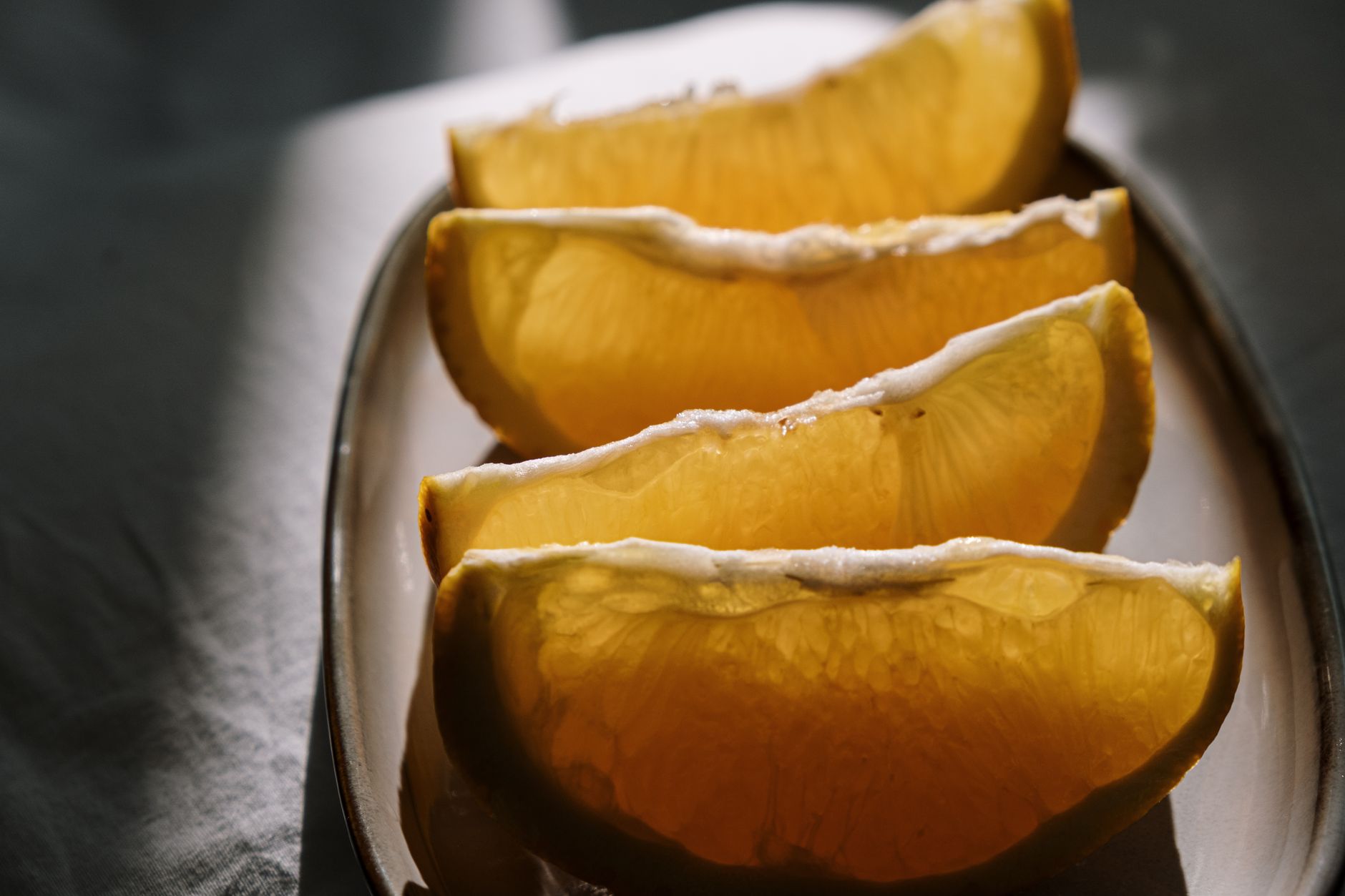
Photo by cottonbro studio on Pexels
When you’re hopping from one time zone to another, the excitement of new sights can quickly be eclipsed by a runny nose, sore throat, or the dreaded jet‑lag‑induced immune dip. While vaccines and hand‑sanitizer are essential, a simple, portable ally often goes unnoticed: vitamin C‑packed snacks. In this guide we’ll explore why vitamin C matters on the road, which snacks survive the rigors of travel, and how to keep them fresh from Tokyo to Toronto.
Why Vitamin C Matters on the Road
Vitamin C is a water‑soluble antioxidant that supports white‑blood‑cell function, helps the body absorb iron, and reduces the severity of common colds. A study published in the International Journal of Vitamin and Nutrition Research found that travelers who increased their daily vitamin C intake by 200 mg experienced 30 % fewer sick‑days during a two‑week trip. The stress of airport security, irregular sleep, and unfamiliar cuisines can deplete the body’s antioxidant reserves, making a proactive boost a smart defensive move.
Beyond the immune angle, vitamin C also aids in collagen production, which keeps skin and mucous membranes resilient—crucial when you’re exposed to dry airplane cabins or dusty desert winds. The key is to consume it regularly, not just when you feel a sniffle coming on.
Top Vitamin C‑Packed Snacks to Pack
Below are five snack options that deliver at least 50 % of the daily value per serving and survive the rigors of a suitcase or backpack.
- Dried Goji Berries – 1 oz offers ~30 mg of vitamin C. Pair them with almonds for a protein‑rich trail mix.
- Freeze‑Dried Strawberries – 1 cup provides ~100 mg. Their crisp texture stays crunchy even after weeks in a carry‑on.
- Organic Orange‑Infused Dark Chocolate – 2 oz combines 40 mg of vitamin C with antioxidants from cocoa.
- Vitamin‑C‑Fortified Energy Bars – Brands like Clif Builder’s add 60 mg per bar and include protein for sustained energy.
- Fresh Kiwi or Pineapple Slices (vacuum‑sealed) – 1 medium kiwi delivers 70 mg. Vacuum sealing keeps them fresh for 3‑4 days in a cooler bag.
Real‑world example: While trekking the Inca Trail, I swapped sugary granola for a mix of freeze‑dried strawberries and goji berries. Not only did my energy stay steady, but I also avoided the mid‑day slump that often follows high‑glycemic snacks.
Smart Packing Strategies for Freshness
Even the most robust snack can lose potency if stored improperly. Follow these three tactics to preserve vitamin C content from departure to destination:
- Use airtight, resealable bags. Oxygen accelerates oxidation, which degrades vitamin C. Press out excess air before sealing.
- Keep snacks cool. A small insulated pouch with a reusable ice pack extends freshness for fresh fruit slices and prevents melt‑down of chocolate.
- Separate moisture‑sensitive items. Store dried snacks away from fresh produce to avoid sogginess, which can encourage mold growth.
During a recent business trip to Dubai, I placed my vacuum‑sealed kiwi slices in a compact cooler bag inside my carry‑on. The fruit remained crisp for five days, and I enjoyed a vitamin‑C boost each morning before meetings.
Boosting Immunity on the Fly + FAQ
When you’re on the move, consistency is key. Here are actionable tips to integrate vitamin C snacks into your daily travel routine:
- Morning ritual. Pair a vitamin‑C‑rich bar with your coffee or tea to kick‑start the day.
- Mid‑day refresh. Swap a sugary soda for a handful of dried goji berries and a piece of fresh pineapple.
- Evening wind‑down. A small square of orange‑infused dark chocolate can satisfy cravings while delivering a final vitamin C dose before bedtime.
These simple swaps keep your immune system supplied without adding bulk to your luggage.
Frequently Asked Questions
Q1: How much vitamin C should I aim for while traveling?
A: The Recommended Dietary Allowance (RDA) for adults is 90 mg for men and 75 mg for women. When traveling, targeting 150‑200 mg per day (through snacks and meals) helps counteract stress‑induced depletion.
Q2: Will the vitamin C content degrade if I store snacks for a week?
A: Dried and freeze‑dried fruits retain most of their vitamin C for several weeks if kept airtight and away from light. Fresh produce loses up to 30 % after 48 hours, so vacuum sealing and cooling are essential for longer trips.
Q3: Can I rely solely on snacks for my vitamin C needs?
A: Snacks are a convenient supplement, but aim to include vitamin C‑rich meals (e.g., salads with bell peppers, citrus juices) whenever possible. A balanced approach ensures you meet both macro‑ and micronutrient needs.
By planning ahead and choosing the right snack arsenal, you can turn every layover into an opportunity to fortify your immune system. So the next time you zip up your suitcase, don’t forget to tuck in a few vitamin C powerhouses—your future self will thank you.
Found this helpful? Share it with fellow travelers! ✈️
0 comments:
Post a Comment