



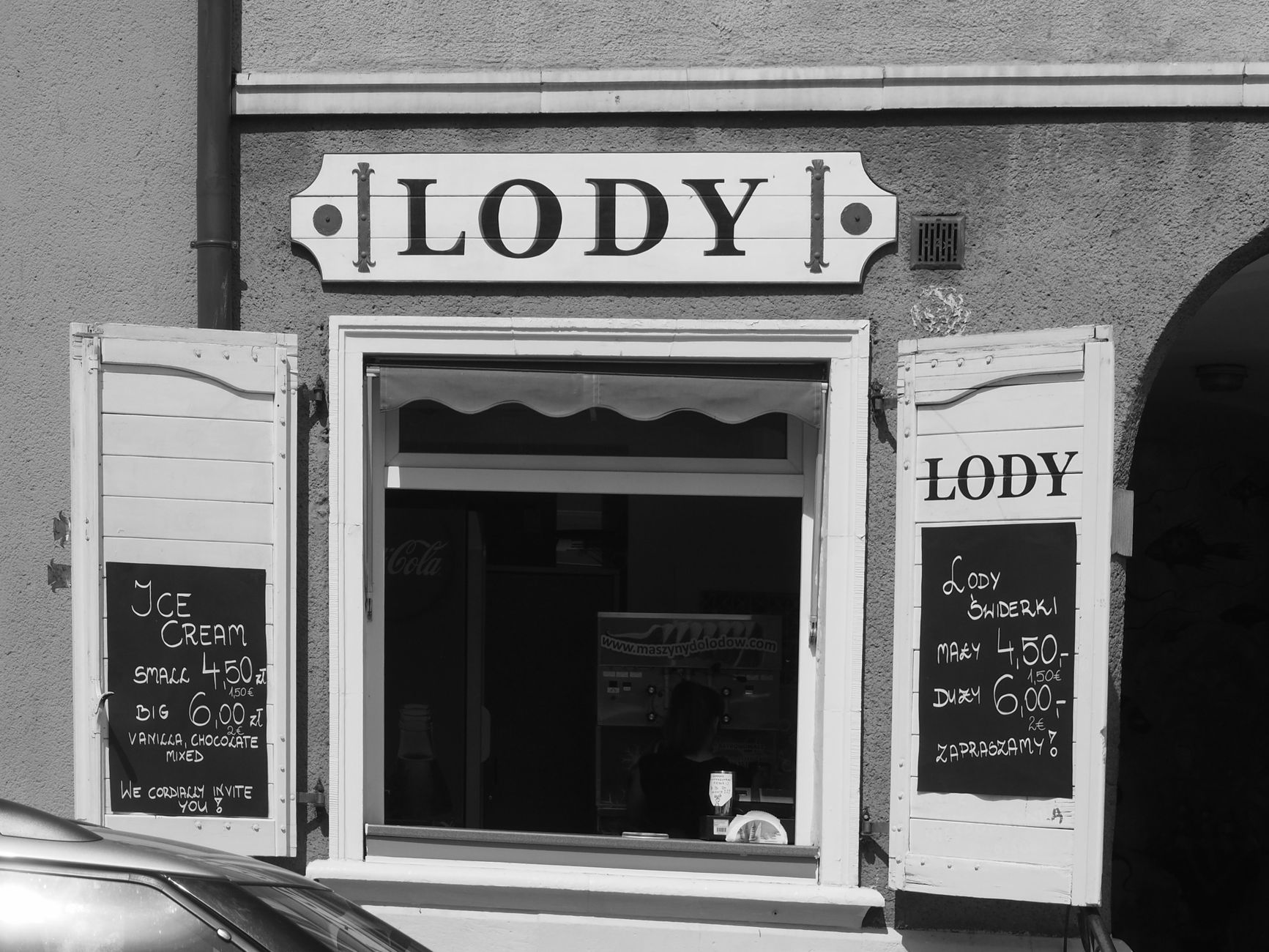
Photo by Ulrich Scharwächter on Pexels
Why Off-Board Ordering Beats the Counter
When you pull up a chair at a bustling market stall or a roadside eatery, the menu displayed on a board or a digital screen is often the full-price version. Restaurants and food trucks use those menus to showcase premium dishes, seasonal specials, and items that carry higher profit margins. By opting to order off‑board—that is, asking the staff for the "daily specials" or "chef’s recommendations" that aren’t listed—you tap into a hidden pricing tier that typically runs 10‑15% lower than the printed prices.
Why does this happen? The answer lies in inventory control and waste reduction. Unlisted dishes are usually prepared from surplus ingredients, and the kitchen wants to move them quickly. The discount is a win‑win: you get a fresh, often authentic dish, and the vendor clears stock before it spoils.
How to Spot the Off‑Board Opportunities
Not every place offers a secret menu, but most low‑to‑mid‑range eateries have at least one unadvertised option. Here are four concrete signals that an off‑board order is possible:
- Busy lunch hours with a short wait. When the line moves fast, staff are often eager to keep the momentum going.
- Visible kitchen activity. If you can see pots simmering and a chef shouting out "special!", ask what’s cooking.
- Locals ordering in a language you don’t understand. Follow the lead of native speakers; they’re likely ordering off‑board.
- Menu boards with "Today’s Soup" or "Fresh Catch" lines. Those are the clearest cues.
In practice, a traveler in Bangkok might see a noodle stall with a board reading "Pad Thai – $3.00" but hear a local ask for "gai pad prik – extra spicy"—a dish that isn’t listed but costs $2.50. That $0.50 difference adds up over a week of meals.
Actionable Tips + Real‑World Examples
Below are step‑by‑step tactics you can employ the next time you’re hunting a meal, each paired with a real‑world example.
- Start with a simple greeting in the local language. Even a "Hello" or "Good afternoon" in the native tongue builds rapport.
Example: In Mexico City, saying "¡Hola!" before asking "¿Qué hay de especial hoy?" (What’s special today?) often yields a dish like tacos de lengua for $1.75 instead of the $2.00 listed taco. - Ask for the "chef’s recommendation" or "daily special". Phrase it as a request, not a demand.
Example: In Lisbon’s Alfama district, a server might suggest "bacalhau à lagareiro" (cod with olive oil) for €7.00, a €1.00 discount from the printed €8.00. - Use the word "off the board" directly. In English‑speaking locales, saying "Do you have anything off the board today?" signals you understand the concept.
Example: In a Melbourne food court, a stallkeeper will pull out a fresh avocado smash for $4.20 instead of the $5.00 menu price. - Leverage side dishes. Often, a side can be upgraded for free if you ask for the "full plate".
Example: In Seoul, a bibimbap bowl may come with an extra kimchi serving when you say you want the "full set"—saving the $0.80 side price.
Remember to stay polite and appreciative. A simple "Thank you, that looks delicious" can turn a one‑time discount into a regular perk.
FAQ – Your Off‑Board Concerns Answered
- 1. Is it rude to ask for off‑board items?
- Not at all, as long as you ask respectfully. In most cultures, chefs are proud of their hidden dishes and enjoy sharing them with curious diners.
- 2. Will the quality be lower because it’s off the menu?
- Usually the opposite. Off‑board dishes are often made from fresh, surplus ingredients, meaning they’re just as good—if not better—than the listed items.
- 3. How can I avoid being scammed by a fake "off‑board" price?
- Do a quick price check on the menu before asking. If the off‑board price is dramatically lower (e.g., 50% off), verify by asking a local or checking online reviews. Most legitimate discounts hover around the 10‑15% range.
By incorporating these strategies into your travel routine, you’ll not only stretch your food budget but also gain deeper insight into the culinary culture of each destination. The next time you see a bustling stall, remember: the hidden menu could be your ticket to a richer, cheaper dining experience.
Found this helpful? Share it with fellow travelers! ✈️
0 comments:
Post a Comment