



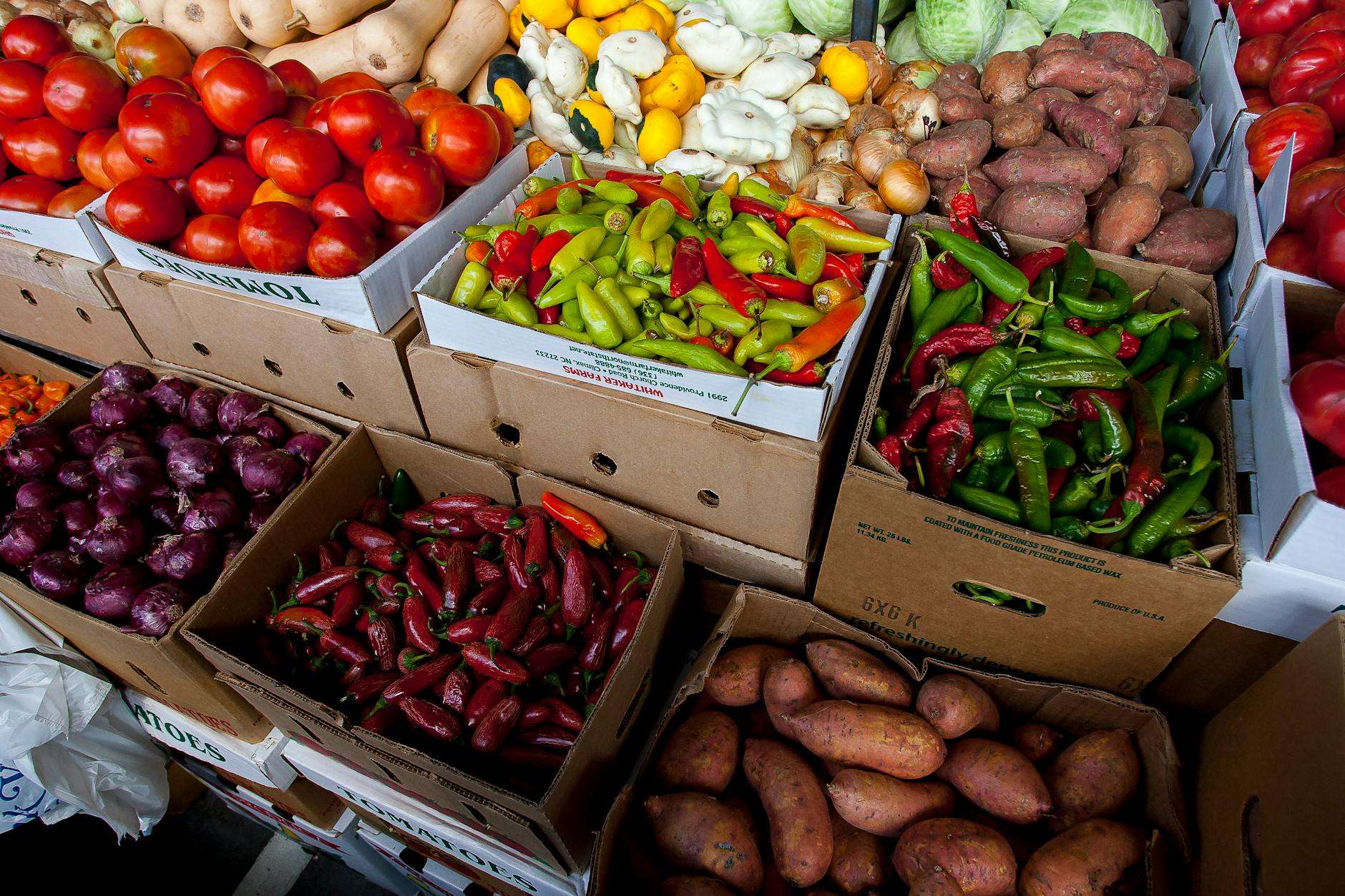
Photo by Mark Stebnicki on Pexels
The Allure of Local Markets
Local markets are the beating heart of any city or village. While tourists flock to polished restaurants, the stalls tucked away in bustling squares offer authentic flavors, cultural stories, and prices that often sit well below the average restaurant bill. From the spice‑laden aisles of Marrakech's souks to the fresh‑catch stalls of Bangkok's floating markets, these places let you taste a destination the way locals do.
Beyond the culinary adventure, markets serve as informal gathering spots where vendors share cooking tips, families gather for lunch, and musicians provide a soundtrack. This immersive environment creates a hidden‑gem experience that you can’t replicate in a tourist‑centric eatery.
The 25% Savings Formula
Why does eating at a market typically shave off a quarter of your food budget? The math is straightforward:
- Lower overhead: Vendors don’t pay for prime real‑estate rent or extensive staff, so they pass those savings onto you.
- Seasonal sourcing: Market stalls sell produce and proteins that are in season, which is cheaper than imported or out‑of‑season items found on restaurant menus.
- Portion flexibility: You can buy exactly the amount you need—whether it’s a single taco or a half‑kilogram of grilled fish—eliminating waste and extra cost.
Combine these factors, and you often end up paying 70‑80 % of what a comparable restaurant dish would cost, translating into roughly a 25 % saving per meal.
Actionable Tips & Real Examples
Turning the concept into practice is easier than you think. Below are step‑by‑step tips backed by real‑world examples you can replicate on your next trip.
- Do a quick price check. Before you order, glance at neighboring stalls. In Chiang Mai, a bowl of khao soi from one stall was ฿50, while a nearby vendor offered the same dish for ฿38. Choose the lower price without compromising quality.
- Ask for a combo. In Lisbon’s Mercado da Ribeira, a vendor sold a pastel de nata for €1.20. When I asked for a “two‑for‑one” deal with a coffee, the price dropped to €2.00 total—well under the typical €3.50 café combo.
- Buy fresh and finish at home. In Oaxaca, I purchased fresh corn tortillas, chiles, and grilled chicken from the market for MXN 45. A quick grill at my hostel turned this into a full Mexican dinner for under $5 USD, a fraction of the restaurant price.
- Leverage bulk discounts. In Marrakech’s Jemaa el‑Fna, a stall offered a 10 % discount when you bought more than 1 kg of marinated lamb kebabs. Buying 1.5 kg saved me 15 MAD, which added up over a week of meals.
- Stay flexible with timing. Many markets have “last‑call” discounts an hour before closing. In Bangkok’s Chatuchak, I snagged a bowl of pad thai for THB 30 (normally THB 45) just as the stall was packing up.
These tips not only shave off the bill but also deepen your connection with local food culture. Remember to bring small change, a reusable bag, and a sense of curiosity.
Frequently Asked Questions
Q1: Is it safe to eat street food from market stalls?
A: Yes, most reputable stalls follow local hygiene standards. Look for stalls with a steady flow of customers, clean preparation areas, and vendors who cook food to order. In Vietnam, for example, the bustling Ben Thanh market’s seafood stalls are known for fresh, well‑cooked dishes.
Q2: How can I overcome language barriers when ordering?
A: Learn a few key phrases like “How much?” and “I’d like this.” Carry a picture of the dish you want or use translation apps. In Barcelona’s La Boqueria, pointing at a photo of a jamón sandwich and saying “Un bocadillo de jamón, por favor” worked perfectly.
Q3: What should I bring to make the most of market meals?
A: Pack a reusable water bottle, a small set of utensils (bamboo fork/spoon), and a portable cooler bag for perishable items. A lightweight napkin or paper towel is also handy for messy dishes like grilled corn or fried dough.
By embracing local markets, you not only save money but also unlock flavors and stories that mainstream tourism often overlooks. So the next time you plan a trip, map out the nearest market, apply these tips, and watch your food budget shrink while your travel experience expands.
Found this helpful? Share it with fellow travelers! ✈️
0 comments:
Post a Comment