



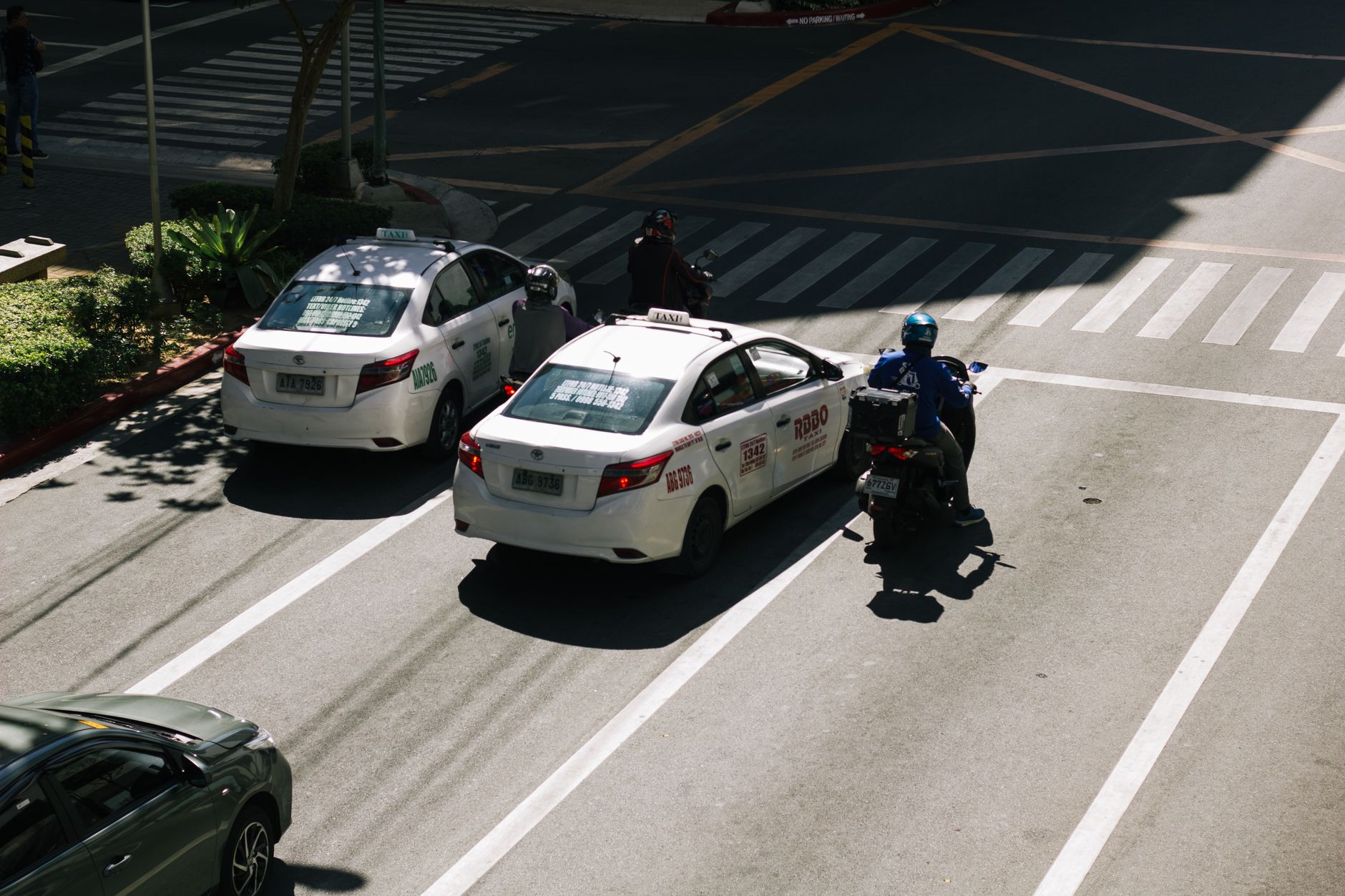
Photo by Josh Eleazar on Pexels
What Are 4‑Digit Safety Codes?
Many reputable taxi companies around the world now issue a unique four‑digit safety code to each passenger. The code is printed on the receipt, displayed on the driver’s dashboard, or sent via SMS after you book a ride. When you reach your destination, you simply confirm the code with the driver. If the numbers don’t match, you have a clear reason to refuse the ride or request a different vehicle.
These codes act like a digital handshake: they verify that the driver, the vehicle, and the booking platform are all aligned. In regions where unlicensed cabs are common, the safety code becomes a quick, low‑tech way to weed out fraud.
Why They Matter in Foreign Cities
Imagine stepping off a plane in Buenos Buenos Aires, Madrid, or Bangkok. You’re exhausted, your luggage is heavy, and you just want to get to your hotel. In such moments, the temptation to hop into the first cab that waves you over is high. Unfortunately, that’s exactly when scams thrive.
- Reduced fraud: A driver who can’t produce the correct code is likely operating outside the licensed network.
- Passenger safety: The code confirms that the driver’s identity matches the one stored in the company’s database.
- Transparent pricing: When the code is tied to a digital receipt, you can cross‑check the fare before you pay.
In cities like Lagos, Manila, or Istanbul, where “taxi‑hailing” can be a gray area, the four‑digit safety code provides a simple, language‑independent verification method.
How to Use the Code – Step‑by‑Step Guide
- Book through a reputable app or phone line. Companies such as Grab, Bolt, FreeNow, and local airport taxi desks automatically generate a safety code after you confirm a ride.
- Note the code immediately. It will appear on the confirmation screen, in the SMS, or on the printed receipt. Write it down or save a screenshot.
- Check the driver’s ID badge. Most licensed drivers display a card with the company logo and the same four‑digit code.
- Confirm the code before you get in. Ask the driver, “What’s the safety code for my ride?” If the numbers match, you’re good to go.
- Verify the vehicle. The license plate and car model should also match the details in the app. If anything feels off, politely decline and request another car.
- Re‑confirm on arrival. Some companies ask you to confirm the code again when you reach your destination, ensuring the driver didn’t switch vehicles mid‑trip.
Real‑world tip: In Tokyo, the Tokyo Taxi Association prints the code on a small sticker inside the passenger’s side window. When I arrived for a business meeting, I asked the driver for the code, matched it to the sticker, and felt instantly reassured.
Real‑World Examples & FAQs
Below are three common scenarios that illustrate how the safety code can save you time, money, and peace of mind.
- Example 1 – Airport pickup in Mexico City: After landing, I booked a cab via the official airport kiosk. The receipt showed code
2749. The driver arrived, showed the same number on his dashboard screen, and we were on our way. A nearby driver without a code tried to approach, but I declined, avoiding a potential overcharge. - Example 2 – Night ride in Nairobi: My app generated code
8312. The driver’s ID displayed the exact code, and the car’s plate matched the app. Mid‑trip, a second driver tried to pick me up after a “detour” suggestion. I used the code to confirm I was still in the original, licensed vehicle. - Example 3 – Tourist trap in Rome: I received an SMS with code
4590. A street‑hailer offered a “quick ride” to the Colosseum. I politely asked for the code; he couldn’t provide it, so I walked to the nearest official taxi stand instead.
FAQ
- Q1: What should I do if the driver’s code doesn’t match?
- A: Politely refuse to ride and contact the booking service immediately. Most companies have a 24/7 support line that can dispatch a replacement vehicle.
- Q2: Are safety codes used everywhere?
- A: Not yet, but they are rapidly expanding in Europe, Asia, and parts of Africa. Check the taxi company’s website before you travel; if they list a safety‑code feature, you’re good to go.
- Q3: Can I share the code with a friend who’s traveling later?
- A: No. Each code is tied to a single ride and expires after the trip ends. Sharing could cause confusion and compromise security.
By integrating the four‑digit safety code into your travel routine, you add a layer of verification that works even when language barriers or unfamiliar streets make other safety measures harder to enforce. It’s a small step that yields big returns in confidence and security.
Next time you book a cab abroad, remember to look for that four‑digit number, confirm it, and enjoy a smoother, safer ride.
Found this helpful? Share it with fellow travelers! ✈️
0 comments:
Post a Comment