



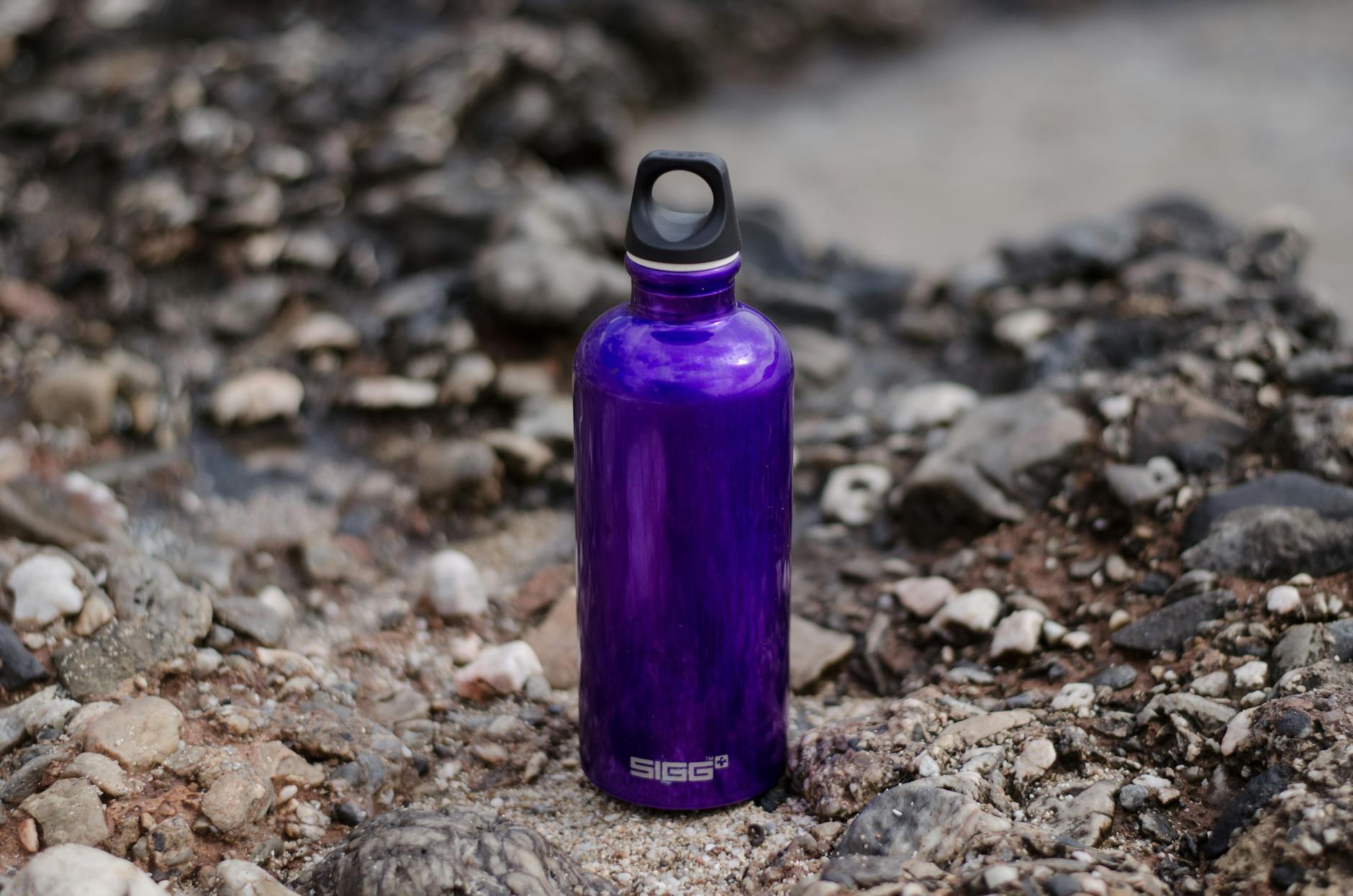
Photo by Julia Sakelli on Pexels
Beat Airport Security Hassles
Airport security can feel like a maze, especially when you’re juggling liquids. The TSA and most international agencies allow empty containers through the checkpoint, but once you’re past the metal detector, the real advantage appears: you can fill your bottle at a water station without worrying about the 100‑ml limit. This simple trick eliminates the need to purchase pricey bottled water after you’ve cleared security, and it also frees up space in your carry‑on for the essentials that truly matter.
For example, during a recent trip from Denver to Tokyo, I arrived at the gate with a 500‑ml stainless‑steel bottle that was completely empty. While waiting for boarding, I stopped at a water fountain, filled it up, and avoided the $3‑$5 bottled water that the airline usually sells. Not only did I save money, but I also skipped the line at the gate‑side vending machine, giving me more time to relax before take‑off.
Stay Hydrated Without Paying Premium Prices
Cabin air is notoriously dry, often dropping the humidity level to 10‑20 %. This can lead to dehydration, headaches, and even jet lag. Having a water bottle within arm’s reach encourages you to sip regularly, which is crucial for maintaining comfort on long‑haul flights.
Consider the case of a family of four flying from Miami to London. The parents each brought a 750‑ml empty bottle. Once on board, the flight attendant offered a complimentary water cup, which they used to fill their bottles. By the time they landed, each adult had consumed roughly 1.5 L of water, far more than the average passenger who relies on the limited cup service. The result? No post‑flight fatigue and a lighter, happier travel crew.
Reduce Plastic Waste and Save Money
Every year, airlines and airports contribute millions of single‑use plastic bottles to the landfill. By bringing an empty reusable bottle, you actively participate in a greener travel ecosystem. Many airports now feature refill stations that use filtered water, further reducing the carbon footprint associated with bottled water production and transportation.
Financially, the savings add up quickly. A typical bottled water on a domestic flight costs about $2.50. If you fly twice a month and replace just one bottle each trip, you’ll save roughly $60 a year. Multiply that by a family of three, and you’re looking at nearly $180 saved annually—money that can go toward a better seat upgrade or a memorable excursion at your destination.
Practical Tips for Packing the Perfect Empty Bottle
- Choose the right size. A 500‑ml to 750‑ml bottle fits comfortably in most personal item compartments and complies with most airline cabin baggage dimensions.
- Opt for a leak‑proof design. Stainless steel or BPA‑free plastic with a secure screw‑top prevents accidental spills during turbulence.
- Mark the bottle. Write your name or attach a colorful strap so it doesn’t get mistaken for someone else’s at the security line.
- Know the refill points. Most major airports now have water refill stations near gates, in lounges, and even in terminal restrooms. A quick search on the airport’s website before you travel can save you wandering around.
- Consider a collapsible option. If you’re a minimalist packer, a silicone collapsible bottle can be folded flat when empty, freeing up space for other gear.
Real‑world example: On a recent business trip to Singapore, I used a collapsible silicone bottle that fit inside my passport holder when empty. At Changi Airport, I filled it at a water station near Gate B20, then tucked it back into my bag without adding bulk. The convenience was priceless, especially when I had to navigate tight security lanes.
FAQ
Q1: Can I bring a glass bottle through security?
A: Yes, as long as the bottle is empty. However, glass is heavier and more fragile, so most travelers prefer BPA‑free plastic or stainless steel for durability.
Q2: Will the flight crew allow me to refill my bottle during the flight?
A: Absolutely. Flight attendants are happy to provide water on request. Simply ask for a cup, fill your bottle, and thank them for the service.
Q3: What if the airport doesn’t have a water refill station?
A: Look for a coffee shop, fast‑food outlet, or even a restroom sink. Most public restrooms have a faucet that can be used to fill a bottle. If all else fails, purchase a small bottle and pour it into your larger container—just be mindful of the 100‑ml liquid limit when passing through security.
In summary, an empty water bottle is a small, inexpensive item that delivers massive benefits: smoother security experiences, better hydration, cost savings, and a greener footprint. The next time you pack for a flight, slip that empty bottle into your bag—you’ll wonder how you ever traveled without it.
Found this helpful? Share it with fellow travelers! ✈️
0 comments:
Post a Comment