



Photo by JUNLIN ZOU on Pexels
When the Instagram feeds are flooded with glossy food stalls, the real flavors often hide in narrow alleys, under flickering neon, or behind a modest cart. As a seasoned travel writer, I’ve learned that the best street‑food experiences come when you step away from the tourist‑centric zones and follow the locals. Below are four actionable sections that will help you hunt down hidden street food, keep your wallet happy, and return home with stories worth sharing.
Why Go Off the Beaten Path?
Tourist‑heavy markets are convenient, but they come with inflated prices and sometimes watered‑down recipes. Hidden stalls, on the other hand, offer:
- Authenticity: Recipes handed down through generations, prepared exactly as locals enjoy them.
- Value: Portion sizes that satisfy without breaking the bank – often 30‑50% cheaper.
- Culture: Interactions with stall owners who love to share stories, cooking tips, and secret ingredients.
Think of it as a culinary treasure hunt: the deeper you go, the richer the reward.
How to Find the Real Local Stalls
Finding hidden gems isn’t magic; it’s a mix of research, observation, and a dash of bravery. Here are three proven methods:
- Ask the Locals: Skip the hotel concierge and chat with baristas, bike‑rental owners, or market vendors. In Bangkok, a tuk‑tuk driver once pointed me to a tiny noodle cart on Soi 38 that served the city’s best kuaitiao for 30 baht.
- Follow the Crowd (but not the tourists): Look for lines that consist mainly of locals, especially during lunch or dinner rushes. In Mexico City’s Mercado de San Juan, a modest taco stand with a steady local queue offered carnitas that rivaled any high‑end taquería.
- Use Hyper‑Local Apps: Platforms like Foodspotting, Yelp’s “Near Me”, or regional forums (e.g., Reddit r/Seoul) often feature hidden stalls that haven’t made it onto mainstream travel guides.
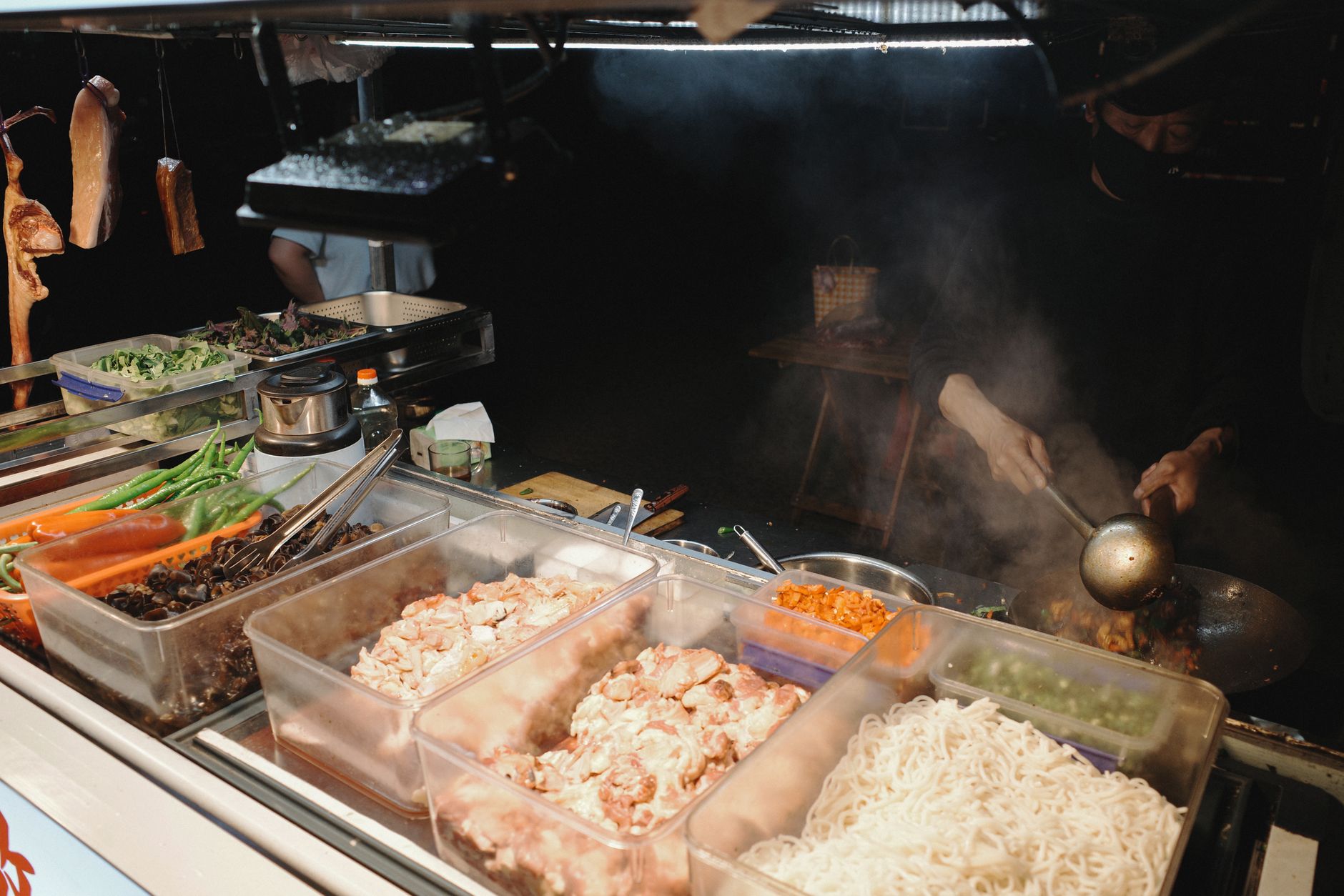
Combine these tactics with a willingness to wander a few blocks off the main road, and you’ll start spotting the subtle signs of genuine street food – a well‑worn awning, a sizzling wok, or a chalkboard menu written in the native script.
Budget‑Friendly Strategies
Even the most authentic bites can become pricey if you’re not careful. Keep your food budget under control with these practical tips:
- Set a Daily Food Cap: Allocate a specific amount (e.g., $15 USD per day) and track it on a notes app. This forces you to prioritize stalls with the best value.
- Buy in Bulk: In Seoul’s Gwangjang Market, buying a handful of bindaetteok (mung bean pancakes) from a single vendor is cheaper than ordering individually at multiple stalls.
- Share Plates: Street food is often served in generous portions. Splitting a plate of Singapore’s char kway teow with a fellow traveler halves the cost and doubles the experience.
- Carry Cash: Many hidden stalls don’t accept cards. Having local currency on hand prevents you from paying a premium for the convenience of a card‑only vendor.
These strategies let you indulge in multiple dishes without feeling the pinch.
Taste Test: Real Examples from Around the World
Below are four real‑world examples that illustrate how to spot and savor hidden street food without paying tourist rates:
- Hanoi, Vietnam – Bánh Cuốn at Quán Bánh Cuốn Bà Hanh: Tucked behind a laundromat on Hàng Bồ street, this modest shop serves steamed rice rolls for just 15,000 VND. The owner, a former teacher, learned the recipe from her grandmother and refuses to upscale.
- Lisbon, Portugal – Bifana at O Trevo: While the downtown market stalls charge €5 for a pork sandwich, a tiny kiosk in the Alfama district sells the same sandwich for €2.50, wrapped in newspaper – a local tradition that keeps costs low.
- Mexico City, Mexico – Elote at Elote Loco: A hand‑painted cart in the Colonia Roma neighborhood offers grilled corn with chili, lime, and cheese for only 30 MXN. Touristy spots in the historic center charge double for a similar treat.
- Tokyo, Japan – Takoyaki at Katsuya: In the backstreets of Shinsekai, a 10‑year‑old stall serves octopus balls at ¥300 each. The secret? They buy octopus wholesale directly from a local fish market, bypassing middlemen.
Each of these spots proves that a little research and a willingness to step off the main promenade can unlock unforgettable flavors at a fraction of the cost.
FAQ
Q: How can I ensure the street food I’m trying is safe to eat?
A: Look for stalls with a high turnover of customers – the food is fresh. Observe the cleanliness of the cooking area, and ask locals about the stall’s reputation. In many Asian cities, vendors who serve food on the same day and keep it covered are generally safe.
Q: What if I don’t speak the local language? How can I order?
A: Learn a few key phrases such as “How much?” and “I’ll have this.” Carry a small notebook with the name of the dish you want, written in the local script. Pointing to a picture on your phone also works wonders.
Q: Are there any cultural etiquette rules I should follow when eating street food?
A: Yes. In many countries, it’s polite to finish everything on your plate, as wasting food is frowned upon. In places like Thailand, avoid touching food with your left hand, and always thank the vendor with a smile or a simple “Thank you” in the local language.
By applying these tips, you’ll not only enjoy authentic flavors but also respect the local culture – a win‑win for any traveler.
Ready to ditch the overpriced tourist traps and dive into genuine street‑food adventures? Pack a sense of curiosity, a few local phrases, and let your taste buds lead the way.
Found this helpful? Share it with fellow travelers! ✈️
0 comments:
Post a Comment