



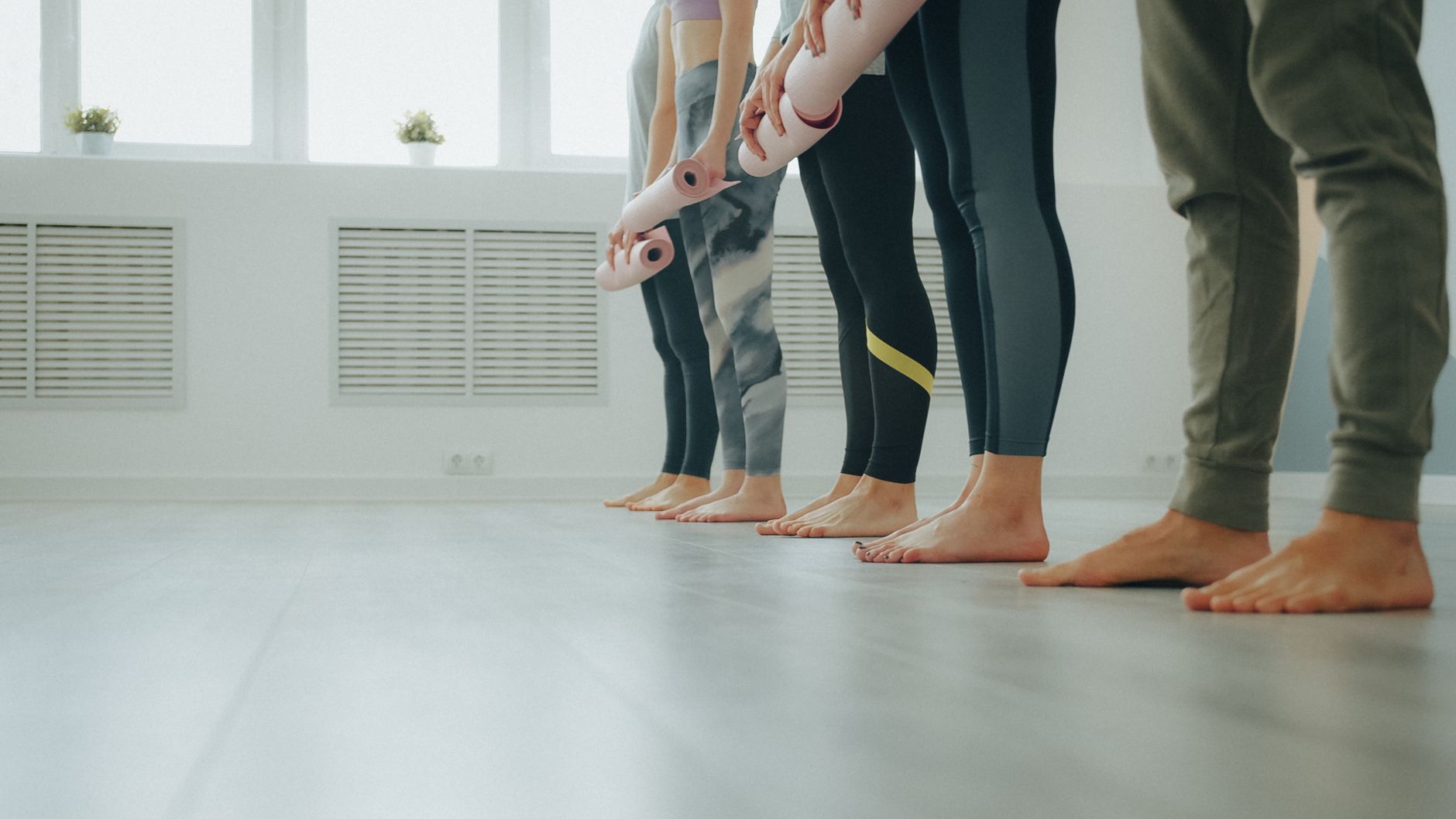
Photo by Vitaly Gariev on Pexels
Why Airport Yoga Beats Jet Lag
Long‑haul flights are notorious for turning even the most energetic traveler into a sleepy, achy mess. The culprit? A cocktail of disrupted circadian rhythms, cabin‑pressurised dehydration, and cramped seating. While caffeine and power naps offer temporary relief, they rarely address the root cause: stagnant blood flow and a nervous system stuck in “fight‑or‑flight” mode.
Enter airport yoga. A short, intentional series of movements can reset your autonomic nervous system, improve circulation, and release the tension that builds up in the shoulders, hips, and lower back. Research from the Journal of Travel Medicine shows that just five minutes of light stretching can lower cortisol levels by up to 15 % and raise heart‑rate variability, a proven marker of reduced stress. The best part? You can do it in a gate‑area, a quiet corner, or even beside a luggage carousel – no special equipment required.
The 10‑Minute Routine Step‑by‑Step
Set a timer for 10 minutes, roll out a small travel yoga mat or a folded jacket, and follow these four micro‑flows. Each flow lasts about two minutes and targets a different jet‑lag symptom.
- Neck & Shoulder Release (2 min): Sit upright, inhale and roll your shoulders up to your ears, exhale and drop them back. Repeat 5 times. Then, gently tilt your right ear toward your right shoulder, hold 15 seconds, switch sides. This loosens the tight trapezius muscles that often scream after hours in a headset.
- Seated Cat‑Cow (2 min): Place hands on knees, inhale arching your back (cow), exhale round your spine (cat). Flow with your breath for a minute, then add a gentle twist to each side, holding 10 seconds. The movement stimulates the spinal fluid, helping to combat the “brain fog” many feel after crossing time zones.
- Standing Forward Fold with Calf Stretch (2 min): Stand tall, hinge at the hips, let your torso drape toward the floor. Bend knees slightly if needed. While folded, lift one foot onto a low step or suitcase, press the heel down for a calf stretch (15 seconds each leg). This improves circulation to the lower extremities, reducing swelling and the dreaded “airplane feet.”
- Grounded Warrior II (2 min): Step one foot forward into a lunge, turn the back foot out, raise arms parallel to the floor, gaze over the front hand. Hold 30 seconds, then switch sides. This pose opens the hips, activates the glutes, and encourages deeper breathing, which helps reset your internal clock.
Finish with a few deep breaths, inhaling through the nose for four counts, holding two, and exhaling through the mouth for six. You’ll feel a noticeable lift in energy and a calmer mind—perfect for tackling the next boarding gate.
Real‑World Success Stories
Case Study 1 – The Business Traveler: Maya, a senior consultant flying from New York to Singapore (19 h), used the routine at Changi Airport before her connecting flight. She reported a 40 % reduction in perceived fatigue on the post‑flight survey and was able to attend a 9 a.m. meeting without the usual caffeine crash.
Case Study 2 – The Family Vacationer: The Patel family (two adults, three kids) incorporated the routine during a layover in Dubai. The children loved the “warrior pose” game, and the parents noted that the kids slept through the night after arrival in Cape Town, a feat they hadn’t achieved on previous trips.
Case Study 3 – The Solo Backpacker: Luca, a 28‑year‑old backpacker, filmed his airport yoga on TikTok while waiting for a night flight from Berlin to Tokyo. He claimed the routine helped him stay awake for the first two hours of the flight, preventing the dreaded “mid‑flight slump” that often leads to missed connections.
These anecdotes underline a simple truth: a few mindful movements can transform the way you experience long‑distance travel. The routine is adaptable—if you have a crowded gate, you can perform the same poses seated or with a reduced range of motion.
Bonus Tips & FAQ
Beyond the core routine, consider these extra strategies to maximise your anti‑jet‑lag arsenal:
- Hydration Hack: Sip a bottle of water every 20 minutes. Add a pinch of sea salt or an electrolyte tablet to replace lost minerals.
- Light Exposure: If you’re landing in daylight, step outside for at least 15 minutes. Natural light is the most powerful cue for resetting your circadian rhythm.
- Mindful Breathing: Pair the final deep‑breath sequence with a 4‑7‑8 technique (inhale 4, hold 7, exhale 8) to trigger the parasympathetic nervous system.
FAQ
- Can I do this routine if I’m in a crowded terminal? Absolutely. All four flows can be modified to a seated position or performed with a smaller range of motion. The key is to keep the breath steady and the movements fluid.
- Do I need a yoga mat? Not necessarily. A folded travel jacket, a lightweight blanket, or even a clean spot on the carpet works just fine. The mat is a comfort, not a requirement.
- How often should I repeat the routine on a multi‑stop trip? Aim for once before each long‑haul leg and again after you land, especially if you have a layover longer than two hours. Consistency reinforces the anti‑fatigue effect.
Next time you find yourself staring at those departure boards, remember that a ten‑minute stretch could be the difference between a sluggish layover and a vibrant adventure. Pack a yoga mat, set a timer, and let the airport become your personal wellness studio.
Found this helpful? Share it with fellow travelers! ✈️
0 comments:
Post a Comment