



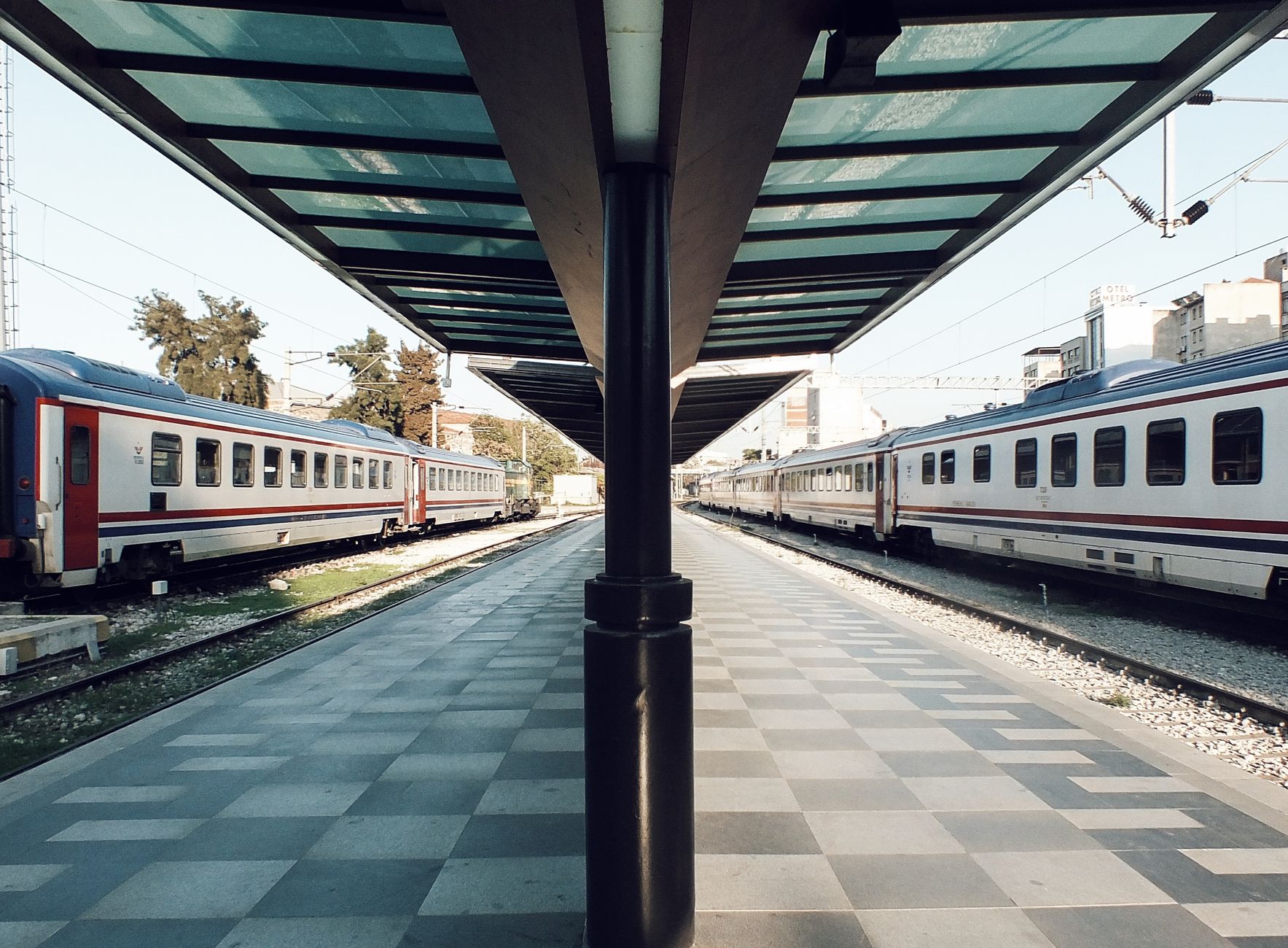
Photo by Sümeyye Alkan on Pexels
Why Proximity to Transit Matters
In the age of hyper‑connected cities, a few minutes’ walk to a subway, train or bus terminal can save you time, money, and stress. A hotel that sits directly above or beside a major hub eliminates the need for taxis, rideshares, or pricey airport shuttles, turning what would be a $15‑$30 daily expense into a free, zero‑commute experience. Moreover, staying close to transit expands your exploration radius: you can hop on a regional train to a neighboring town or catch an early‑morning metro without worrying about missing connections.
For business travelers, the advantage is even sharper. A quick 3‑minute walk from the conference venue’s subway stop means you can attend early sessions, grab a coffee, and be back at the hotel for a brief rest before the next meeting—all without the logistical headache of coordinating rides.
Researching Transit‑Connected Hotels
Finding the right property starts with a systematic search. Below are three proven research methods, each illustrated with a real‑world example:
- Map‑first approach: Open Google Maps, type the city’s main transit hub (e.g., "Grand Central Terminal" or "Berlin Hauptbahnhof"), and enable the "Nearby" filter. Look for hotels within a 200‑meter radius. Example: The Marriott Marquis New York appears just 150 m from Grand Central, offering a direct underground passage.
- Booking‑site filters: Most major platforms (Booking.com, Expedia, Airbnb) let you filter by "Near public transport" or "Railway station". Select the filter and sort by distance. Example: On Booking.com, the Royal Hotel King’s Cross is tagged as "0 min walk" to King’s Cross St Pancras.
- Local travel blogs and forums: Websites like TripAdvisor, Reddit’s r/travel, or city‑specific blogs often publish curated lists of "Transit‑friendly hotels." Example: A recent Reddit thread highlighted the Novotel Paris Gare de Lyon as a favorite for its 5‑minute walk to the Lyon station.
When you spot a candidate, verify the exact walking distance using the street view feature. A claimed "5‑minute walk" can sometimes be a 12‑minute slog if the route includes stairs or busy roads.
Booking Strategies for Zero Commute
Once you have a shortlist, apply these tactics to lock in the best rate and guarantee the transit‑adjacent room:
- Book directly with the hotel: Many chains offer a "Transit Advantage" guarantee on their own websites, promising the lowest price plus a free shuttle if the property is farther than 500 m from the hub. Example: Hilton’s "City Center" brand lists a "Walk‑to‑Station" badge on its booking page.
- Leverage loyalty points: If you’re a member of a hotel loyalty program, use points to upgrade to a room with a better view of the platform or a dedicated entrance. At the Hyatt Regency Tokyo, members can secure the "Station View" floor for free.
- Check cancellation policies: Opt for a free‑cancellation rate. Transit construction can temporarily close entrances; a flexible policy lets you switch to a nearby property without penalty.
- Use price‑watch tools: Set alerts on Google Flights or Kayak for the hotel’s name. Prices often dip 10‑15 % a week before check‑in, especially for business‑travel heavy cities like London.
- Ask for a specific room type: When you call the hotel after booking, request a "platform side" or "ground‑floor" room. Real‑world success: A traveler staying at the InterContinental Berlin secured a room with a direct window onto the S‑Bahnhof after a polite phone request.
Making the Most of Your Transit‑Adjacent Stay
Securing the room is only half the win; now turn the location into a daily advantage.
- Morning runway: Set your alarm to the station’s first departure time. Because you’re only a few steps away, you can catch the earliest train without rushing, saving both time and the cost of a taxi to the station.
- Evening exploration: Many transit hubs have vibrant night‑life zones—think food markets, rooftop bars, or cultural performances. The Hilton Osaka sits above Namba Station, giving guests instant access to the bustling Dotonbori district after sunset.
- Free luggage storage: Some stations (e.g., Paris Gare du Nord) offer 24‑hour lockers. If your flight departs late, you can check out, store your bags, and enjoy a final stroll without hauling luggage.
- Local commuter passes: Purchase a day or week pass at the station kiosk. Because you’re already there, you avoid the tourist surcharge often applied at airport kiosks.
FAQ
Q1: Will I always get a room that directly faces the station?
A: Not guaranteed, but most large hotels label their "Station View" or "Platform Side" rooms. Call ahead and ask; staff usually accommodate the request if availability permits.
Q2: Are transit‑adjacent hotels more expensive?
A: Prices vary by city, but the savings on transport often outweigh a modest premium. In Tokyo, a station‑side hotel may cost $20‑$30 more per night, yet you eliminate a $15 taxi each way.
Q3: What if the transit hub undergoes construction?
A: Check the hub’s official website for service alerts before you travel. If major work is scheduled, consider a hotel within a short bus ride; many cities maintain free shuttle services during disruptions.
Found this helpful? Share it with fellow travelers! ✈️
0 comments:
Post a Comment