



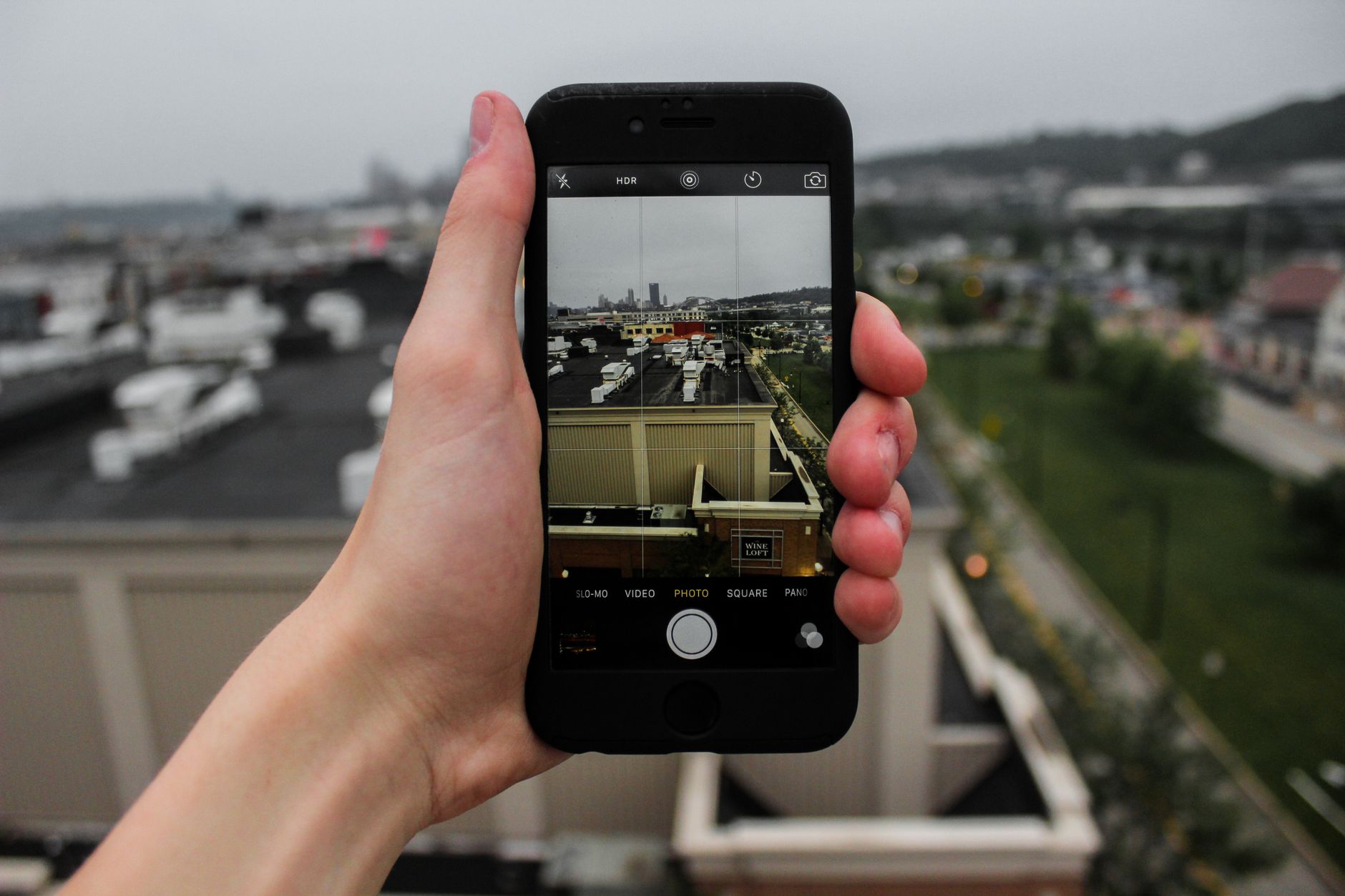
Photo by Jeremy Levin on Pexels
How to Stay Connected Abroad Without Paying Roaming Fees
Whether you’re chasing sunrise over the Andes or navigating the subway in Tokyo, staying online is no longer a luxury—it’s a necessity. Yet traditional roaming charges can turn a simple map lookup into a pricey surprise. Below are four proven strategies, complete with real‑world examples, that let you keep the Wi‑Fi signal strong without draining your travel budget.
1. Choose the Right Local SIM Card
In most countries, a local SIM costs far less than any roaming plan. The key is to pick a provider that offers a good blend of coverage, data speed, and price.
- Europe: In Spain, Orange sells a 10 GB prepaid pack for €15 (≈$16). It works in Portugal and France as well, making it ideal for a multi‑country itinerary.
- Southeast Asia: Thailand’s AIS offers a 5 GB 30‑day SIM for 299 THB (≈$9). The network is strong in Bangkok and the islands, and the SIM can be ordered online and delivered to your hotel.
- United States: T‑Mobile provides a tourist SIM with 10 GB for $30, valid for 30 days. It includes unlimited texting to any US number, which is handy for staying in touch with local contacts.
Before you land, research the provider’s online reviews and verify that your phone is unlocked. Once you have the SIM, insert it, restart, and you’re ready to browse, stream, and video‑call without a single roaming charge.
2. Leverage Portable Wi‑Fi Hotspots
For groups or travelers who need multiple devices online, a pocket‑size hotspot can be a game‑changer. These devices buy a data bundle from a local carrier and broadcast a private Wi‑Fi network.
Real‑world example: A family of four visiting Berlin rented a Skyroam hotspot for $9/day, which gave them 10 GB of data shared across two phones, two tablets, and a laptop. The total cost was under $70 for a ten‑day trip—far cheaper than three separate roaming plans.
When selecting a hotspot, consider:
- Battery life (look for 8‑hour minimum).
- Supported bands (make sure the device works on the local LTE frequencies).
- Data caps vs. unlimited plans (unlimited often comes with a fair‑use limit of 10‑15 GB).
Many airports now have kiosks where you can pick up a hotspot on arrival, or you can order one online and have it shipped to your home address for pick‑up.
3. Use Apps That Bypass Traditional Data
Some apps let you make calls, send messages, or even browse the web using only a Wi‑Fi connection. When you combine these with free Wi‑Fi spots, you can stay completely off the cellular grid.
- WhatsApp, Telegram, Signal: All work over Wi‑Fi and use end‑to‑end encryption, perfect for staying in touch with family back home.
- Google Maps Offline: Download city maps before you leave. You’ll still need a small amount of data to refresh traffic, but the bulk of navigation works offline.
- Wi‑Fi calling: Both iOS and Android support carrier‑agnostic Wi‑Fi calling. Enable it in your phone settings and you can place regular‑number calls over any secure Wi‑Fi network.
- Free VPNs for public Wi‑Fi: Use a reputable free VPN (e.g., ProtonVPN’s free tier) to encrypt your connection when you’re on airport or café Wi‑Fi.
Pro tip: Install a Wi‑Fi finder app such as Wi‑Fi Map before you travel. It shows the locations of free hotspots in real time, letting you plan coffee‑break stops that double as data‑refuel points.
4. Manage Your Data Smartly
Even with a local SIM or hotspot, data can disappear quickly if you don’t keep an eye on usage.
- Turn off background sync: In iOS go to Settings → General → Background App Refresh; in Android go to Settings → Apps → Data usage and restrict.
- Set data limits: Both iOS and Android let you set a warning threshold (e.g., 80% of your plan). When you hit it, the phone will alert you.
- Use data‑saving browsers: Opera Mini compresses pages up to 90%, dramatically lowering consumption.
- Disable auto‑play videos: In YouTube, go to Settings → Playback and turn off auto‑play. On Instagram and Facebook, switch off “Videos on Wi‑Fi” in the app settings.
By combining these habits with a modest local data package (5‑10 GB is usually enough for a week of moderate use), you’ll rarely see a surprise bill.
Frequently Asked Questions
Do I need to unlock my phone before traveling?
Yes. An unlocked device can accept any carrier’s SIM. If your phone is still locked to a carrier, contact them weeks ahead of your trip and request an unlock code. Most major carriers will do it for free after you’ve fulfilled contract terms.
Is it safe to use public Wi‑Fi in foreign countries?
Public Wi‑Fi is convenient but can be insecure. Always use a VPN, avoid logging into banking apps, and enable two‑factor authentication on your accounts. For the safest experience, pair public Wi‑Fi with your own hotspot when possible.
What if I travel to multiple countries in a short period?
Consider a regional SIM (e.g., a European “EU‑wide” SIM) or an eSIM that lets you switch profiles without swapping physical cards. Providers like Airalo and GigSky sell eSIM data packs that cover dozens of countries and can be activated instantly from your phone.
Staying connected abroad doesn’t have to mean paying premium roaming fees. By picking the right SIM, leveraging a portable hotspot, using Wi‑Fi‑first apps, and keeping a tight handle on data consumption, you can explore the world with confidence—and keep your wallet happy.
Found this helpful? Share it with fellow travelers! ✈️
0 comments:
Post a Comment