



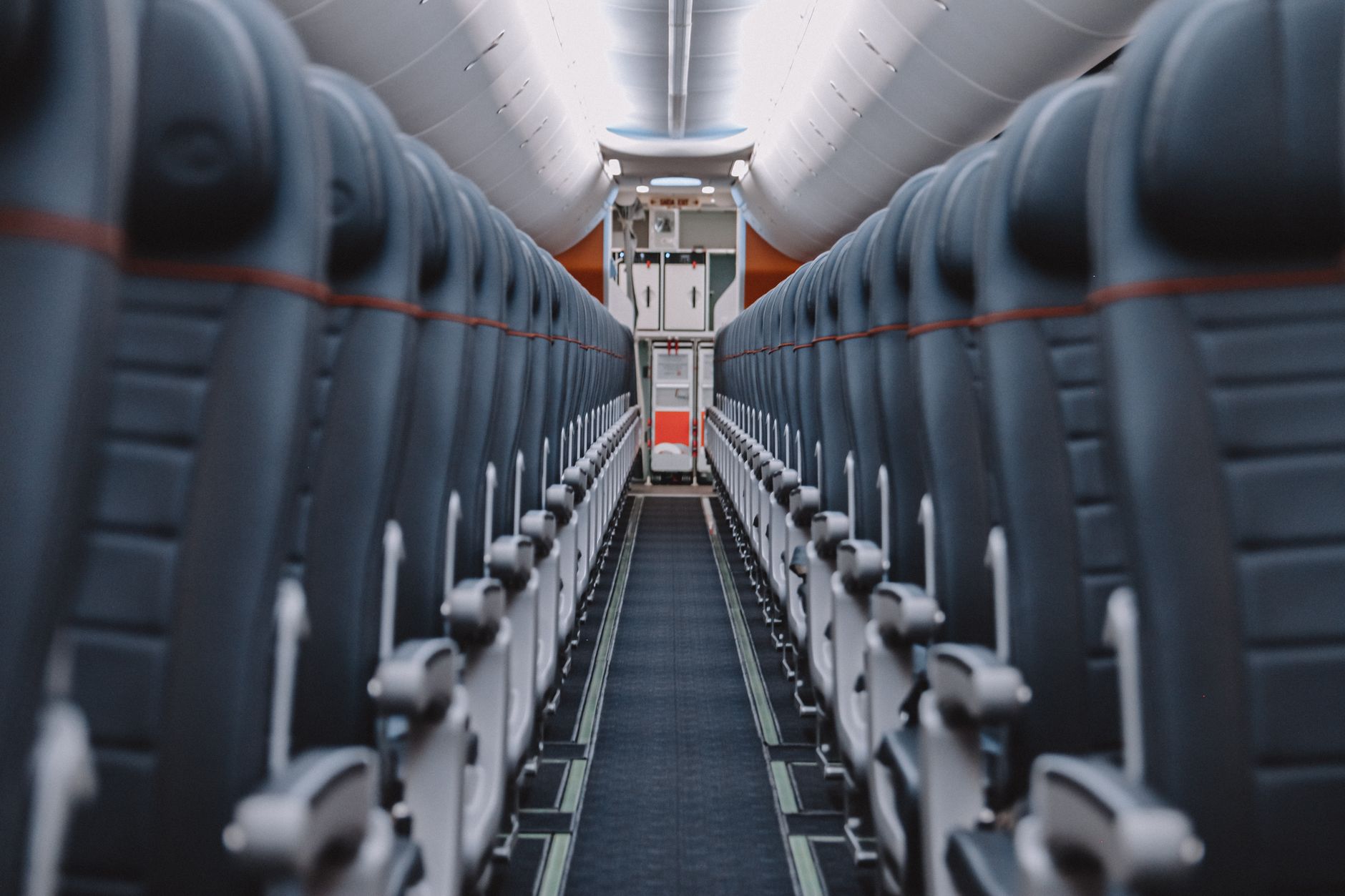
Photo by Natã Romualdo on Pexels
Quick 3‑Minute Stretch Routine to Beat Jet Lag Every Flight
Long hauls, time‑zone jumps, and cramped seats are the perfect recipe for jet lag. The good news? You don’t need a gym or a long lay‑over to reset your body clock. A focused three‑minute stretch, performed right in your seat, can boost circulation, release tension, and signal to your nervous system that it’s time to stay alert. Below is a step‑by‑step guide, real‑world examples, and answers to common questions so you can make the most of every flight, whether it’s a 30‑minute hop or a 12‑hour intercontinental marathon.
Why Jet Lag Happens and How a Quick Stretch Helps
Jet lag is essentially a mismatch between your internal circadian rhythm and the local time at your destination. When you sit still for hours, blood pools in your lower limbs, muscles stiffen, and the body’s natural alertness cues dim. Research shows that brief, dynamic movements increase heart‑rate variability, improve oxygen flow, and can reset the suprachiasmatic nucleus—the brain’s master clock.
In practice, a short stretch does three things:
- Re‑energizes muscles: Activating the calf, hamstring, and shoulder groups prevents the “pins‑and‑needles” feeling that often follows a long flight.
- Boosts circulation: A few seconds of ankle pumps and torso twists move blood back toward the heart, reducing swelling and fatigue.
- Signals wakefulness: The nervous system interprets movement as a cue to stay alert, helping you adapt faster to the new time zone.
Because the routine only takes 180 seconds, it fits neatly between safety briefings, snack services, or even during a brief turbulence lull.
The 3‑Minute In‑Seat Stretch Routine
Set aside three minutes—ideally once every two to three hours—to run through the following sequence. Each move is designed for the limited space of a standard economy seat, no special equipment required.
- Ankle Pumps (30 seconds): Lift your heels off the floor, keeping toes planted, then lower. Alternate 15 seconds each foot. Example: On a flight from New York to London, I performed ankle pumps during the first beverage service and felt noticeably less swelling by the time we entered the descent.
- Seated Cat‑Cow (45 seconds): Place hands on your knees. Inhale, arch your back (cow), push your chest forward, and look up. Exhale, round your spine (cat), tucking the chin. Repeat 8‑10 times. Example: A colleague uses this move while watching a movie; the rhythmic motion keeps her spine supple and reduces lower‑back ache.
- Shoulder Rolls (30 seconds): Lift shoulders toward ears, roll them back, then down. Perform 10 slow rolls, then reverse direction. Example: During a 6‑hour domestic flight, I rolled my shoulders after the first hour of work on my laptop; it prevented the tightness that usually builds after typing.
- Seated Hamstring Stretch (45 seconds): Extend one leg straight, heel on the floor, toes up. Gently hinge at the hips, reaching toward your toes. Hold for 20 seconds, switch legs. Example: On a red‑eye to Tokyo, I did this stretch just before landing; the hamstrings felt looser, making the airport walk feel easier.
- Neck Release (30 seconds): Tilt head right, bringing ear toward shoulder, hold 10 seconds; repeat left. Then gently turn head to look over each shoulder, holding 5 seconds each side. Example: After a turbulent segment, this quick neck release helped me avoid the stiff neck that often follows prolonged tension.
That’s all—180 seconds of movement that can dramatically improve how you feel on arrival.
When and How to Fit the Routine into Different Flights
Short hops (under 2 hours): Perform the routine once after take‑off. The brief activity combats the immediate stiffness that can set in as soon as you’re seated.
Medium flights (2‑6 hours): Schedule the stretch at the 1‑hour and 4‑hour marks. Use the airline’s cabin announcements as reminders, or set a silent alarm on your phone.
Long‑haul flights (6+ hours): Break the routine into three cycles: after take‑off, midway, and an hour before landing. Pair the final cycle with a glass of water to aid hydration, which further reduces jet‑lag symptoms.
Practical tip: Keep a small card on the seat pocket with the five move names and timing. On a recent 14‑hour flight to Sydney, I tucked the card into the pocket; every time a flight attendant passed by, I’d glance at it and stay on track without missing service.
For families traveling with children, demonstrate the moves and turn them into a “flight game.” Kids love the novelty of “stretching like a giraffe” (the seated hamstring stretch) and it keeps them occupied, reducing the need for constant walk‑around requests.
FAQ
- Can I do this routine if I’m in a premium seat with more space?
- Absolutely. The extra legroom lets you extend the hamstring stretch further, and you can even add a gentle seated twist with both arms reaching overhead for a deeper spine mobilization.
- What if the seat belt sign is on?
- Most of the moves are low‑impact and can be performed with the seat belt fastened. Ankle pumps, shoulder rolls, and neck releases are safe. Skip the hamstring stretch until the sign is off.
- Is this routine safe for people with back problems?
- Yes, but modify the seated cat‑cow by moving only within a comfortable range. If you have severe spinal issues, consult your physician before flying and consider a seated pelvic tilt instead of full cat‑cow.
By incorporating this quick 3‑minute stretch routine into every flight, you’ll arrive feeling more refreshed, less swollen, and better aligned with your destination’s time zone. Give it a try on your next trip and notice the difference within minutes. Safe travels!
Found this helpful? Share it with fellow travelers! ✈️
0 comments:
Post a Comment