



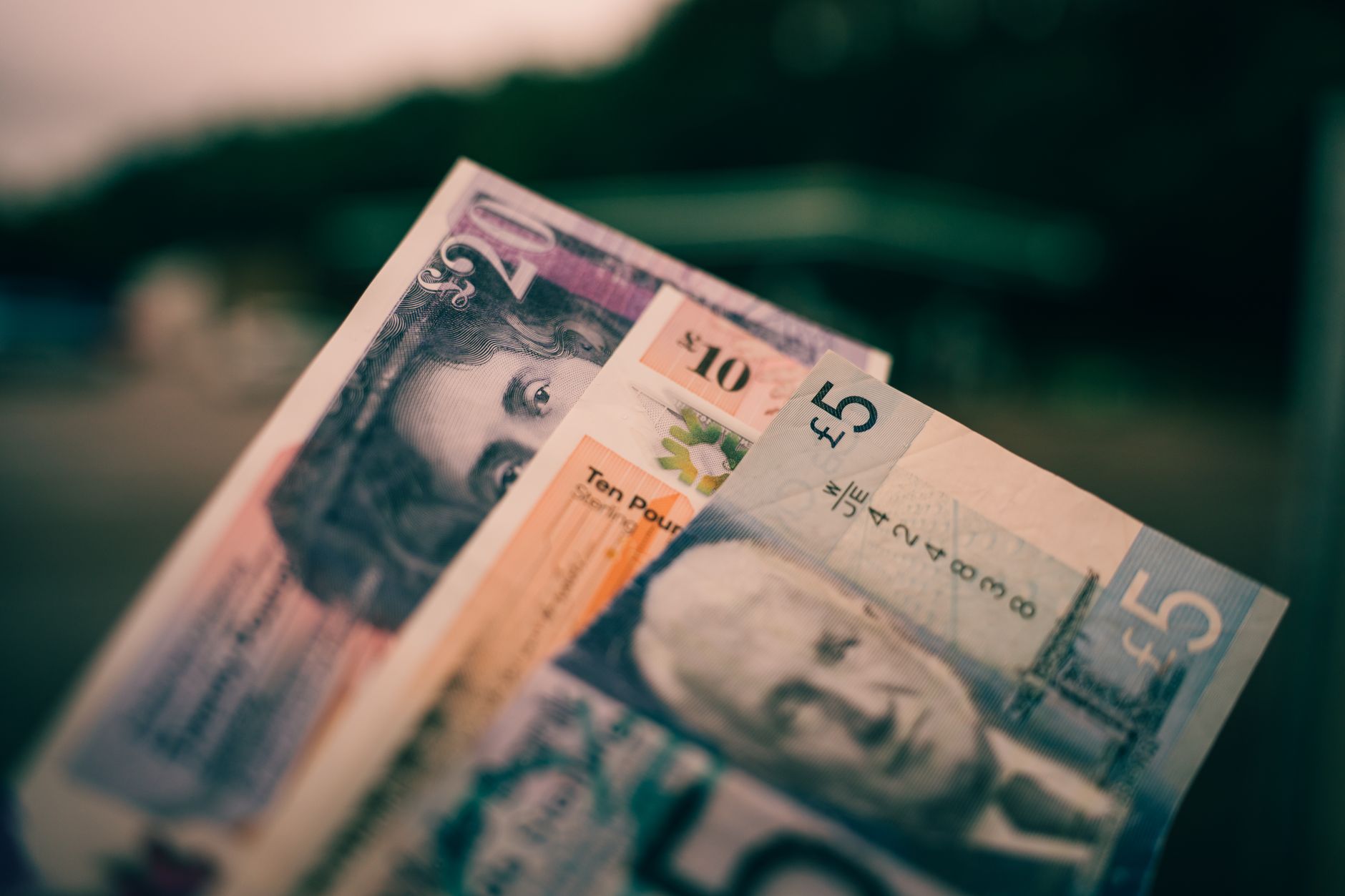
Photo by Clément Proust on Pexels
Understanding Exchange Rates: The Basics You Need to Know
Exchange rates are the price you pay to convert one currency into another. They fluctuate every few seconds based on market forces, political events, and economic data. The rate you see on a news site or Google is usually the mid‑market rate, also called the interbank rate, which banks trade among themselves. Retail providers—airports, hotels, and many banks—add a markup to this base rate, which is where most travelers lose money.
Actionable tip: Before you travel, check the current mid‑market rate on sites like XE.com or OANDA. Write down the figure and use it as a benchmark when you compare offers. For example, if the mid‑market rate for USD to EUR is 0.9100 and a currency kiosk offers 0.8850, you are paying a 2.75% markup.
Understanding this spread helps you spot overpriced offers instantly, allowing you to negotiate or walk away.
Where to Exchange: Best Options for Every Budget
Not all exchange points are created equal. Here are the four most common places you’ll encounter, ranked from most to least cost‑effective.
- Local banks in the destination country: Typically offer rates within 0.5‑1% of the mid‑market. Example: A traveler from the U.S. swapped $500 at a Berlin branch of Deutsche Bank and received €455, only a 0.8% markup.
- Online forex platforms (e.g., Wise, Revolut): These services lock in near‑mid‑market rates and charge a small, transparent fee (often 0.3‑0.5%). A UK tourist used Wise to convert £1,000 to Thai Baht and saved £5 compared to the airport kiosk.
- Airport or hotel kiosks: Convenience comes at a price—usually 3‑5% above the mid‑market. If you need cash immediately on arrival, limit the amount to cover immediate expenses and exchange the rest later.
- Street money changers: Some offer attractive rates, but the risk of counterfeit bills and hidden commissions is high. Only use them if you have verified their reputation through local forums.
Actionable tip: Plan to exchange the bulk of your money at a reputable bank or online service, and keep a small emergency amount for the first few hours of arrival.
Timing and Tools: How to Lock in the Best Rate
Currency markets move in trends. While you can’t predict every swing, you can reduce exposure by using a few smart strategies.
- Set rate alerts: Apps like XE or OANDA let you set a target rate. When the market hits your target, you receive a notification—perfect for pre‑booking a transfer.
- Use forward contracts (for long trips): Services such as CurrencyFair allow you to lock in today’s rate for a future date, protecting you from adverse movements.
- Exchange in small batches: If you’re traveling for several months, exchange a portion each month. This “dollar‑cost averaging” smooths out peaks and troughs.
Real‑world example: A Canadian backpacker heading to Japan set a rate alert at 0.0075 CAD per JPY. When the rate dipped to 0.0074, he transferred half his budget via Wise, saving roughly CAD 30 on a CAD 2,000 exchange.
Avoiding Hidden Fees: The Fine Print That Eats Your Money
Even when the exchange rate looks good, hidden fees can sabotage your savings.
- Commission vs. spread: Some providers advertise “zero commission” but embed a larger spread. Always compare the offered rate to the mid‑market rate.
- Card transaction fees: Using a debit or credit card abroad often incurs a foreign‑transaction fee (usually 1‑3%). Choose a card that waives this fee, like certain travel‑focused credit cards.
- ATM withdrawal fees: Local ATMs may charge a flat fee (e.g., $3‑$5). Some banks reimburse these fees if you meet a monthly spending threshold.
- Minimum fees: Some exchange services charge a flat $10 minimum, which can be costly on small transactions.
Actionable tip: Before you travel, contact your bank to ask about overseas fees, and consider applying for a no‑foreign‑transaction‑fee card. Keep a spreadsheet of each exchange you make, noting the rate, fees, and net amount received; this helps you spot patterns and negotiate better deals.
FAQ
1. Is it better to exchange money before I leave or after I arrive?
Generally, exchanging a small amount before you leave (for immediate needs) and the bulk after arrival at a local bank or reputable online service yields the best rates. Airports and hotels should be used only for emergencies.
2. Can I use my credit card for everyday purchases abroad without losing money?
Yes, if your card has no foreign‑transaction fees and uses the Visa or Mastercard interbank rate. Pay in the local currency, not your home currency, to avoid dynamic currency conversion fees.
3. What should I do if I receive counterfeit bills?
Immediately report the incident to the local police and your embassy. Keep the original receipt from the exchange point, as it can help authorities trace the source. In the future, use well‑lit, reputable locations and count your money before leaving the counter.
Found this helpful? Share it with fellow travelers! ✈️
0 comments:
Post a Comment