



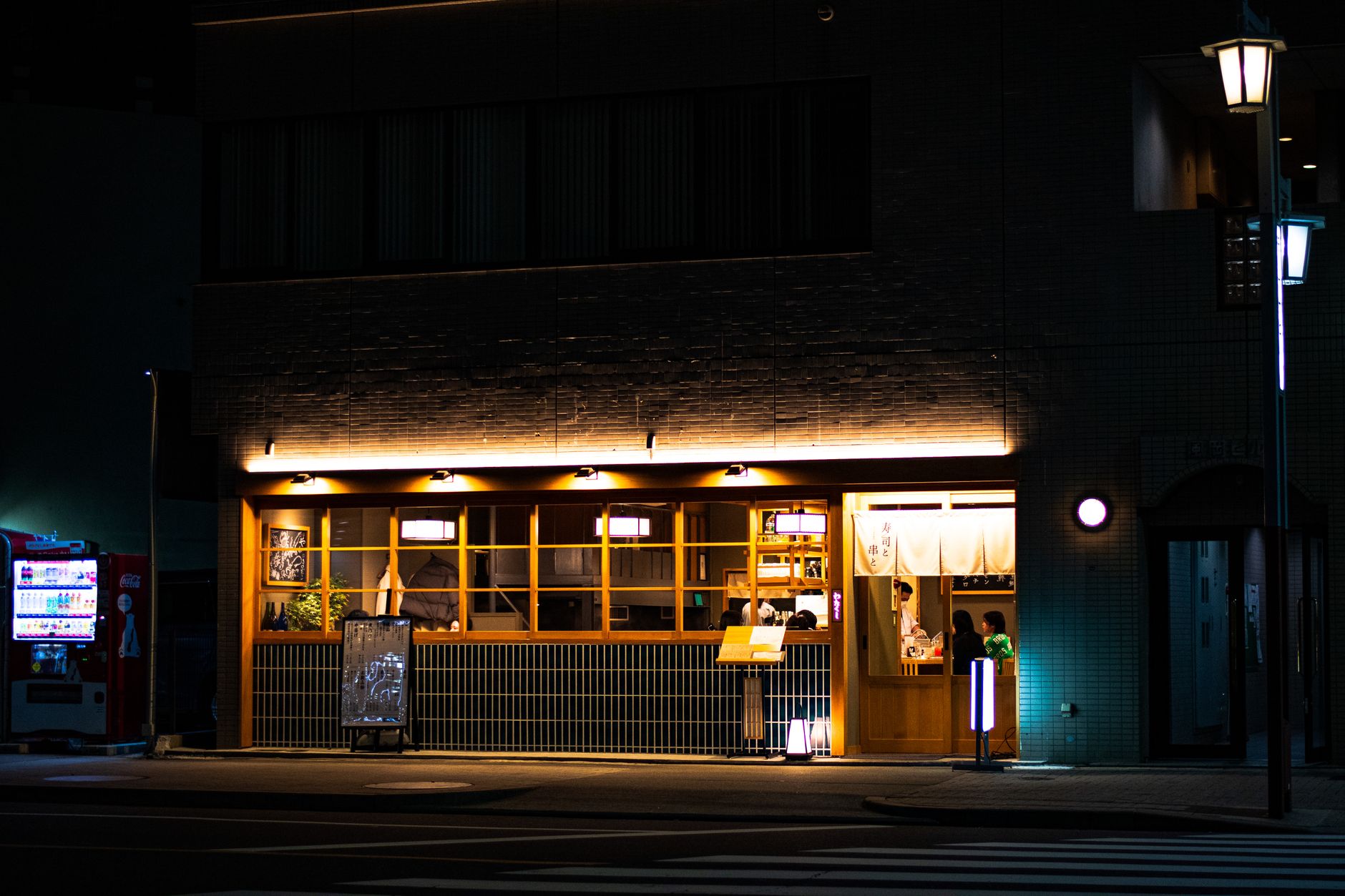
Why Omakase Is More Than Just a Menu
In Tokyo, omakase (literally “I’ll leave it up to you”) is a culinary ritual. It’s not merely a list of dishes; it’s a conversation between chef and diner, a showcase of seasonal fish, technique, and the chef’s personality. Locals treat omakase as a performance, and the way they order— or rather, don’t order— signals respect and enhances the experience.
Understanding the subtle dance of ordering helps you blend in, avoid common faux pas, and, most importantly, let the chef surprise you with the best the market has to offer.
Step 1: Choose the Right Spot and Timing
Tokyo’s omakase scene ranges from tiny counter‑only sushi bars in Ginza to high‑end establishments in Roppongi. Here’s how locals decide:
- Reservation etiquette: Call or use the restaurant’s online system at least a week in advance. Mention the number of guests and any dietary restrictions, but avoid demanding a specific fish.
- Time of day: Lunch omakase (often 12‑2 pm) offers the same quality at a lower price. Dinner slots (7‑9 pm) are more relaxed but tend to be busier.
- Seasonal awareness: Check what’s in season—e.g., sanma (Pacific saury) in autumn, kani (crab) in winter. Restaurants will highlight these on their website or social media.
Example: When I booked a 2‑person lunch omakase at Sushi Kaneko in Shibuya for early October, the host confirmed “We’ll feature autumn‑catch tuna and sanma today.” I arrived with a light appetite, ready for the chef’s surprise.
Step 2: Master the Seating and Communication
At a traditional counter, the chef will often ask a simple question in Japanese: "Ikaga desu ka?" (How are you?). The local response is a brief nod or a polite "Hai, onegaishimasu" (Yes, please). This signals you’re ready for the omakase flow.
Key actions:
- Use minimal English: A quick "Omakase onegaishimasu" is enough. If you need water, say "Mizu kudasai".
- Observe the chef’s rhythm: When the chef presents a piece, they may pause. Taste it fully before moving on; this shows appreciation.
- Signal satisfaction subtly: A gentle nod, a smile, or a soft "oishii" (delicious) after a standout bite encourages the chef to keep the momentum.
Real‑life tip: During my dinner at Sushi Miyakawa, the chef placed a small piece of uni on a spoon and said, "Kore wa, kyou no saiko desu." (This is today’s best). I whispered "oishii" and the chef smiled, then offered a second, slightly larger piece as a thank‑you.
Step 3: Know the Unspoken Ordering Rules
Even though omakase means “chef decides,” locals still convey preferences without breaking the flow. Here’s how:
- Allergies or strong dislikes: Mention them at the start. Example: "Nori ga arimasen?" (No seaweed?) If you’re allergic to shellfish, say "Kani wa daijobu desu ka?" (Is crab okay?) and wait for confirmation.
- Portion control: If you’re full, a quiet "Mou ii desu" (I’m good) after a course signals the chef to stop. Locals rarely say "stop" outright; they trust the chef’s intuition.
- Appreciation gestures: A small tip (10‑15% of the bill) is not customary in Japan, but leaving a handwritten thank‑you note in the box is highly appreciated and seen as a local practice.
Example scenario: At a sushi bar in Tsukiji, I was served a piece of eel that I’m not fond of. I whispered "Sumimasen, chotto..." (Excuse me, a little…) and the chef immediately swapped it for a fresh slice of toro, smiling at my subtle cue.
FAQ – Quick Answers for First‑Timers
Q1: Do I need to speak Japanese to order omakase?
A: No. A simple "Omakase onegaishimasu" and a polite "Arigatou" are enough. Most chefs understand basic English, and they appreciate the effort to use Japanese.
Q2: Can I request a specific fish if I’m a fan?
A: It’s best to avoid specific requests during the meal. You can ask about the day's catch when you make the reservation, but once seated, let the chef surprise you.
Q3: How much should I budget for a typical omakase experience?
A: Lunch omakase ranges from ¥3,000‑¥6,000 per person, while dinner can be ¥8,000‑¥20,000 depending on the venue. Add about ¥1,000‑¥2,000 for drinks and taxes.
By following these insider tips—choosing the right time, mastering minimal Japanese, and respecting the chef’s rhythm—you’ll blend seamlessly into Tokyo’s omakase culture and enjoy a dining experience that locals treasure.
Found this helpful? Share it with fellow travelers! ✈️
0 comments:
Post a Comment