



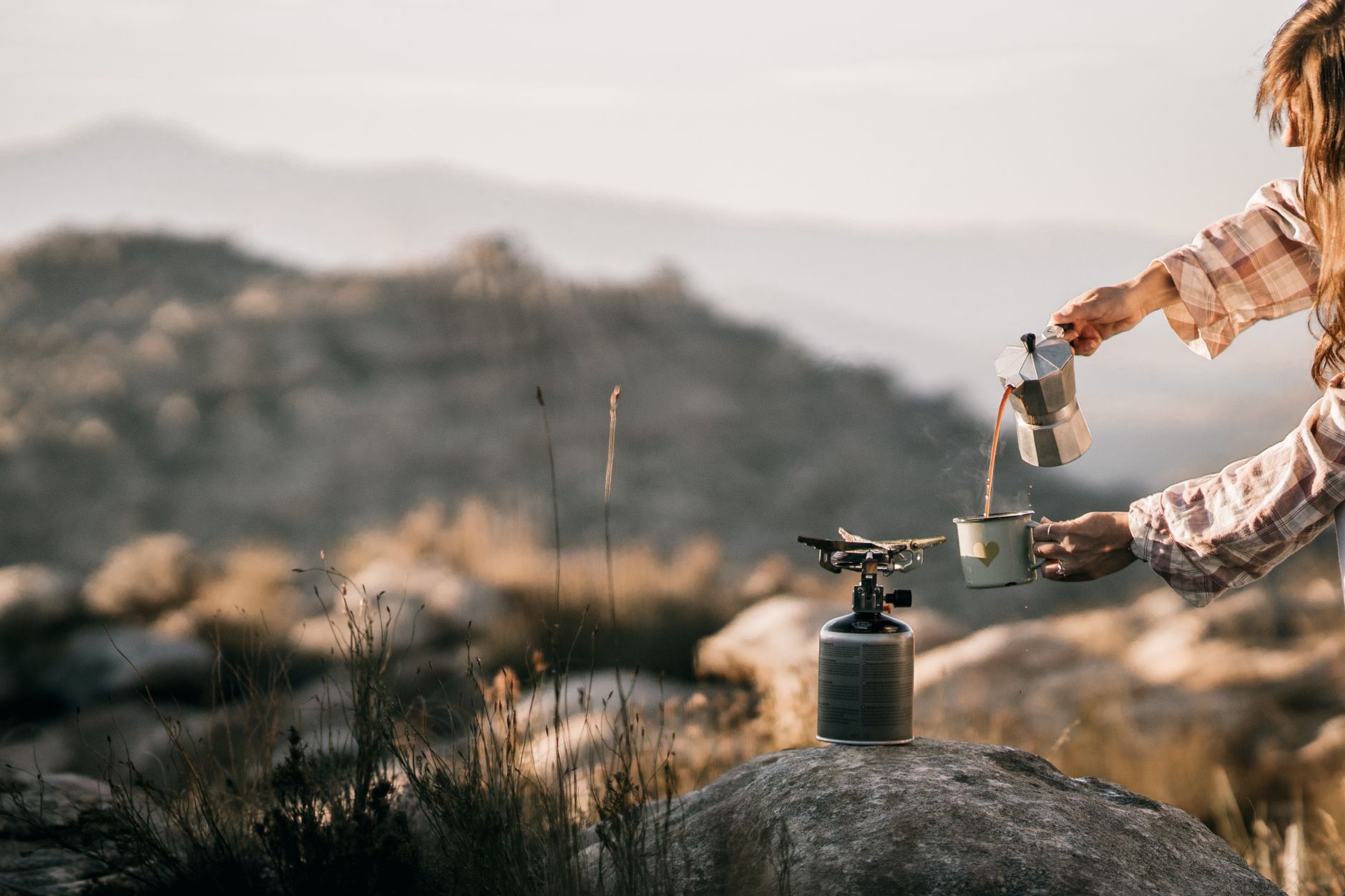
Photo by Taryn Elliott on Pexels
Why a 3‑Minute Pause Matters for Solo Explorers
Traveling alone is exhilarating, but it also means you carry every decision, worry, and reaction on your own shoulders. Research shows that even a brief, intentional mental reset can lower cortisol, sharpen focus, and improve emotional resilience. A three‑minute pause each morning creates a mental buffer that helps you notice stress before it spirals, turning anxiety into actionable awareness.
Think of the pause as a portable “mental compass.” When you start the day with clarity, you’re more likely to choose safe routes, negotiate better deals, and respond calmly to unexpected hiccups—whether it’s a missed train or a language barrier.
- Speed: Only 180 seconds, so it never feels like a time‑drain.
- Science: Grounded‑in‑breath techniques trigger the parasympathetic nervous system, reducing heart‑rate variability.
- Portability: No equipment needed; you can do it on a balcony, in a hostel lobby, or even on a moving bus.
The Simple 3‑Minute Routine You Can Do Anywhere
Below is a step‑by‑step guide that fits into any travel schedule. Each step is designed to be concrete, measurable, and easy to repeat.
- Set a timer for 180 seconds. Use your phone, a watch, or a small travel timer. The hard stop prevents the practice from stretching into a longer, less sustainable habit.
- Ground yourself with a sensory anchor. Look out a window, feel the texture of your pillow, or sip a warm drink. Naming three sensations (sight, touch, taste) pulls you into the present moment.
- Three deep breaths. Inhale for a count of four, hold for two, exhale for six. This rhythm activates the vagus nerve, instantly calming the nervous system.
- State a micro‑intention. Instead of a vague “I’ll have a good day,” choose a specific, travel‑related focus, such as “I will ask locals for one hidden‑gem recommendation today.” Write it on a sticky note or whisper it to yourself.
- Visualize success. Spend the remaining seconds picturing yourself navigating a potential stressor—like finding a lost luggage tag—while staying calm and resourceful.
When you finish, open your eyes, stretch, and note one word that captures how you feel (e.g., "centered," "ready"). This single word becomes a mental cue you can recall later if stress spikes.
Real‑World Solo Travel Scenarios Where the Pause Saves the Day
Scenario 1: The Missed Connection
Maria was traveling alone in Bangkok when her train to Chiang Mai was delayed by an hour. Instead of panicking, she used her 3‑minute pause at the station. After grounding herself and setting the intention “I will find a comfortable café and plan my next steps,” she discovered a quiet coworking space, booked a last‑minute bus, and even made a new friend who offered a local tip about a night market. The pause turned a stressful wait into a productive, enjoyable interlude.
Scenario 2: Navigating a Language Barrier
James, a solo backpacker in Lisbon, needed directions to a hidden viewpoint. He felt the usual rush of embarrassment. By taking his routine—deep breaths and a quick visual of himself confidently asking for help—he approached a local vendor with a smile. The vendor not only gave clear directions but also suggested a lesser‑known tram stop that saved James ten minutes of walking.
Scenario 3: Managing Solo Nighttime Safety
Elena arrived late at a hostel in Medellín. The streets were dim, and she felt a spike in anxiety. Her 3‑minute pause reminded her to scan the environment (sights, sounds, smells) and set the intention “I will lock my door, check the emergency exits, and call my friend to confirm I’m safe.” The simple act of verbalizing her safety plan reduced her heart rate and gave her the confidence to lock the door and settle in without lingering fear.
These examples illustrate how a brief mental reset can shift perception, improve decision‑making, and create space for creative solutions—essential tools for any solo traveler.
FAQ
Q1: I’m not a morning person. Can I do the pause later in the day?
A: Absolutely. The technique works whenever you feel stress building—mid‑afternoon at a café, before a night bus, or even after a long hike. The key is consistency; aim for three minutes at the first sign of tension.
Q2: What if I forget to set the timer?
A: Pair the pause with an existing habit—like brushing your teeth, making coffee, or unlocking your hostel door. The habit cue acts as a natural reminder, and the timer becomes a backup.
Q3: Can the pause help with chronic travel anxiety, not just momentary stress?
A: Yes. Over time, the pause rewires neural pathways associated with threat perception. Regular practice (daily for at least two weeks) has been shown to lower baseline anxiety levels, making you more resilient on longer trips.
Found this helpful? Share it with fellow travelers! ✈️
0 comments:
Post a Comment