



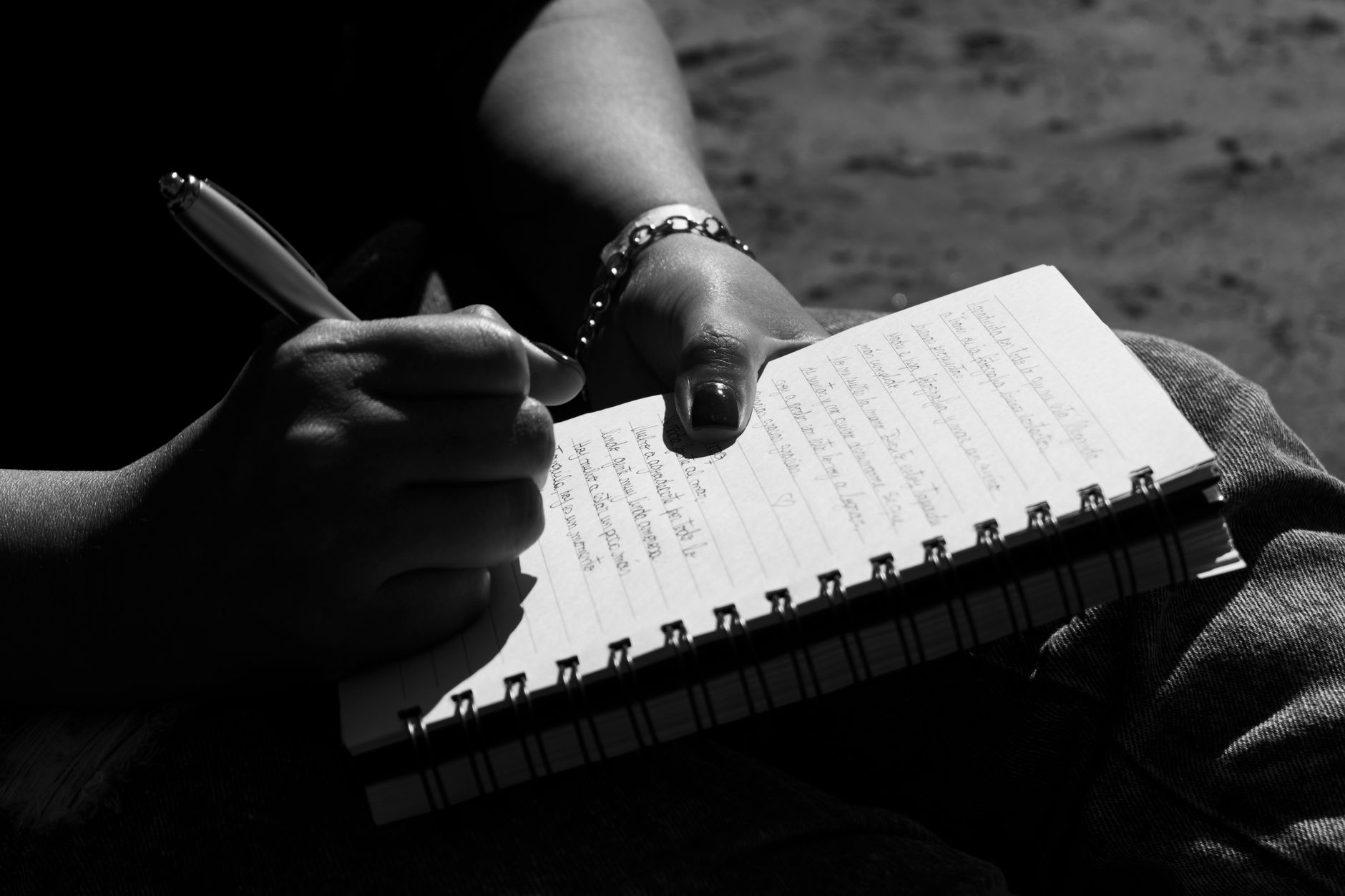
Photo by Gimena Sotomayor on Pexels
Why a 5‑Minute Nightly Journal Works for Solo Travelers
Solo travel can feel like stepping onto a stage without a script. Every new city, every unexpected detour, and every quiet night alone offers a chance to learn about yourself. The key is turning those moments into confidence‑building fuel. A five‑minute nightly journaling habit does exactly that: it captures insights, celebrates small wins, and rewires the brain to see uncertainty as opportunity.
Research in positive psychology shows that brief, consistent reflection strengthens self‑efficacy—the belief that you can handle future challenges. For travelers, that translates into fewer “what‑if” anxieties and more bold decisions, like hopping on a last‑minute train or striking up a conversation with a local.
How to Start the 5‑Minute Nightly Journaling Habit
Getting started is easier than you think. Follow this three‑step routine before you drift off:
- Set a timer. Choose a calm spot, open a small notebook or a notes app, and set a 5‑minute timer. The countdown creates a gentle pressure that keeps you focused.
- Answer three prompts. Use a simple structure: (1) What did I explore today? (2) What surprised me? (3) What small step did I take toward independence? You can rotate prompts weekly to keep it fresh.
- End with a gratitude line. Write one sentence about something you appreciated—whether it was a friendly barista in Bangkok or the sunrise over the Sahara. Gratitude reinforces positive emotions and cements the habit.
Consistency beats length. Even on days when you’re exhausted, those five minutes give your brain a clear record of progress.
Real‑World Travel Examples that Show the Power of the Habit
Below are three short case studies from solo travelers who made the habit a cornerstone of their journeys.
- Lena, 28, backpacking through South America. After a night in a hostel where she felt isolated, Lena wrote: "I asked a fellow traveler for directions to the market and ended up sharing a dinner. I felt brave enough to start a conversation." Within a week, she was confidently navigating bus terminals on her own.
- Mark, 35, solo road‑trip across the American Southwest. He noted: "I drove a detour to see a hidden canyon. The fear of getting lost faded when I reminded myself I’ve successfully used a paper map before." The next day, he chose an off‑the‑beaten route without hesitation.
- Aisha, 22, solo gap‑year in Japan. Her entry read: "I ordered sushi in Japanese without pointing to a picture. The server smiled and praised my effort." That tiny victory sparked a series of language challenges that made her feel at home in Tokyo.
Each entry is short, specific, and focused on a single confidence‑building moment. Over weeks, the collection becomes a personal confidence portfolio.
Turning Nightly Reflections into Long‑Term Solo Confidence
After a month of consistent journaling, you’ll notice patterns—what triggers anxiety, what actions dissolve it, and which environments energize you. Use those insights to design future trips.
- Identify recurring fears. If you repeatedly write about nervousness on public transport, plan a mini‑challenge: a day dedicated to using only trains.
- Set micro‑goals. Transform a journal note like "I wanted to try a cooking class" into a concrete goal: "Book a cooking class in Oaxaca on day three of my next trip."
- Review monthly. At the end of each month, read your entries. Highlight moments where you felt proud. Create a “confidence map”—a visual collage of those moments that you can revisit before a new adventure.
By turning nightly scribbles into actionable data, you create a feedback loop that continuously upgrades your solo‑travel confidence.
FAQ
Q: I travel irregularly. Will the habit still work if I miss several nights?
A: Absolutely. The habit’s power lies in consistency, not perfection. If you miss a night, simply resume the next evening. Over time, the cumulative effect outweighs occasional gaps.
Q: I’m not a writer. Can I use bullet points or voice recordings?
A: Yes. The goal is to capture the experience, not to produce prose. Bullet points, sketches, or a quick voice memo (then transcribed) all count as valid entries.
Q: How do I keep the habit from feeling like a chore?
A: Keep the environment pleasant—soft lighting, a favorite cup of tea, or a calming playlist. Treat the five minutes as a reward for the day’s adventures, not an obligation.
Found this helpful? Share it with fellow travelers! ✈️
0 comments:
Post a Comment