



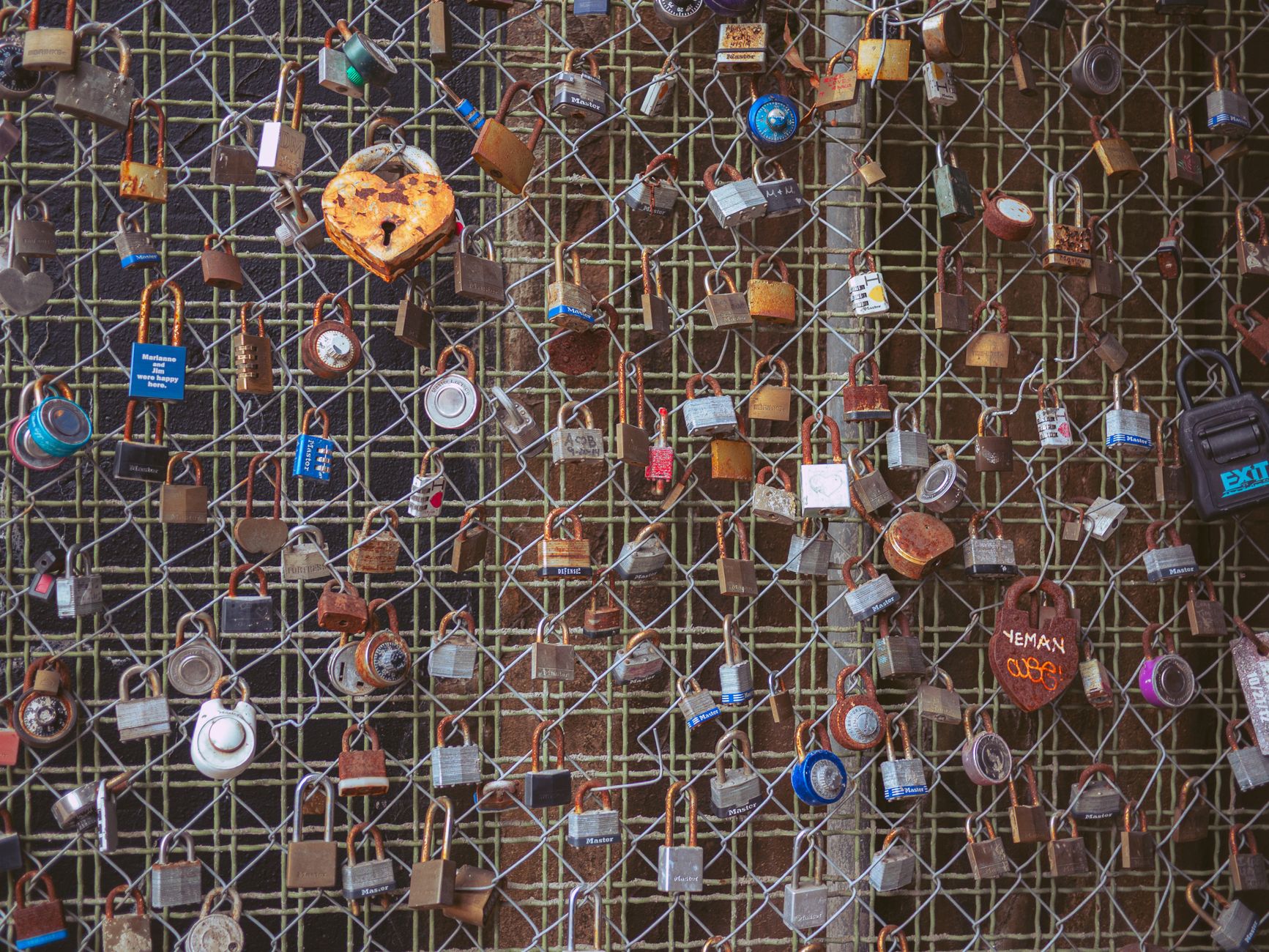
Photo by Alec Adriano on Pexels
Introduction
Every seasoned traveler knows the gut‑wrenching feeling of discovering a missing wallet after a bustling market stroll or a crowded subway ride. Pickpockets thrive on distraction, but the good news is that most thefts can be prevented with a few seconds of deliberate action. This article gives you a 10‑second wallet‑lock checklist that you can perform before you step out of any hotel, café, or train station. The steps are simple, require no extra gear, and can be practiced in the time it takes to say "cheers" to a new friend.
The 10‑Second Wallet‑Lock Checklist
Set a mental timer. When you reach for your bag or pocket, run through these ten micro‑checks. Each item takes roughly one second, so the entire routine fits comfortably into a ten‑second window.
- Choose a front‑pocket or zip‑up compartment. Thieves find it harder to reach into a front pocket than a back one.
- Secure the zip or button. A closed zipper adds friction and makes a quick snatch audible.
- Feel the wallet’s edges. Ensure the wallet sits snugly against your body, not dangling.
- Press the wallet against your torso. A tight fit reduces the wiggle room for a pickpocket’s hand.
- Check the strap or belt loop. If you’re using a money belt, double‑check that the buckle is fastened.
- Hide the wallet under a shirt or jacket. A layer of fabric acts as a visual barrier.
- Verify the bag’s closure. Whether it’s a drawstring, magnetic snap, or zipper, make sure it’s fully shut.
- Run a hand over the bag’s exterior. A quick tactile sweep catches any suspicious bulges.
- Secure your phone. Many thieves target the phone first; a locked phone means less distraction for them.
- Take a deep breath and scan the crowd. A brief visual scan can reveal nervous glances or unusually close proximity.
When you repeat this checklist habitually, it becomes second nature—just like checking that you have your passport before boarding a flight.
Real‑World Scenarios: How Travelers Use the Checklist
Scenario 1: Barcelona’s La Rambla. Maria, a solo backpacker, paused at a street‑food stall. She slipped her slim wallet into her left front jacket pocket, zipped the pocket, and pressed the jacket against her torso. Within seconds, a would‑be thief tried to brush past her, but the firm pressure made the attempt obvious. Maria’s quick scan of the crowd let her move away before any further attempt.
Scenario 2: Tokyo’s Shibuya Crossing. Tom, traveling for business, kept his wallet in a zippered compartment of his messenger bag. Before crossing the scramble, he performed steps 1‑4, then double‑checked the bag’s magnetic snap (step 7). A pickpocket who usually slips a hand into open bags was forced to abandon the attempt when Tom’s bag made a loud click.
Scenario 3: Buenos Aires night market. Lina used a money belt under her shirt. She habitually presses the belt against her spine (step 4) and runs a hand over the belt’s edge (step 8). When a crowded vendor pushed forward, Lina felt the extra pressure and instinctively tightened the belt, thwarting a pickpocket who relied on the chaos of the market.
These examples illustrate that the checklist works across continents, cultures, and crowd densities. The key is consistency—perform the routine every time you transition from a “safe” zone (your hotel) to a “public” zone (streets, transport, venues).
FAQ
- Q1: What if I’m wearing a backpack with no front pockets?
- A1: Use a hidden zippered pocket on the inside of the backpack or a small travel pouch that clips to the inner strap. The checklist’s principle—keep the wallet close to your body and secured—still applies.
- Q2: Can I rely on RFID‑blocking sleeves instead of this checklist?
- A2: RFID sleeves protect data but do not stop a thief from physically removing the wallet. Combine both: use an RFID sleeve inside a front pocket and follow the checklist for physical security.
- Q3: How can I train myself to remember the checklist in a rush?
- A3: Practice the steps while at home—set a timer for ten seconds and run through the list. Over a week, the routine becomes a muscle memory cue that triggers automatically when you reach for your bag.
By integrating this 10‑second wallet‑lock checklist into your travel routine, you turn a simple habit into a powerful defense against pickpockets. The next time you step onto a bustling promenade, you’ll have the confidence that comes from knowing your cash and cards are locked down—fast, discreet, and effective.
Found this helpful? Share it with fellow travelers! ✈️
0 comments:
Post a Comment