



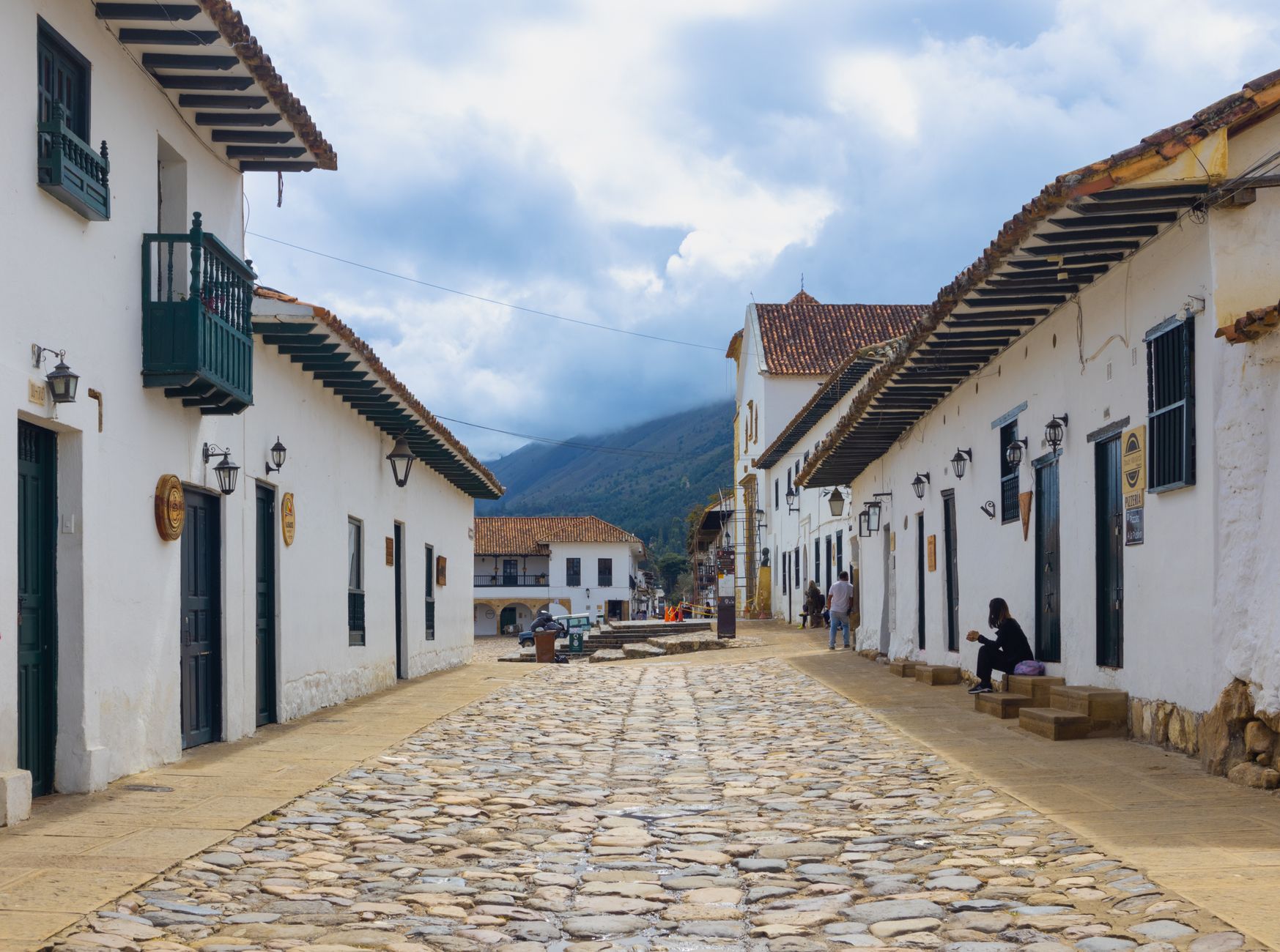
Photo by Sebastián Valencia Pineda on Pexels
Travel photography is more than snapping what you see; it’s about framing moments so they linger in the viewer’s mind. One timeless technique that can turn an ordinary snapshot into a visual story is the rule of thirds. By consciously applying this compositional guideline on every journey, you’ll build a travel album that feels balanced, dynamic, and unforgettable.
1. Understanding the Rule of Thirds
The rule of thirds divides an image into nine equal rectangles by overlaying two equally spaced horizontal lines and two vertical lines. The idea is simple: place the most important elements of your scene along these lines or at their intersections (the "power points"). When you do, the eye naturally travels across the frame, creating a sense of harmony and movement.
- Horizontal lines are perfect for horizons, waterlines, or architectural ledges.
- Vertical lines work well for trees, columns, or lone figures.
- Intersection points are ideal for focal subjects like a lone traveler, a vibrant market stall, or a striking rock formation.
While the rule is not a law, it provides a reliable starting point, especially when you’re in unfamiliar locations and need a quick compositional cue.
2. Planning Your Shots with the Grid
Most smartphones and cameras let you turn on a grid overlay. Activate it before you step out of the hotel lobby, and let it become a habit:
- Scout the scene. Pause for a moment, locate natural lines (roads, rivers, fences) and decide where the grid lines can align.
- Identify the main subject. Is it a sunrise, a street performer, or a distant mountain? Move yourself or the camera until that subject lands on a power point.
- Check balance. If the left side feels heavy, shift the subject to the right intersection to create visual equilibrium.
Real‑world example: In Kyoto’s Gion district, I placed a geisha’s face on the upper‑right intersection while the wooden lattice of a tea house ran along the lower‑left vertical line. The composition felt both intimate and contextually rich.
3. Real‑World Applications on Different Destinations
Each type of destination offers unique opportunities to exploit the rule of thirds.
Urban Streets
Cityscapes thrive on leading lines. In Barcelona’s La Rambla, I aligned the bustling crowd along the lower horizontal line, while a street artist performing at a corner occupied the upper‑right power point. The result captured both motion and focal interest.
Nature & Landscapes
When photographing a sunrise over the Grand Canyon, I placed the horizon on the lower third, letting the sky dominate the upper two thirds. A lone pine tree at the left intersection added depth and a sense of scale.
Coastal Scenes
On a Maldives overwater bungalow, the turquoise water stretched along the lower horizontal line, while a paddleboarder positioned at the right intersection drew the eye into the frame. The composition balanced serenity with a splash of activity.
Cultural Moments
During a lantern festival in Chiang Mai, I placed a glowing lantern at the top‑left intersection and the crowd’s silhouettes along the lower third. The grid helped keep the lantern as the visual anchor while preserving the festive atmosphere.
4. Editing and Cropping for Perfect Balance
Even the best‑planned shot can benefit from post‑processing. Cropping is your last chance to enforce the rule of thirds before you share the image.
- Use a non‑destructive editor. Tools like Lightroom or Snapseed let you adjust the crop without losing original data.
- Re‑apply the grid. After each crop, double‑check that the primary subject aligns with a power point.
- Mind the edges. Avoid cutting off important elements (e.g., a person’s head or a landmark’s peak) unless it serves a creative purpose.
Example: A photo of Santorini’s blue domes originally centered the dome. By cropping the image so the dome shifted to the left intersection and the sea filled the right two‑thirds, the picture gained a stronger sense of depth and led the viewer’s eye across the scene.
FAQ
- Q1: What if the rule of thirds makes the composition feel empty?
- A1: Use complementary elements—foreground objects, leading lines, or subtle textures—to fill the space without distracting from the main subject. The grid is a guide, not a prison.
- Q2: Should I always stick to the rule of thirds, even for artistic shots?
- A2: No. Once you’re comfortable, experiment with breaking the rule intentionally. Centered compositions can convey symmetry, power, or intimacy when used purposefully.
- Q3: How can I train my eye to spot the grid points quickly?
- A3: Practice daily. Take a photo of any scene, then review it and ask, “Where could I move the subject to a power point?” Over time, the grid becomes an instinctual part of your framing process.
By weaving the rule of thirds into every step of your travel photography—from scouting to editing—you’ll produce an album that feels curated, compelling, and ready to inspire anyone who flips through its pages.
Found this helpful? Share it with fellow travelers! ✈️
0 comments:
Post a Comment