



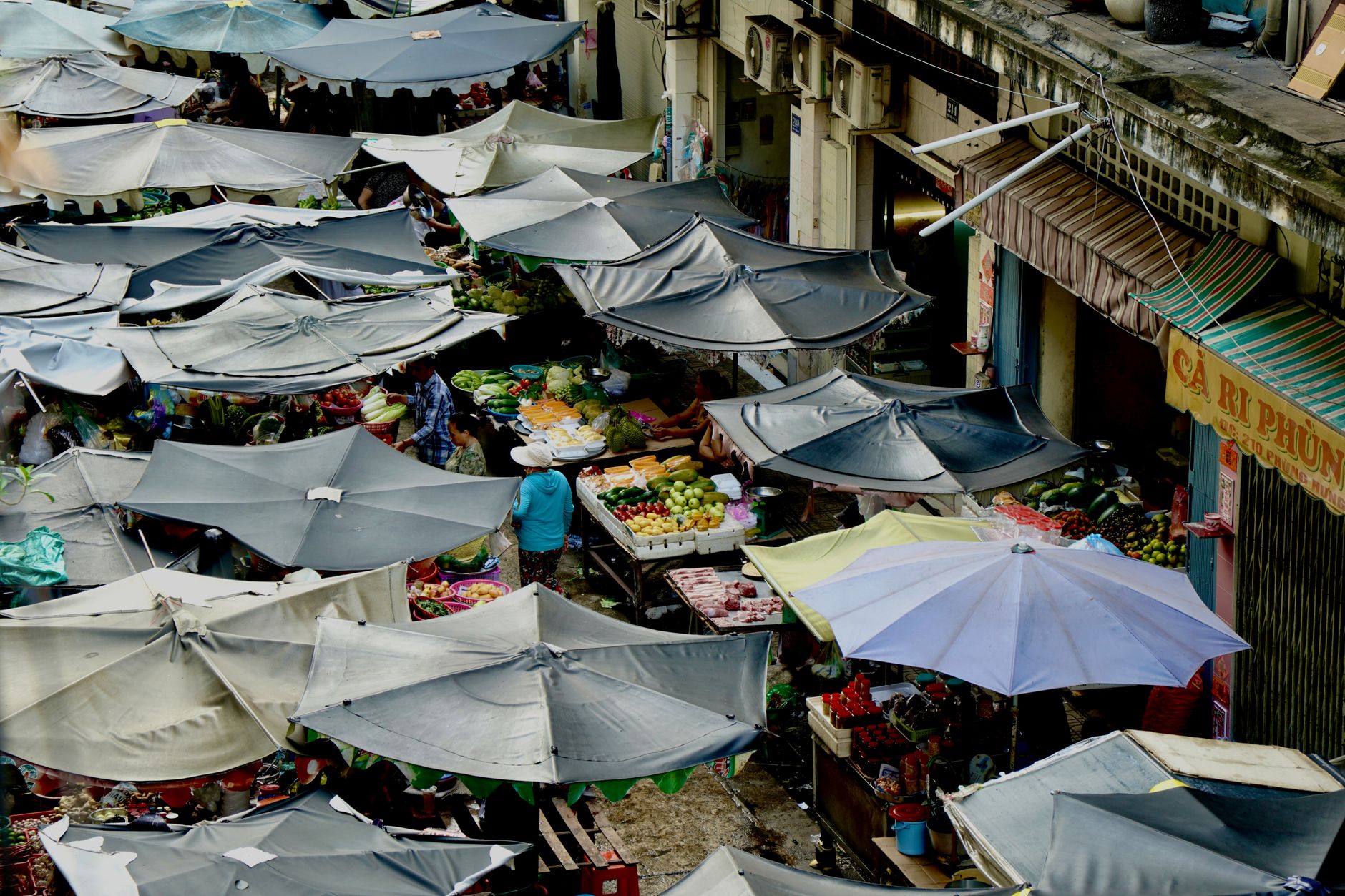
Backpacking is as much about the flavors you discover as the sights you see. While hostels and street carts offer quick bites, nothing matches the depth, price‑point, and cultural immersion of a bustling local food market. These markets are culinary micro‑cosms where you can sample regional specialties, chat with vendors, and even learn a cooking trick or two. Below is a step‑by‑step guide to finding the best markets, spotting the freshest stalls, and making the most of every bite on the road.
1. Why Markets Matter: The Authenticity Advantage
Local markets are the beating heart of a city’s food scene. Unlike tourist‑focused restaurants, market stalls are run by residents who source ingredients directly from nearby farms or fishermen. This means you get:
- Seasonal authenticity: Dishes are prepared with what’s in season, giving you a true taste of the region.
- Price transparency: Prices are often lower because there are no middlemen.
- Cultural exchange: Vendors love to share stories, recipes, and even the proper way to eat a dish.
For example, at La Boqueria in Barcelona, you can watch a vendor hand‑slice jamón ibérico right before your eyes, while a nearby stall serves a tiny tapa of pa amb tomàquet that bursts with sun‑kissed tomato flavor. That immediacy is impossible to replicate in a tourist restaurant.
2. How to Spot the Best Stalls: Actionable Tips
Not every stall is created equal. Use these practical criteria to zero in on the most reliable vendors:
- Crowd density: A long line of locals (not just tourists) signals quality and freshness.
- Cleanliness: Look for stalls that keep their prep area tidy and store food at proper temperatures.
- Ingredient visibility: The best vendors display raw ingredients—fresh fish, vibrant herbs, or whole spices—so you can assess quality before buying.
- Sample policy: Many markets allow a quick taste. If a vendor offers a bite without pressure, that’s a good sign they’re confident in their product.
- Language cue: If the vendor switches to English only after you show genuine interest, they’re likely proud of their craft rather than just chasing tips.
Real‑world example: In Bangkok’s Chatuchak Weekend Market, the stall selling mango sticky rice keeps a small cooler of ripe mangoes on ice. The line of locals waiting for a spoonful tells you it’s the real deal, not a tourist trap.
3. Top Market Picks by Region: Real Examples to Add to Your Itinerary
Below are four must‑visit markets across different continents, each offering a signature dish you can’t miss.
- Europe – La Boqueria (Barcelona, Spain): Try the pan con jamón and freshly squeezed orange juice. The market’s central location makes it a perfect morning stop before heading to the Gothic Quarter.
- Asia – Nishiki Market (Kyoto, Japan): Sample yudofu (hot tofu) served in a simple soy‑based broth, and don’t miss the pickled radish that balances the subtle flavors.
- Latin America – Mercado de San Juan (Mexico City, Mexico): Dive into tlayudas topped with Oaxacan cheese, chapulines (grasshoppers), and avocado—a true taste of Mexican street cuisine.
- Africa – Mahane Yehuda (Jerusalem, Israel): Though technically the Middle East, this market offers a blend of Mediterranean and Middle Eastern foods. Grab a fresh falafel sandwich with tahini and a side of pomegranate juice.
Each market is accessible by public transport and offers a range of price points, making them ideal for backpackers on a budget.
4. Practical Backpacker Hacks: Eat Well Without Breaking the Bank
Backpackers need to balance adventure, nutrition, and finances. Here are five proven hacks for market meals:
- Buy in bulk, eat later: Many markets sell pre‑cooked rice, beans, or grilled chicken by the kilogram. Purchase a small portion, store it in a resealable bag, and combine it with fresh veggies for a portable lunch.
- Carry a reusable utensil set: Some stalls charge extra for plastic cutlery. A lightweight bamboo fork and spoon can save you both money and waste.
- Learn key phrases: Knowing how to say “How much?” (Cuánto cuesta? in Spanish) or “I’m vegetarian” (Je suis végétarien in French) helps you negotiate and find suitable options.
- Timing is everything: Arrive early for the freshest produce, or visit late afternoon when vendors discount items that need to be sold before closing.
- Stay hydrated wisely: Instead of buying bottled water, ask for a refill at a fruit stall. Many vendors will gladly pour filtered water into your bottle for free.
By applying these tactics, you’ll stretch your daily food budget, reduce waste, and experience the market like a local.
FAQ
Q1: Are market foods safe for travelers with sensitive stomachs?
A: Most stalls serve food that’s cooked to order, which minimizes risk. Look for high turnover (busy stalls) and ask vendors how long the food has been sitting. If you’re extremely sensitive, stick to freshly grilled items and avoid raw seafood unless you see ice and a clean prep area.
Q2: How can I pay if I don’t have local cash?
A: While many markets now accept contactless cards or mobile payments, it’s safest to carry a modest amount of local currency for smaller stalls. Exchange a small sum at a reputable kiosk or withdraw from an ATM early in the day.
Q3: What’s the best way to carry leftovers while on the move?
A: Invest in a compact, leak‑proof container (around 300 ml) and a foldable silicone bag. These take up little space in a backpack and keep food fresh for a few hours, perfect for a midday snack between sites.
With these insights, you’re ready to turn every market visit into a culinary adventure. Pack your appetite, follow the locals, and let the flavors guide your backpacking journey.
Found this helpful? Share it with fellow travelers! ✈️
0 comments:
Post a Comment