



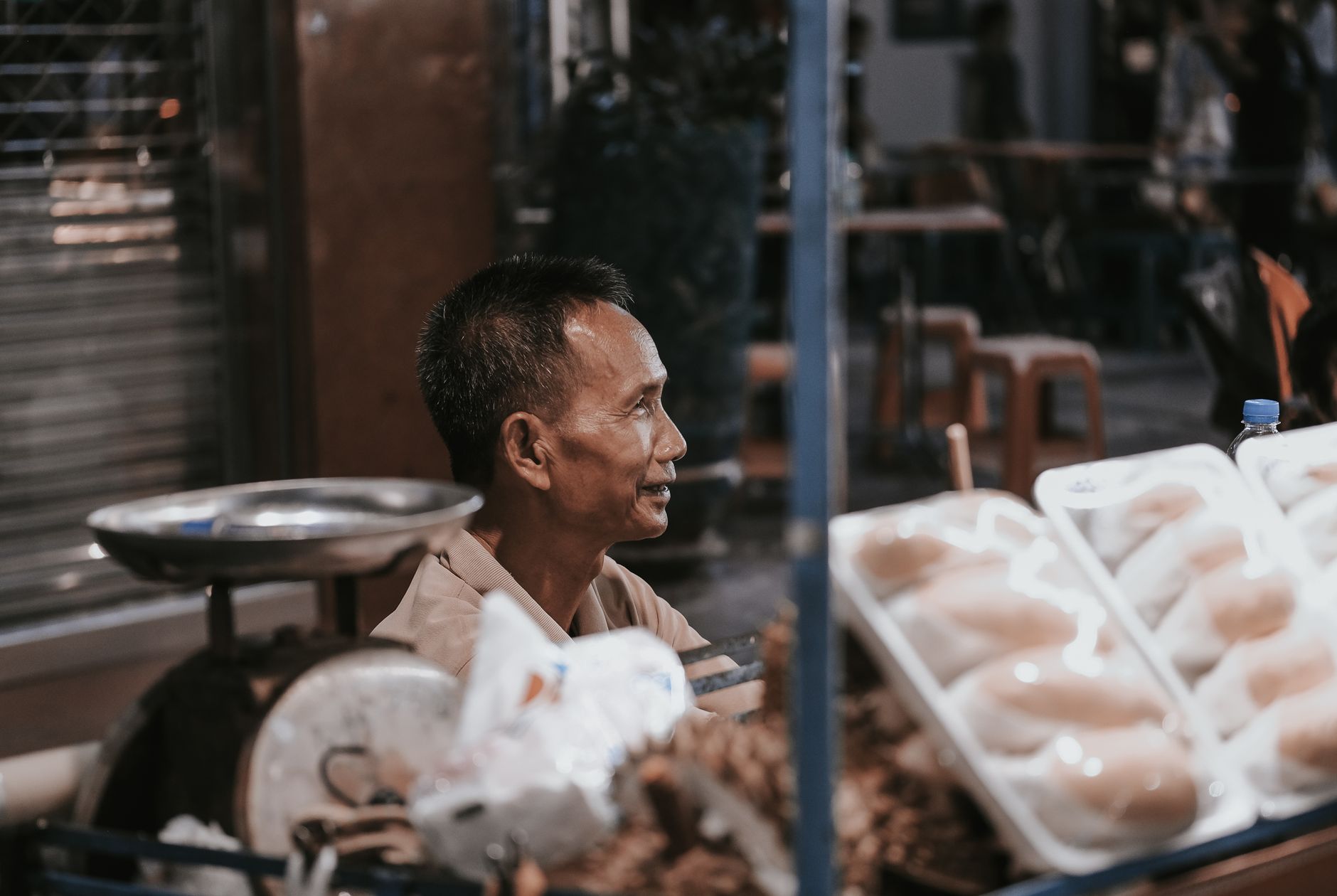
Photo by Faheem Ahamad on Pexels
Asia’s bustling markets are culinary treasure chests, but the best bites often hide behind a veil of local customs. Mastering local market etiquette not only shows respect—it opens doors to dishes you won’t find on guidebooks. From Bangkok’s fragrant night bazaars to Osaka’s neon-lit alleys, this guide walks you through the cultural cues that turn strangers into food allies, letting you taste the most authentic street fare.
1. Read the Room: Understanding Market Etiquette Across Countries
Every market has its own rhythm. In Vietnam, vendors greet you with a warm "Chào" and expect a friendly nod before you start bargaining. In Japan, silence is golden; you’ll often see a small sign that says "No talking while cooking" to keep flavors pure. In India, it’s customary to use your right hand when accepting food, as the left is considered unclean.
Key takeaways:
- Observe first. Watch how locals interact with vendors before you jump in.
- Learn a few greetings. A simple "Namaste" in India or "Ni hao" in Taiwan signals goodwill.
- Mind body language. Avoid pointing with your finger; use an open palm to indicate a dish.
When you align with these unspoken rules, vendors are more likely to share their secret recipes or offer a tasting sample.
2. How Etiquette Unlocks Authentic Dishes
Respectful behavior triggers reciprocity. A vendor in Chiang Mai who sees you patiently waiting for a stall to finish serving a regular customer may invite you to try their khao soi broth before you order. In Seoul’s Gwangjang Market, saying "Annyeonghaseyo" and showing genuine interest in the cooking process often earns you a bite of the legendary bindaetteok (mung bean pancake) that’s not listed on the menu.
Real‑world example:
- Bangkok, Thailand – Mango Sticky Rice. A foreign traveler who shouted loudly and tried to rush the line was politely turned away. Another visitor, after bowing slightly and asking, "Can you tell me how you make the coconut sauce?" was handed a fresh piece of mango and a spoonful of sauce—free of charge.
- Penang, Malaysia – Char Koay Teow. A vendor noticed a visitor carefully wiping their shoes before entering the hawker centre (a sign of respect in many Malay cultures). He offered a half‑portion of his signature char koay teow, explaining the secret wok‑fire technique.
These moments happen when you demonstrate that you value the vendor’s craft as much as the food itself.
3. Actionable Tips for Navigating Asian Street Markets
Turn etiquette into a practical checklist:
- Dress appropriately. In many Southeast Asian markets, sleeveless tops are fine, but in more conservative areas like certain parts of Indonesia, modest clothing shows respect.
- Carry small change. Vendors often prefer exact cash; a handful of coins signals that you’re prepared and reduces haggling friction.
- Start with a smile and a greeting. Even a simple "Hi" in English followed by the local phrase creates instant rapport.
- Ask before photographing. Some stalls consider their setup private. Politely ask, "May I take a picture?" and you’ll often receive a friendly nod and maybe a sample.
- Show patience. Wait your turn, even if the line looks long. Vendors notice and may reward you with a “secret menu” item.
- Offer compliments. A genuine "This broth is amazing!" goes a long way. Vendors love hearing what they do best.
- Leave a small tip. In places like Japan, a tiny 10‑yen coin tucked into a bowl signals gratitude and can lead to a second serving.
Real example: In Osaka’s Dotonbori district, a traveler who thanked the takoyaki seller in Japanese (“Arigatou gozaimasu”) and offered a 100‑yen tip received an extra ball of octopus that the seller called his "secret takoyaki"—a flavor profile not advertised to tourists.
4. Frequently Asked Questions
Q1: Is it okay to bargain in every Asian market?
A: Bargaining is common in many Southeast Asian markets (Vietnam, Thailand, Indonesia) but not in Japan, South Korea, or Singapore where prices are fixed. Always watch locals first; if they negotiate, you can join in politely.
Q2: What should I do if a vendor offers me a free sample?
A: Accept graciously, thank them, and give a quick, honest reaction. If you love it, ask for the name of the dish and where it’s made. This often leads to the vendor sharing a special preparation tip.
Q3: How can I avoid offending vendors with cultural misunderstandings?
A: Research basic customs before you travel—hand gestures, appropriate greetings, and dining etiquette. When in doubt, follow the lead of locals and keep a respectful, humble attitude.
By weaving these etiquette practices into your market adventures, you’ll discover hidden stalls, secret sauces, and stories that turn a simple snack into a cultural immersion. So next time you wander a night market, remember: a little respect goes a long way—especially when it leads to the most authentic bites Asia has to offer.
Found this helpful? Share it with fellow travelers! ✈️
0 comments:
Post a Comment