



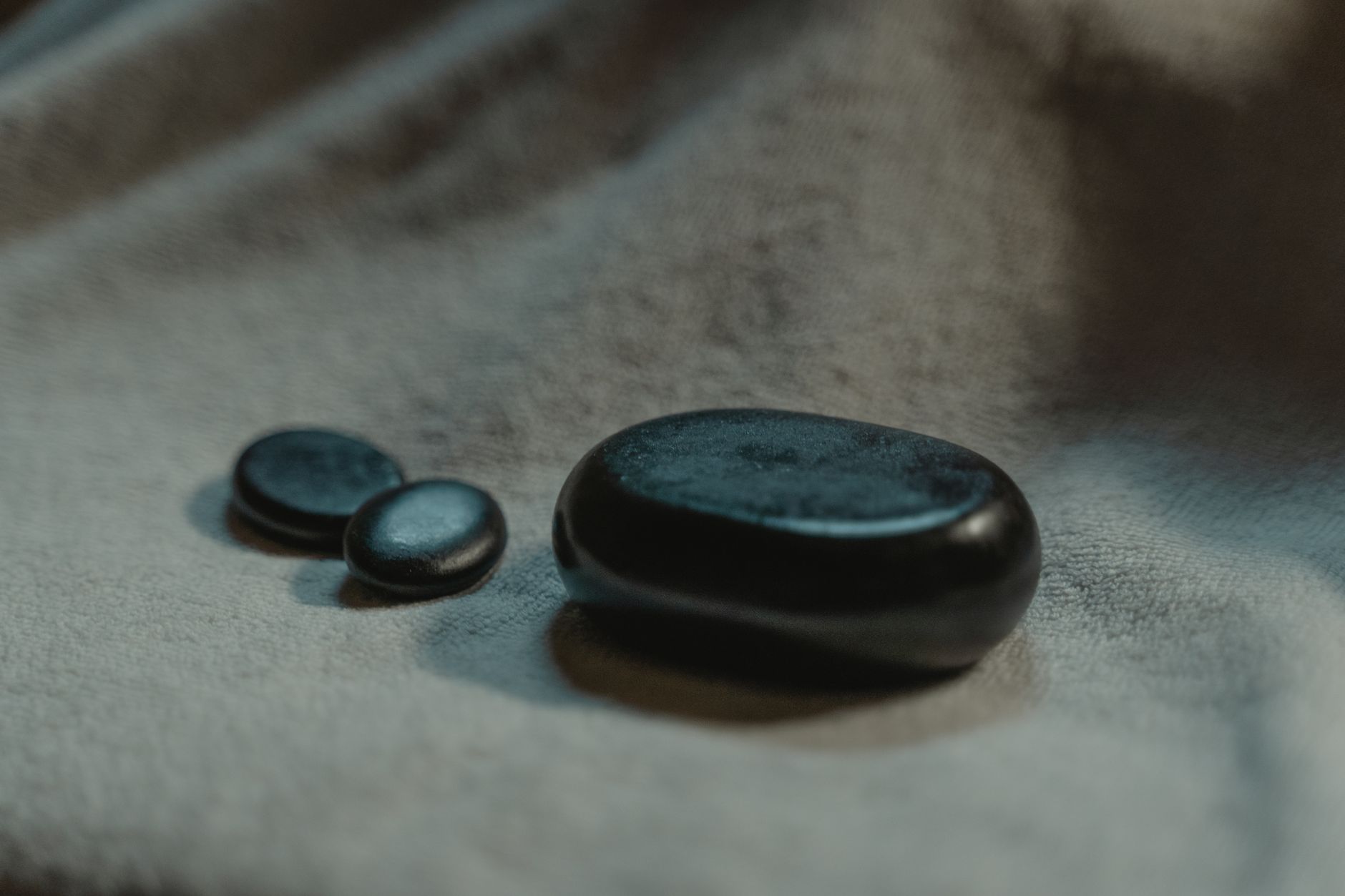
Photo by Tima Miroshnichenko on Pexels
Why Back Pain Happens on the Road
Long hours in a car, train, or airplane force the spine into static positions that most of us aren’t used to. The lumbar curve flattens, the core muscles relax, and the surrounding fascia tightens. Add uneven road surfaces, heavy luggage, and the occasional sprint to catch a connection, and you have a perfect recipe for sore, stiff back muscles.
Research from the Journal of Travel Medicine shows that 45% of frequent travelers report lower‑back discomfort after trips longer than six hours. The good news is that a portable massage ball can target the exact trigger points that cause that ache, restoring circulation and releasing tension without a bulky equipment set‑up.
Choosing the Right Portable Massage Ball
Not every ball is created equal. Here’s what to look for when you’re packing for your next adventure:
- Size and density. A 2‑inch (5 cm) ball made of medium‑firm silicone works well for most adults. It’s small enough to fit in a carry‑on, yet firm enough to press into deep muscle tissue.
- Surface texture. Smooth balls are ideal for beginners; spiked or grid‑patterned balls provide a more intense, myofascial release for seasoned users.
- Portability. Look for a ball that comes with a zip‑top pouch or a clip that attaches to a backpack strap.
- Durability. Travel can be rough on gear. Choose a ball that’s resistant to punctures and won’t lose its shape after repeated compression.
My personal favorite is the TheraBall Mini, a 2‑inch silicone sphere that slides easily into a side pocket and has a subtle textured surface for a balanced massage.
Step‑by‑Step Techniques for On‑the‑Go Relief
Below are four proven techniques you can perform in a hotel room, airport lounge, or even the back seat of a car. Each move takes under two minutes and requires only the ball and a few minutes of focus.
- Standing lumbar roll. Stand with feet hip‑width apart. Place the ball between your lower back and a wall. Gently lean into the ball, allowing it to roll up and down the lumbar spine. Move slowly for 30‑45 seconds, breathing deeply. Real example: I use this while waiting for my luggage carousel; the wall is always there, and the motion keeps my muscles from locking up.
- Seated piriformis press. Sit on a chair, cross the right ankle over the left knee, and place the ball under the right glute. Apply gentle pressure by leaning forward until you feel a release. Hold for 20‑30 seconds, then switch sides. I’ve done this on a train seat during a 4‑hour night ride and it prevented the dreaded “train‑seat slump” that usually leaves me sore.
- Supine thoracic glide. Lie on your back on a yoga mat or a firm carpet. Position the ball under the upper back, just below the shoulder blades. Extend your arms overhead and let the ball roll side‑to‑side for 1 minute. This opens the thoracic cage, improving posture for the next stretch of sitting.
- Side‑lying quadratus lumborum (QL) release. Lie on your left side, knees slightly bent. Place the ball just above your left hip, near the QL muscle. Use your right hand to press gently into the ball, feeling a stretch along the side of the lower back. Hold for 30 seconds, then repeat on the other side. I love this after a long drive through mountain passes, when my side muscles feel tight from constant turning of the steering wheel.
Remember to keep the pressure tolerable—never force the ball into bone. The goal is a mild ache that turns into a warm, relaxed feeling.
Integrating the Ball into Your Travel Routine
Consistency beats intensity when it comes to back health on the road. Here are three practical ways to make the massage ball a travel habit:
- Morning wake‑up. As soon as you step out of bed, spend two minutes with the standing lumbar roll. It jump‑starts circulation and reduces stiffness before you even pack your day.
- Mid‑journey micro‑breaks. Set a timer on your phone for every 90 minutes of seated travel. When it buzzes, do a quick seated piriformis press or a supine thoracic glide. Over an eight‑hour flight, you’ll accumulate 8‑10 minutes of targeted relief.
- Pre‑sleep wind‑down. After a day of sightseeing, use the side‑lying QL release while you’re still in your hotel room. The gentle stretch signals your nervous system to relax, helping you fall asleep faster and wake up with less morning ache.
Real‑world example: During a recent two‑week European rail tour, I carried a TheraBall Mini in my daypack. By performing the four moves twice a day, I reported zero lower‑back pain, even after back‑to‑back overnight trains.
FAQ
Q1: Can I use the ball if I have a herniated disc?
A: Yes, but proceed with caution. Stick to gentle, surface‑level pressure (like the standing lumbar roll) and avoid deep, aggressive thrusts. Always consult your physician before starting any self‑massage routine if you have a diagnosed spinal condition.
Q2: How often should I use the ball during a long trip?
A: Aim for a 2‑minute session every 90‑120 minutes of sitting. This frequency balances effectiveness with practicality and prevents muscles from staying static for too long.
Q3: Will the ball work on other areas besides the back?
A: Absolutely. The same ball can target neck tension, calf tightness, and even plantar fasciitis. Just adjust the position and pressure to suit the specific muscle group.
By choosing the right ball, mastering a handful of simple techniques, and weaving short sessions into your travel schedule, you can turn a potential back‑pain nightmare into a smooth, comfortable journey. Pack your portable massage ball, and let every mile be a little kinder to your spine.
Found this helpful? Share it with fellow travelers! ✈️
0 comments:
Post a Comment