



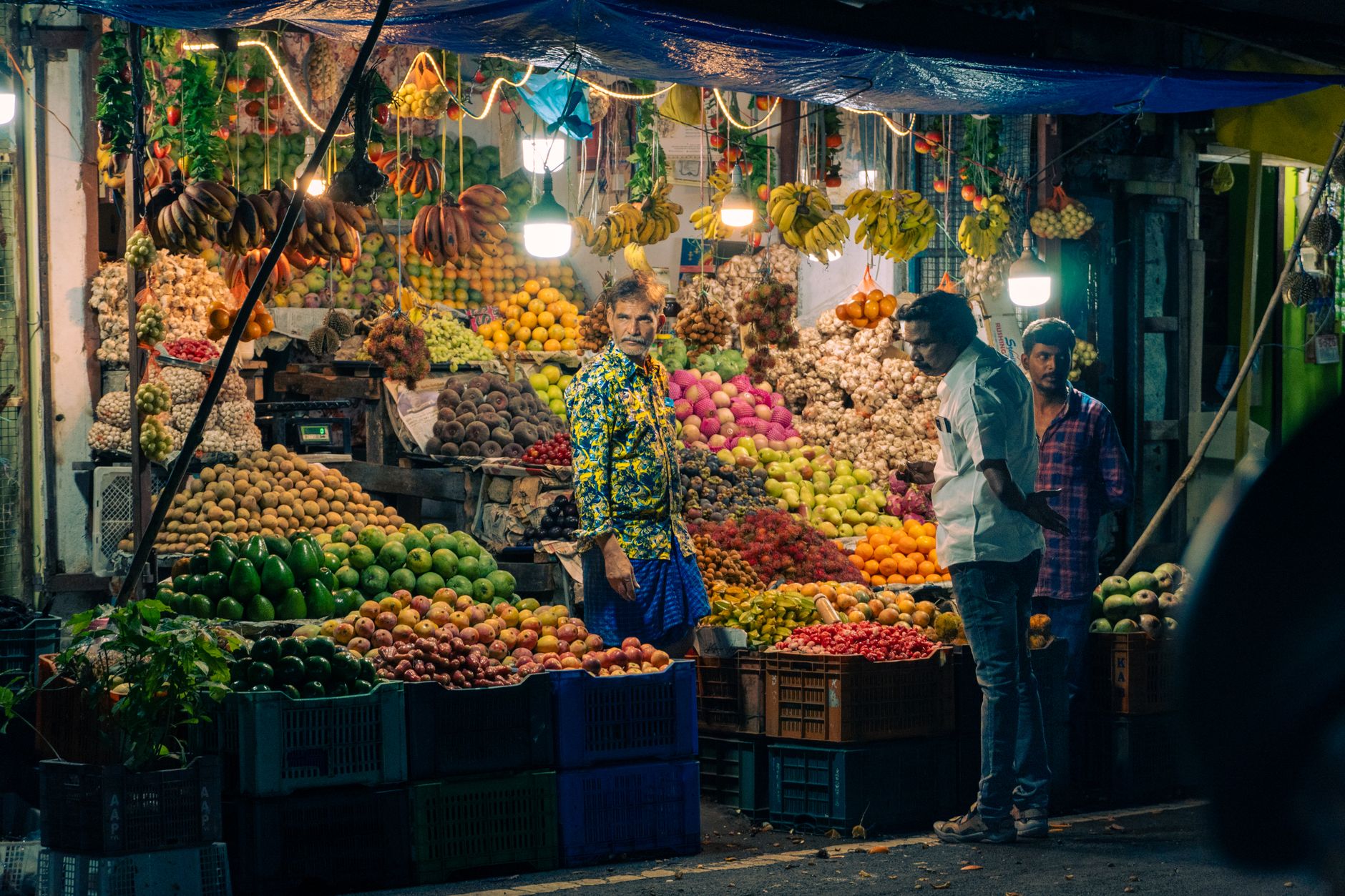
Photo by #D67 HUNTER on Pexels
Learn the Color Code of Fresh Mangoes in Thailand’s Night Markets
Thailand’s night markets are a sensory overload: neon lights, sizzling street food, and the intoxicating aroma of ripe fruit. Among the stalls, mangoes shine brightest—literally. Vendors use a subtle color code to signal ripeness, sweetness, and even the ideal time to eat. Mastering this code not only saves you from a sour bite but also unlocks a deeper connection with Thai food culture. Below, we break down the hues, share actionable tips, and answer the most common questions travelers ask.
Understanding the Mango Color Spectrum
Thai mangoes come in several varieties—Nam Dok Mai, Keo Savoy, and Chok Anong are the most common. Each variety follows a similar visual cue:
- Bright Green (Unripe): The fruit is firm, mildly acidic, and best for salads or pickles.
- Yellow‑Green Transition: A sign the mango is nearing ripeness. The flesh starts to soften, and the flavor shifts toward sweetness.
- Golden Yellow (Peak Ripeness): This is the sweet spot. The mango is buttery, fragrant, and perfect for eating fresh or in desserts.
- Deep Golden‑Orange with Red Blush: Often indicates a very sweet, slightly over‑ripe mango—great for smoothies or mango sticky rice.
Notice the skin texture too: a slight give when pressed gently with your thumb confirms ripeness, especially for the golden‑yellow stage.
Why Night Markets Matter for Mango Hunting
Night markets receive fresh shipments daily, often directly from nearby orchards. Because the climate stays warm after sunset, mangoes retain their aroma longer, making it easier to judge quality by scent. Vendors also tend to display mangoes in order of ripeness, placing the brightest yellows at the front to attract customers. This arrangement gives you a visual roadmap—just follow the color gradient from green to gold.
Real‑world example: In Chiang Mai’s Saturday Night Market, the mango stall on the left side of the main aisle kept a row of three colors side by side: green, yellow‑green, and golden. The vendor shouted, “Mango sweet, try now!” and handed out a slice of the golden one. Within minutes, the line moved from a handful to a crowd.
How to Spot the Perfect Mango
Use this three‑step checklist the next time you wander past a mango stall:
- Observe the Color Gradient: Look for a consistent golden hue across the fruit. Avoid mangoes with large green patches if you want immediate sweetness.
- Smell the Aroma: A ripe mango emits a sweet, floral perfume. If you can’t detect any scent, the fruit is likely under‑ripe.
- Gentle Pressure Test: Press the stem end lightly. A slight give means the fruit is ready; a hard feel indicates it needs more time.
Actionable tip: Carry a small, clean cloth. Wipe the mango’s skin before sniffing—market dust can mask the scent. If the mango passes all three checks, ask the vendor for a taste sample. Most stalls in Bangkok’s Ratchada Train Night Market offer free bites, and they’ll gladly slice a piece for you.
Putting the Code to Use: Real‑World Tips for Travelers
Now that you understand the color cues, here are four practical ways to integrate them into your travel itinerary:
- Plan a Mango‑Focused Evening: Schedule your night market visit after sunset, when the stalls are fully stocked. In Phuket’s Chillva Market, the mango vendors open at 7 p.m., giving you a fresh selection.
- Buy for Later: If you find a golden‑yellow mango but can’t eat it right away, store it in a paper bag at room temperature. It will stay sweet for up to two days. For longer storage, refrigerate the bag—just remember to let it warm up before eating.
- Combine with Local Dishes: Pair the mango with sticky rice, coconut milk, or a splash of lime. In the Chiang Rai Night Bazaar, vendors serve mango slices on a bed of glutinous rice, drizzled with toasted coconut crumbs.
- Share the Knowledge: Teach fellow travelers the color code. It’s a conversation starter and often earns you a friendly nod from locals, who appreciate the respect for their culinary traditions.
By using these tips, you’ll turn a simple fruit purchase into a memorable cultural experience.
Frequently Asked Questions
1. Can I rely on color alone, or should I use other methods?
Color is the quickest indicator, but combining it with scent and the gentle pressure test gives the most reliable result. In humid evenings, some mangoes may appear yellower than they actually are, so the additional checks are essential.
2. What if I buy an unripe mango by mistake?
Place the mango in a paper bag at room temperature for 1‑2 days. The bag traps ethylene gas, speeding up ripening. Once it turns golden, enjoy it immediately or keep it chilled for up to 24 hours.
3. Are there any mango varieties that don’t follow this color code?
Most Thai varieties adhere to the green‑to‑gold progression. However, the Nam Dok Mai sometimes retains a slight pink blush even at peak ripeness. In such cases, trust the aroma and softness more than the exact hue.
Armed with the mango color code, you’ll never leave a Thai night market without a perfectly sweet bite. Happy hunting!
Found this helpful? Share it with fellow travelers! ✈️
0 comments:
Post a Comment