



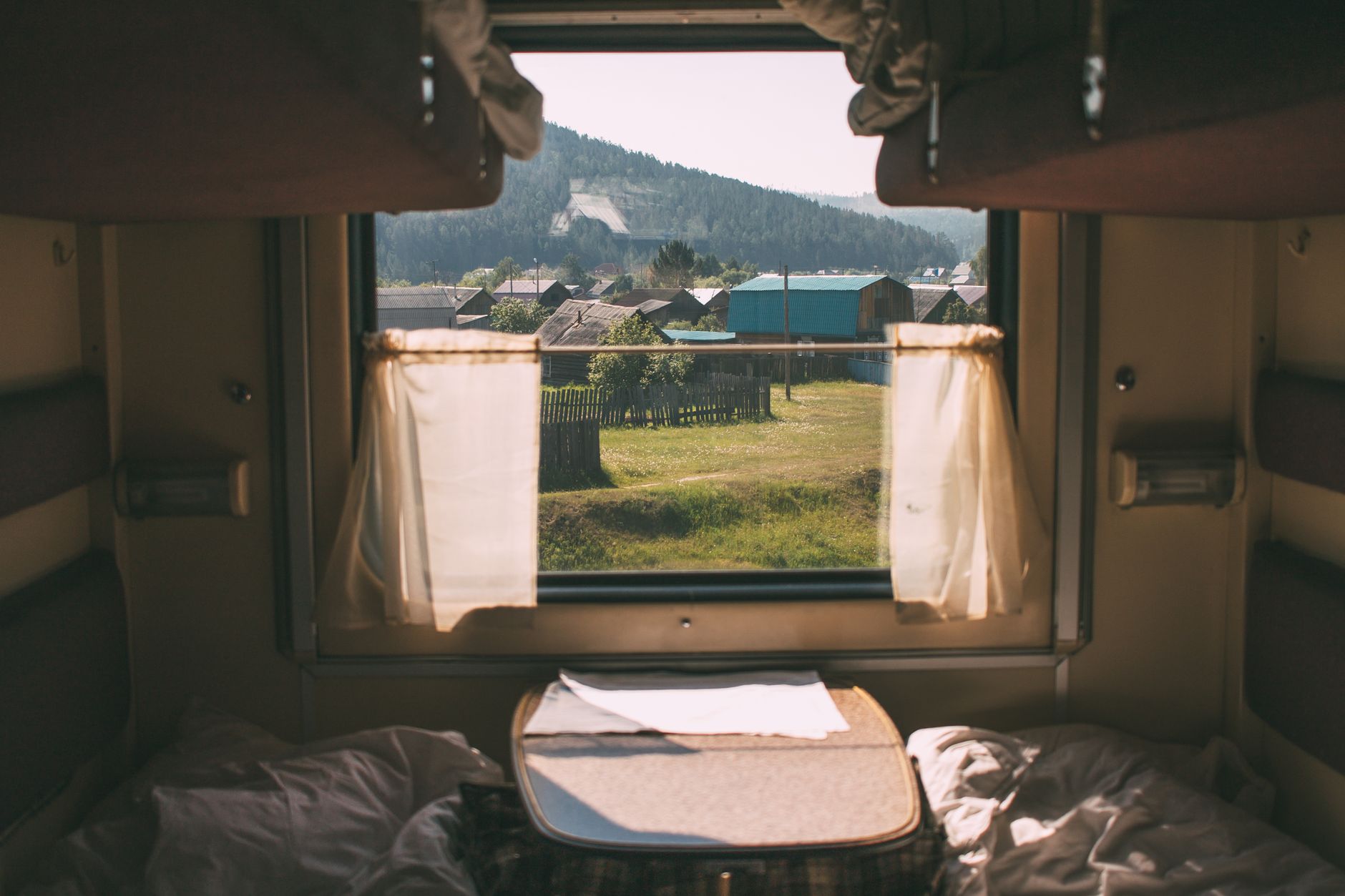
Photo by Daria Nekipelova on Pexels
Why a Sleeper Train Beats a Hotel on Price
When you book a night in a mid‑range hotel, you’re typically paying $120‑$150 for a standard room in most European or North American cities. Add taxes, Wi‑Fi fees, and a morning coffee, and the cost climbs quickly. A sleeper train, on the other hand, bundles transport, accommodation, and often a breakfast into a single ticket that can be $70‑$90 for the same route. That’s a direct saving of roughly $50 per night, plus you skip the hassle of checking in and out of a hotel.
Beyond the raw numbers, a sleeper train offers a unique travel experience: you wake up to rolling landscapes, you avoid the airport‑to‑hotel shuffle, and you reduce your carbon footprint by sharing a vehicle with dozens of fellow passengers.
How to Find the Best Sleeper‑Train Deals
Finding a bargain isn’t magic; it’s a matter of timing and research. Follow these actionable steps:
- Book Early, Save Early: Most European rail operators release sleeper tickets 90‑120 days before departure. Prices are lowest at release, then rise as seats fill.
- Use Aggregators: Websites like Rail Europe, Omio, and Trainline compare prices across operators, showing you the cheapest cabin class.
- Travel Off‑Peak: Night trains that depart after 9 pm and arrive before 7 am are often cheaper than premium “luxury” sleepers that run later.
- Leverage Rail Passes: If you already own a Eurail or Interrail pass, you can upgrade a regular seat to a sleeper berth for a fraction of the full price.
Real‑world example: A traveler heading from Berlin to Vienna booked a 2‑berth couchette on the ÖBB Nightjet three months in advance for €78. The same night in a 3‑star hotel in Vienna cost €130. The sleeper saved €52 and eliminated a 45‑minute airport‑to‑city transfer.
What to Expect Inside a Modern Sleeper Cabin
Modern sleeper trains have evolved from cramped bunks to comfortable, private spaces. Here’s a quick rundown of the most common cabin types you’ll encounter:
- Couchette (4‑person compartment): Basic bedding, shared washroom, and a small reading light. Ideal for backpackers.
- 1‑Berth Cabin: Private room with a full‑size bed, lockable door, and often an outlet and small desk.
- Family Cabin (2‑berth + 2‑berth): Perfect for parents traveling with kids; includes a small bathroom in some services.
All cabins typically include fresh linens, a pillow, and a blanket. Some operators, like Italy’s Trenitalia Intercity Notte, add a complimentary breakfast box delivered to your door each morning.
Tip: Bring a compact travel pillow, earplugs, and a reusable water bottle. These small items make the experience as cozy as a hotel room, without the extra cost.
FAQ – Your Sleeper‑Train Questions Answered
1. Is it safe to sleep on a moving train?
Yes. Sleeper trains are equipped with secure locks on each cabin, and staff conduct regular safety checks. Many travelers feel safer than in a hotel because the cabin is part of a moving, monitored environment.
2. Can I bring luggage without extra fees?
Most operators allow two pieces of luggage (up to 23 kg each) plus a small carry‑on at no extra charge. If you need more, there are usually dedicated luggage racks in the carriage.
3. What if I miss my connection?
Rail companies typically rebook you on the next available service at no additional cost. Because you’re already on the train network, you avoid the scramble and extra hotel night that many air travelers face.
By swapping a hotel night for a sleeper train, you’re not just saving $50—you’re gaining a story, a view, and a greener way to travel. The next time you plan a multi‑city itinerary, compare the cost of a night in a hotel versus a night on a sleeper train. You’ll likely find the rail option both cheaper and more memorable.
Found this helpful? Share it with fellow travelers! ✈️
0 comments:
Post a Comment