



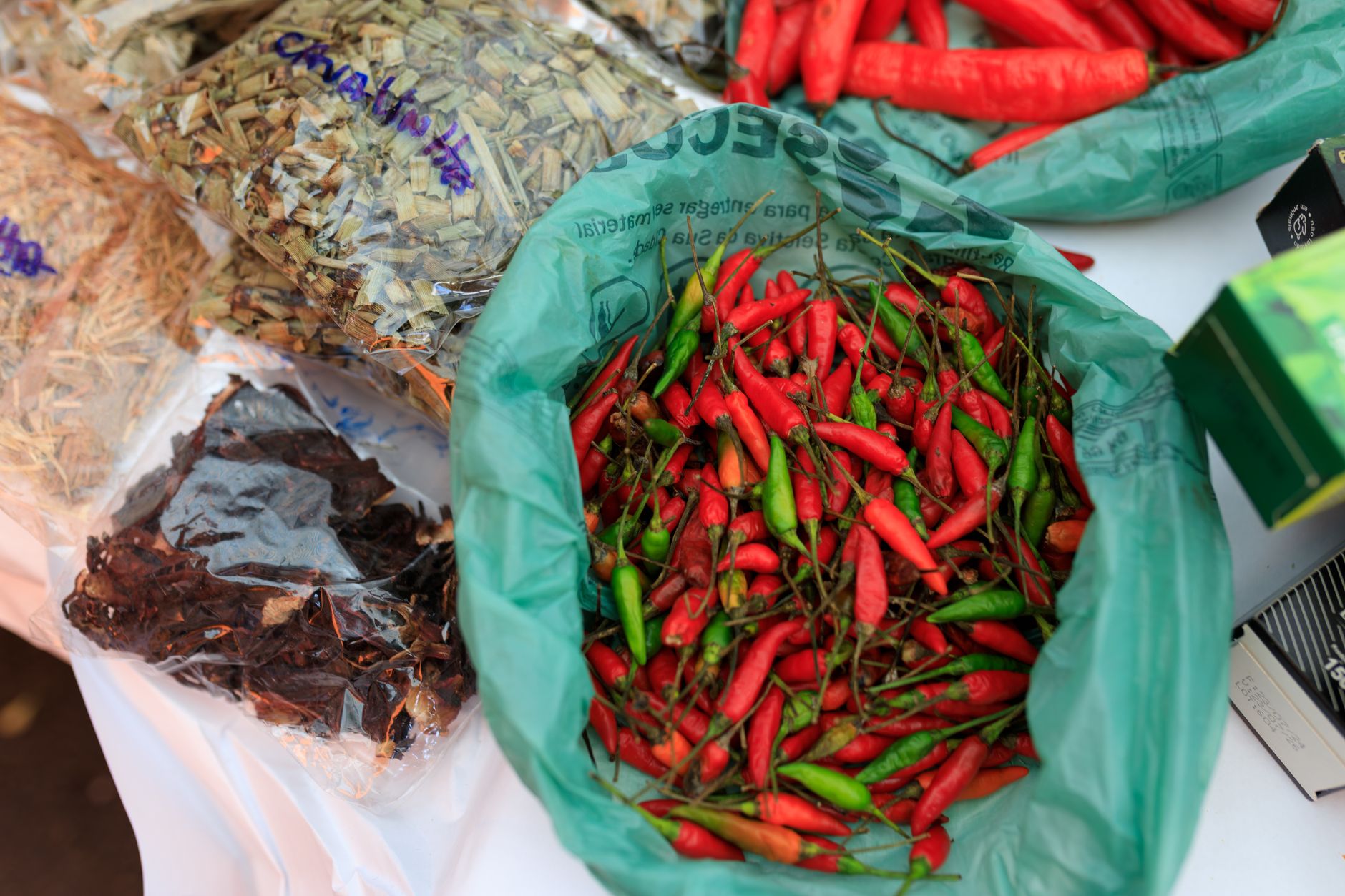
Photo by Matheus Bertelli on Pexels
Walking through a bustling spice market, the air is a kaleidoscope of aromas—cumin, turmeric, dried chilies—each whispering a promise of unforgettable street‑food flavors. As a travel writer who’s sampled everything from Bangkok’s fiery pad krapow to Marrakech’s fragrant tagines, I’ve learned that mastering street‑food cooking isn’t about expensive equipment; it’s about clever shortcuts that let you capture market magic in minutes. Below are five quick hacks that turn any kitchen into a street‑food stall, illustrated with real‑world examples you can try tonight.
1. Pre‑mix Your Signature Spice Blend
Street vendors rarely measure each spice by the pinch; they rely on a ready‑to‑go blend that guarantees consistency. Create a “base” mix that reflects the cuisine you love. For a classic Southeast Asian kick, combine equal parts ground coriander, cumin, and white pepper, then add a teaspoon of dried lemongrass powder and a pinch of powdered kaffir lime leaves. Store the blend in an airtight jar and label it “Southeast Asian Street Mix.” This preparation saves you from endless grinding and ensures every dish hits the same flavor target.
Real example: In Ho Chi Minh City, a vendor I followed pre‑tossed his pork skewers in a blend of this mix, a splash of fish sauce, and a drizzle of palm sugar. The result was a caramelized crust that sang with citrusy depth—no need to grind fresh spices each night. Tip: Toast the whole spices briefly before grinding to unlock deeper aromatics.
2. Use a “Flash‑Infuse” Oil for Instant Aroma
Heat‑activated oils are the secret weapon of many hawker stalls. Simply warm a neutral oil (such as grapeseed) with a handful of whole spices—cinnamon sticks, star anise, and dried chilies—for 30 seconds, then strain. The oil retains the spice essence and can be drizzled over finished dishes or used to sauté aromatics, delivering a layered perfume without a time‑consuming simmer.
Real example: While sampling Jakarta’s satay, I noticed the vendor brushed the grilled meat with a thin layer of oil infused with toasted coriander seeds and cloves. The quick flash‑infuse added a smoky, nutty layer that would have taken hours to achieve with a traditional spice paste. Tip: Keep a small bottle of flash‑infused oil in the fridge; it stays vibrant for up to two weeks.
3. Master the “High‑Heat, Short‑Time” Technique
Street food thrives on blistering heat. A wok or a cast‑iron griddle heated until it just starts to smoke is your best ally. Toss thinly sliced vegetables or bite‑size protein pieces, and stir‑fry for 45‑60 seconds. This preserves crunch, locks in juices, and creates the coveted “wok‑hei” flavor that can’t be replicated at lower temperatures.
Real example: In Taipei’s night markets, a stall serving beef noodle soup sears thin beef strips on a screaming‑hot plate for just 30 seconds before sliding them into broth. The rapid sear gives the beef a smoky edge while keeping it tender. Tip: If you don’t have a wok, pre‑heat a heavy skillet until a drop of water dances and evaporates instantly.
4. Finish with a Splash of Acid and Fresh Herbs
Acidity brightens any street‑food dish. A squeeze of lime, a splash of rice‑vinegar, or a drizzle of tamarind paste can transform a heavy, fried snack into a balanced bite. Pair this with freshly chopped herbs—Thai basil, cilantro, or mint—to add aroma and color that pop against the backdrop of rich sauces.
Real example: The famous Mexican elote (grilled corn) I tried in Oaxaca is finished with lime juice, crumbled cotija, and a scattering of chopped cilantro. The acid cuts through the creamy mayo, while the herbs lift the entire flavor profile. Tip: Add herbs at the very end of cooking; their volatile oils dissipate quickly under heat.
5. Portable “One‑Pot” Assemblies for On‑the‑Go Meals
Street vendors love simplicity. Replicate this by using a single pot or pan to combine protein, starch, and sauce. Cook rice noodles, add pre‑marinated tofu, toss in your flash‑infused oil, sprinkle the spice blend, and finish with herbs and acid—all in one vessel. This minimizes cleanup and maximizes flavor integration, making it perfect for cramped kitchen counters or dorm rooms.
Real example: In Lagos, a popular street stall serves “jollof rice bowls” where they stir‑fry leftover rice with a tomato‑pepper base, add spiced chicken, and finish with a dash of shito (a Ghanaian chili paste). The one‑pot method lets the rice soak up the sauce, delivering a cohesive, hearty bite. Tip: Use a lid for the first few minutes to steam the starch, then uncover to achieve a lightly crisped bottom.
FAQ
- Can I use these hacks with vegetarian ingredients?
- Absolutely. Swap meat for tofu, tempeh, or hearty vegetables like cauliflower. The spice blend and flash‑infused oil work equally well with plant‑based proteins.
- How long can I store the pre‑mixed spice blend?
- In a cool, dark place, an airtight jar keeps the blend fresh for up to six months. For maximum potency, toast whole spices before grinding.
- Do I need a wok for the high‑heat technique?
- A well‑seasoned cast‑iron skillet or a heavy stainless‑steel pan will deliver comparable heat. The key is achieving a thin layer of smoke before adding ingredients.
With these five hacks in your culinary toolbox, you can recreate the excitement of a bustling spice market right at home. The next time you wander past a stall, remember: the secret isn’t just the ingredients—it’s the smart shortcuts that turn ordinary cooking into street‑food brilliance.
Found this helpful? Share it with fellow travelers! ✈️
0 comments:
Post a Comment