



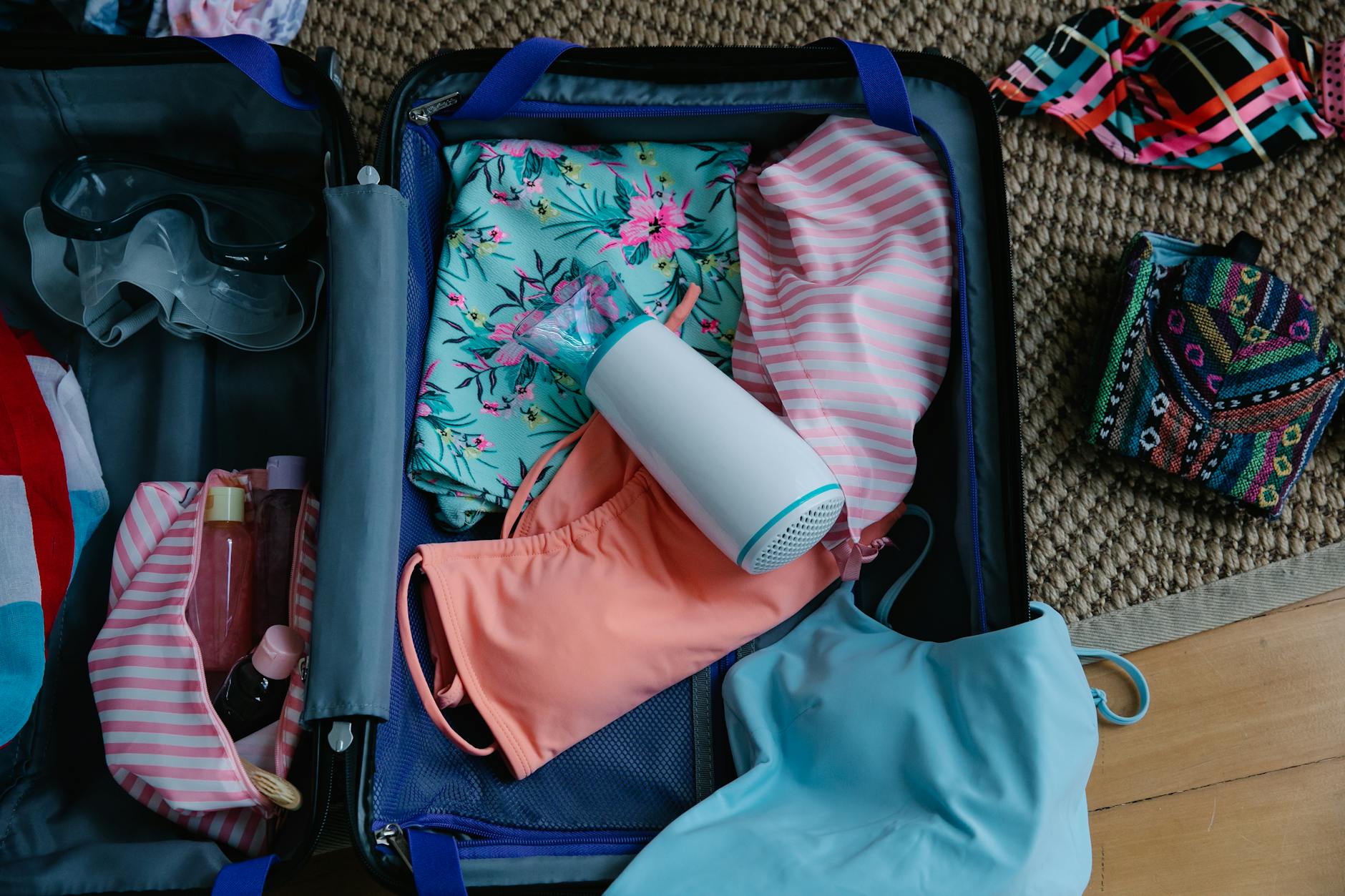
Photo by Timur Weber on Pexels
Why a 3‑Layer System Beats Traditional Packing
Most travelers toss clothes into a bag, close the zipper, and hope for the best. The result? Bulky, wrinkled garments and a carry‑on that barely fits in the overhead bin. The 3‑Layer Packing Cube Method flips that script by assigning each cube a specific function: core, compress, and protect. By separating items into logical layers, you not only maximize volume but also create a mini‑wardrobe that stays organized throughout the trip.
Studies from frequent flyers show that a well‑structured cube system can shave up to 30% of total volume compared to the “dump‑it‑all” approach. The secret lies in three simple principles:
- Layer 1 – Core Items: Everyday essentials you’ll reach for most often.
- Layer 2 – Compress Items: Bulkier pieces that benefit from compression.
- Layer 3 – Protect Items: Delicates, electronics, and anything that needs a cushion.
Step‑by‑Step: Building Your 3‑Layer Cube Stack
Follow these actionable steps to assemble the system before you even zip your suitcase.
- Choose the right cubes: A 2‑liter cube for Layer 1, a 4‑liter cube for Layer 2, and a 3‑liter cube with padded compartments for Layer 3. The sizes fit most standard carry‑ons (21‑23 L).
- Lay out your clothing on a flat surface. Separate items into three piles according to the layer definitions. Example: T‑shirts, underwear, and a lightweight jacket go to Layer 1; jeans, sweaters, and a raincoat belong in Layer 2; silk blouse, headphones, and a travel‑size charger sit in Layer 3.
- Roll, not fold. Rolling reduces air pockets and prevents deep creases. For Layer 2, use the bundle‑wrap technique: wrap bulkier pieces around a central core of softer garments to create a compact bundle before placing them in the cube.
- Compress Layer 2. Insert the 4‑liter cube into its built‑in compression straps (or use a separate compression sack). Squeeze out excess air – you’ll see a visible reduction of up to 25% in volume.
- Shield Layer 3. Place delicate items in the padded cube, positioning electronics against the inner walls and wrapping silk fabrics in a lightweight packing‑paper sheet to avoid friction.
- Stack in order. Slide the Layer 1 cube to the bottom of the suitcase, then the compressed Layer 2 cube, and finally the protective Layer 3 cube on top. This arrangement keeps the heaviest items low (better balance) and the fragile items on top where they’re less likely to be crushed.
- Utilize every nook. Fill empty corners with socks, belts, or travel‑size toiletries in zip‑lock bags. The more you fill, the less the cubes shift during transit.
Result: a streamlined carry‑on that fits snugly in the overhead bin and opens like a drawer, letting you see every item at a glance.
Real‑World Example: 7‑Day European Adventure
To illustrate the method, let’s pack for a week‑long trip to Paris, Rome, and Barcelona. The itinerary includes city walking, a formal dinner, and a rainy day.
| Layer | Items Packed |
|---|---|
| Core (2 L) | 3 T‑shirts, 2 lightweight tops, underwear × 7, socks × 7, one pair of sneakers, travel‑size umbrella. |
| Compress (4 L) | 1 pair of dark jeans, 1 pair of chinos, 1 cashmere sweater, 1 rain jacket (compressed), 1 formal dress shirt (bundle‑wrapped). |
| Protect (3 L) | Silk blouse, compact DSLR with padded case, headphones, charger, travel‑size perfume wrapped in tissue. |
After compression, the three cubes occupy roughly 9 L of space, leaving 12 L for toiletries, a small guidebook, and a reusable water bottle. The total packed volume is about 21 L – a full 30% reduction compared with a conventional fold‑and‑stuff method, which would have pushed the suitcase to 30 L and forced you to check a bag.
FAQ – Your Burning Questions Answered
1. Do I need three separate cubes, or can I use one larger cube with compartments?
You can use a single expandable cube, but separating layers gives you visual cues and prevents accidental mixing of delicate items with heavy ones. If space is limited, a 6‑liter cube with internal dividers works, but you’ll lose some of the ergonomic benefits of a true stack.
2. How do I keep my cubes from shifting during turbulence?
Place a thin layer of packing‑paper or a small laundry bag between each cube. The friction created by the paper holds the cubes in place. Additionally, fill any remaining gaps with soft items like socks – they act as natural shock absorbers.
3. Can the method be adapted for a backpack instead of a suitcase?
Absolutely. Use a 3‑liter core cube, a 5‑liter compression cube, and a 2‑liter protective cube. Stack them vertically inside the main compartment of the backpack, with the heaviest cube at the bottom for better balance. The same principles of roll‑and‑compress apply.
Implementing the 3‑Layer Packing Cube Method may feel like a small habit change, but the payoff is tangible: a lighter, more organized carry‑on, fewer wrinkles, and a smoother airport experience. Give it a try on your next trip and watch the space savings add up!
Found this helpful? Share it with fellow travelers! ✈️
0 comments:
Post a Comment