



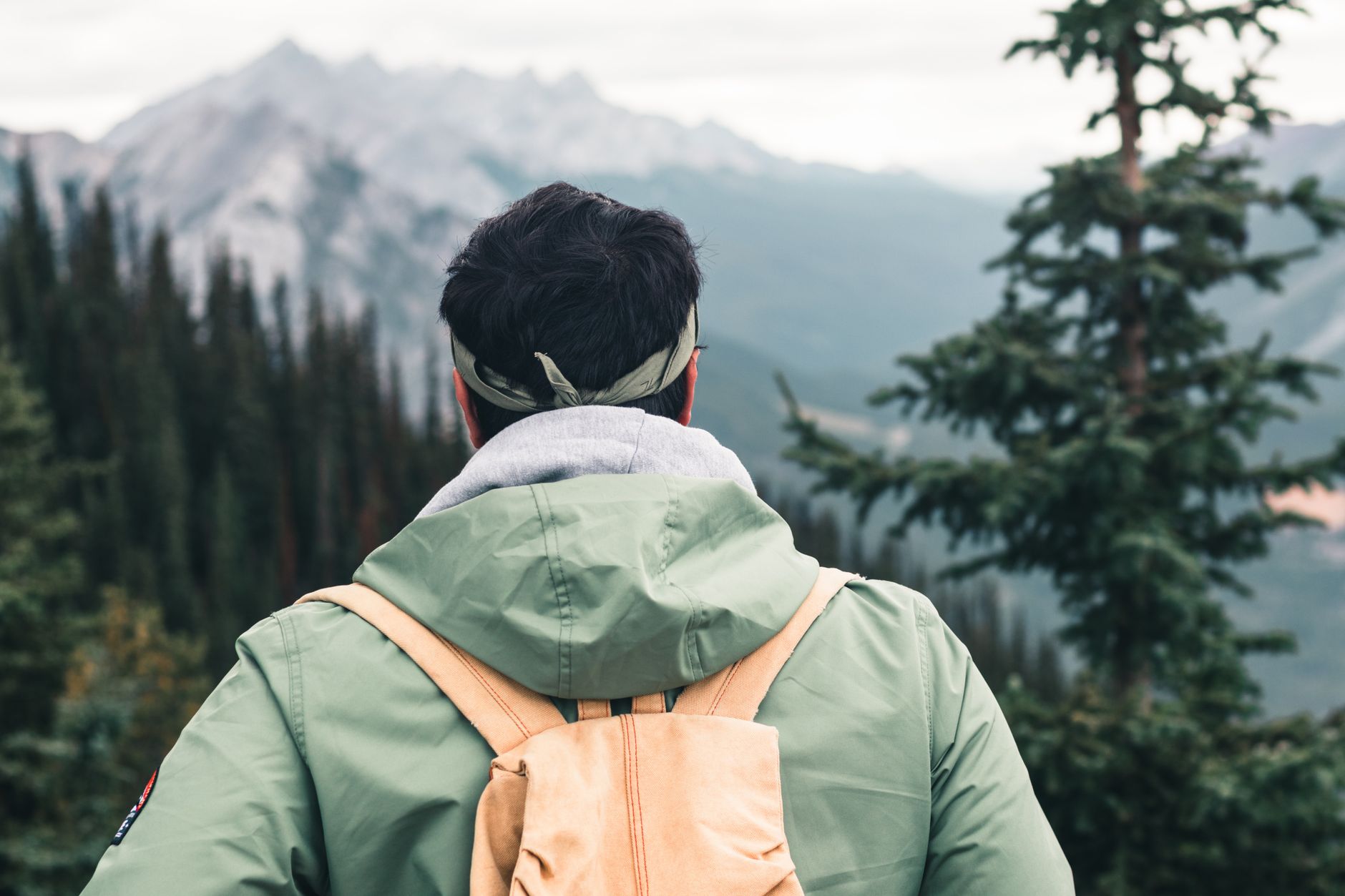
The 3‑Step Waterproof Packing List for Unexpected Weather
Whether you’re trekking the misty hills of the Scottish Highlands or hopping between cafés in a monsoon‑soaked Southeast Asian city, sudden rain can turn a dream trip into a soggy nightmare. The secret isn’t a magical umbrella—it’s a smart, three‑step packing strategy that keeps your gear dry, your morale high, and your itinerary on track. Below, we break down each step with real‑world examples, actionable tips, and a concise FAQ to help you pack like a pro.
Step 1: Seal the Essentials
First, identify the items you absolutely cannot afford to get wet. For most travelers, this includes electronics, important documents, and any clothing you plan to wear immediately after the rain.
- Electronics: Pack your phone, camera, and e‑reader inside zip‑top dry bags (e.g., Sea to Summit Ultra‑Dry). A 1‑liter bag fits a smartphone, charger, and a pair of earbuds with room to spare.
- Documents: Store passports, travel insurance papers, and itineraries in a waterproof document holder. A clear PVC sleeve lets you see the contents without opening it.
- Immediate‑wear clothing: Roll a lightweight, quick‑dry t‑shirt and a pair of merino socks in a resealable bag. If a downpour hits, you can slip them on without fumbling through a wet suitcase.
Real example: On a recent trip to Iceland, I packed my DSLR in a dry bag inside my backpack’s main compartment. When a sudden squall drenched the trail, the bag stayed dry, saving $1,200 worth of equipment.
Step 2: Layer Smart
The next layer is all about protecting yourself from the elements while staying comfortable. Choose garments that combine waterproof performance with breathability.
- Shell jacket: A 3‑layer Gore‑Tex or eVent shell (e.g., Arc’teryx Zeta SL) repels rain while allowing sweat to escape. Look for fully taped seams and a storm‑flap hood.
- Mid‑layer: A lightweight fleece or insulated shirt adds warmth without bulk. Merino wool works well because it dries quickly and resists odor.
- Base layer: Moisture‑wicking fabrics (synthetic or merino) keep skin dry, reducing the chill factor when you’re stuck in a downpour.
Real example: While hiking the Pacific Crest Trail, I wore a Patagonia Nano Puff under a Marmot PreCip rain shell. When a sudden thunderstorm rolled in, the combination kept me dry and warm without overheating on the sunny breaks.
Step 3: Protect Your Gear
Finally, safeguard the rest of your belongings—backpacks, shoes, and accessories—so they stay functional rain or shine.
- Backpack cover: Most travel packs come with a built‑in rain cover, but a dedicated pack‑rain cover (e.g., Outdoor Research Helium) offers extra protection for longer downpours.
- Water‑resistant shoes: Choose shoes with treated leather or waterproof membranes. Quick‑dry canvas works for city travel, while Gore‑Tex hiking boots are ideal for trails.
- Pack organization: Use waterproof stuff‑sacks for toiletries and electronics. Even a simple zip‑lock bag can keep a spare pair of shoes from soaking the rest of your luggage.
Real example: In Vietnam, my suitcase’s built‑in rain flap failed during a monsoon. I slipped a cheap polyethylene cover over the bag, and the rest of my clothes stayed dry—saving me from a laundry nightmare on the road.
FAQ
Q1: Do I need a separate dry bag for every item?
A: No. Prioritize high‑value items (electronics, documents) and group smaller items together in one or two dry bags. Over‑packing dry bags adds unnecessary weight.
Q2: Can I rely on a rain poncho instead of a waterproof jacket?
A: A poncho is great for heavy rain, but it offers limited wind protection and can be cumbersome on hikes. Use a poncho as a backup to a breathable shell jacket for maximum versatility.
Q3: How do I keep my shoes from getting waterlogged?
A: Apply a silicone‑based waterproof spray to canvas or leather shoes before departure. For longer trips, pack a spare pair in a dry bag and rotate them when one gets wet.
By following this three‑step system—seal the essentials, layer smart, and protect your gear—you’ll stay dry, comfortable, and ready for whatever weather throws your way. Happy packing, and may your adventures stay wonderfully dry!
Found this helpful? Share it with fellow travelers! ✈️
0 comments:
Post a Comment