



Photo by Jessica Lewis 🦋 thepaintedsquare on Pexels
Step 1: Secure Your Gear Before Lights Out
Before you turn off the bedside lamp, treat your belongings like a small, portable safe. The first step of the routine is to centralize and lock everything you can’t afford to lose. Here’s how:
- Pack a lockable daypack. Choose a backpack with a built‑in lock loop or a zip that can be secured with a small combination lock. Even a cheap 4‑digit lock adds a psychological barrier.
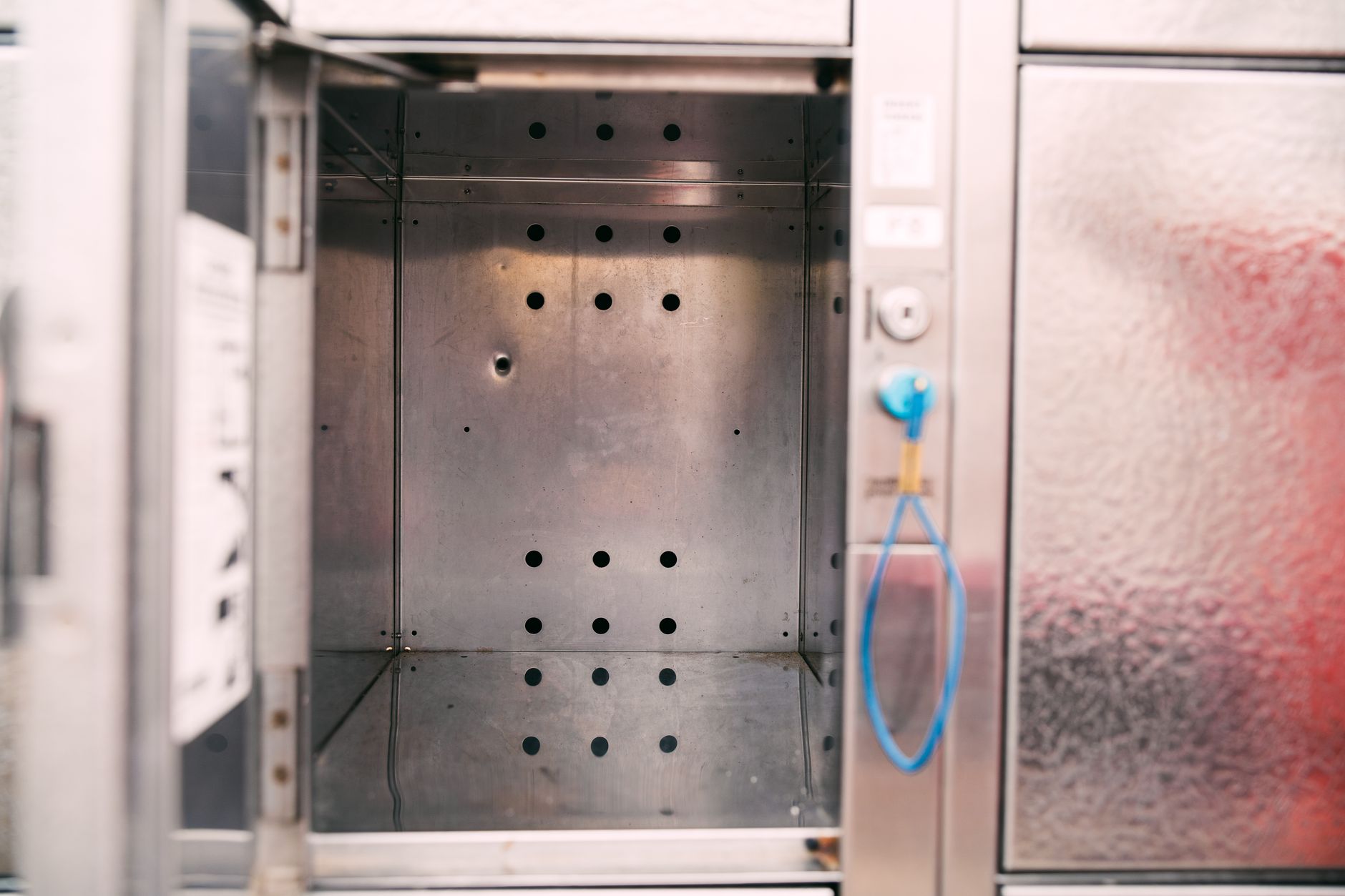
- Use the hostel’s lockers. If the property offers lockers, place your passport, cash, electronics, and any valuables inside a zip‑lock bag, then lock the bag and the locker. Double‑locking (bag inside locker) is a habit that thieves rarely expect.
- Seal loose items in a travel pouch. Small items like chargers, earbuds, and medication are easy to hide in a zip‑locked pouch that can be tucked under your mattress or inside a shoe.
- Label your gear. Write your name and a contact email on the inside of your bag. It won’t stop a thief, but it deters opportunistic grabs and helps staff return lost items.
Real example: In a hostel in Lisbon, a solo traveler named Maya kept her camera in a lockable daypack and stored it in the communal locker. When a thief tried to pull the bag from the rack, the lock clicked, alerting nearby guests. The thief fled, and Maya’s gear remained safe.
Step 2: Create a Personal Lock Zone
The second step is all about boundary control. Even if the locker is compromised, you want a second layer that only you can access.
- Wrap your bag in a cable lock. Loop a small steel cable (the kind used for bike locks) around the frame of your bag and anchor it to a sturdy piece of furniture – a desk leg, a heavy chair, or the metal frame of the bunk.
- Use a portable door alarm. Clip a cheap alarm device to the inside of the door. If someone tries to open the door while you’re asleep, the alarm sounds, scaring the intruder away.
- Position your bag strategically. Place your bag at the foot of the bed, not under it. This makes it visible and harder to snatch unnoticed.
- Mark the night with a light cue. Turn on a small, dim LED strip under your mattress. The glow reminds you each night that the lock zone is active, and it signals to other guests that you’re vigilant.
Case in point: In a bustling hostel in Bangkok, a group of backpackers adopted the cable‑lock method. One night a drunk guest tried to pull a bag from the top bunk, but the cable snapped loudly, alerting the whole floor. The would‑be thief was caught in the act and escorted out by staff.
Real‑World Success Stories
These two steps aren’t just theory. Travelers across continents report a dramatic drop in nightly thefts after adopting the routine.
- Europe: A digital nomad in Berlin wrote on a travel forum that after using a lockable daypack and a cable lock for three weeks, he never lost a single item, even during a power outage when the hostel’s security cameras were offline.
- South America: In a hostel in Cusco, a group of hikers placed their backpacks in lockers, then secured the locker handles with a small padlock. When a pickpocket attempted to pry the lock, the metal snapped, and the staff caught him within minutes.
- Oceania: A solo female traveler in Sydney’s Bondi Beach hostel used a portable door alarm and a LED night cue. She reported that the alarm deterred a night‑time wanderer who later apologized, claiming he didn’t realize the room was occupied.
These anecdotes show that the routine works across cultures, budgets, and hostel types. The key is consistency: perform the two steps every night, without exception.
FAQ
Q1: What if the hostel doesn’t have lockers?
A: Use a sturdy, lockable daypack and a small cable lock to anchor the bag to a heavy piece of furniture. Many hostels provide a metal frame or a desk leg that can serve as an anchor point.
Q2: Are cheap combination locks enough?
A: Yes, for most opportunistic thefts. A cheap 4‑digit lock can delay a thief long enough for a roommate or staff member to notice. For high‑value items (e.g., DSLR cameras), consider a higher‑security lock or a portable safe.
Q3: Will the cable lock damage hostel furniture?
A: Use a protective sleeve (a small piece of fabric or a rubber grommet) around the cable where it contacts wood or metal. This prevents scratches and keeps you in good standing with hostel management.
Found this helpful? Share it with fellow travelers! ✈️
0 comments:
Post a Comment