



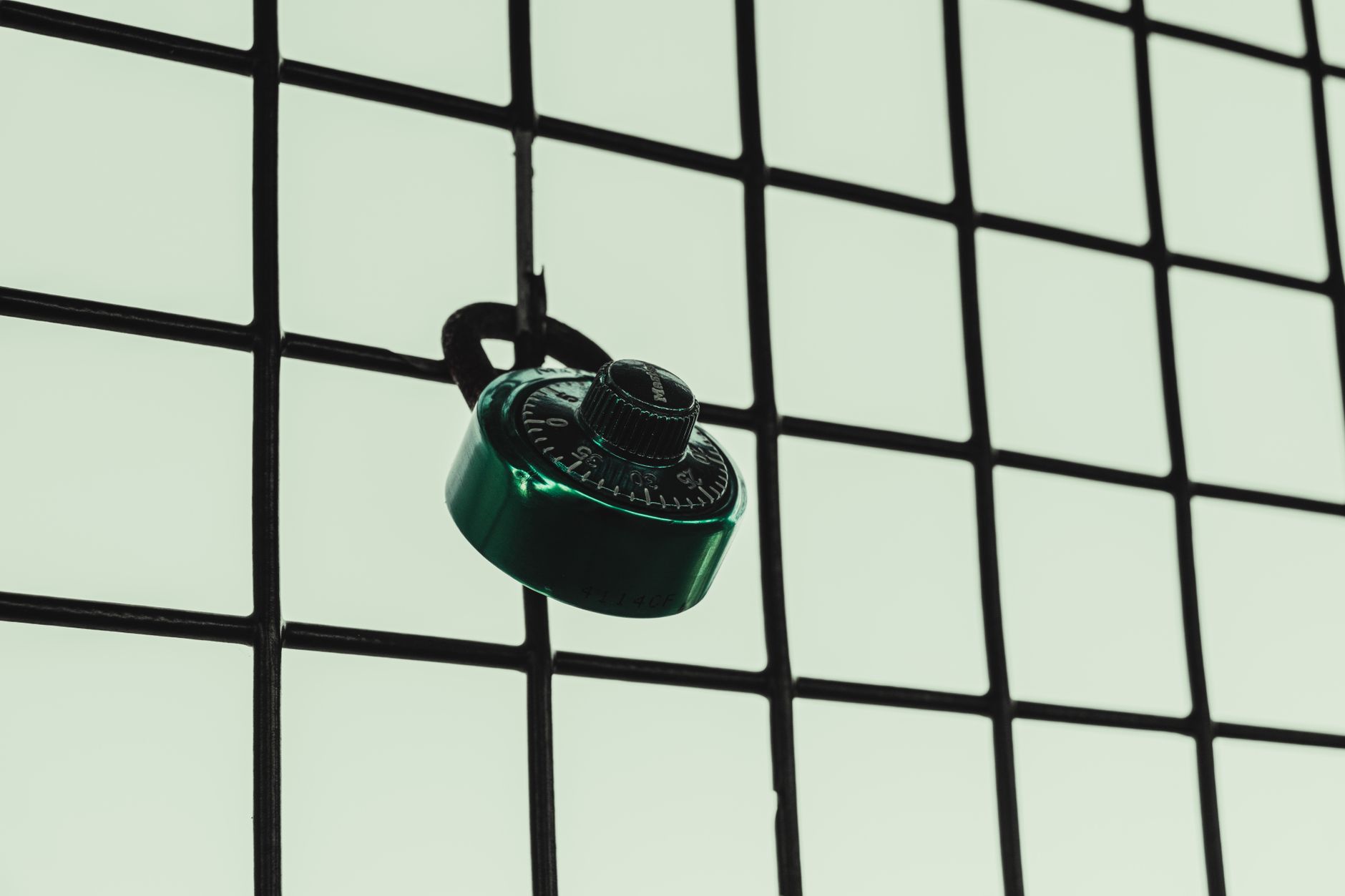
Photo by Connor Scott McManus on Pexels
Why Night‑Time Luggage Security Matters
Hostels are the beating heart of the backpacker community, but they also attract opportunistic thieves—especially after the lights go out. A study by Hostelworld found that 12% of guests reported missing items, most of them small electronics or travel documents. The problem isn’t that hostels are unsafe; it’s that the communal environment makes it easy for a careless moment to become a loss. That’s why a deliberate, three‑step night‑time stash routine can turn a vulnerable situation into a controlled one.
Step 1 – Scout a Hidden Corner and Use Hostel Amenities
Actionable tip: Before you settle in, walk the floor plan and locate a spot that’s out of the main traffic flow—think behind the reception desk, under a stairwell, or in a nook near the kitchen. If the hostel offers lockers, compare the lock quality: a metal dial lock is preferable to a flimsy combination lock.
Real example: While staying at the bustling Backpackers’ Hub in Berlin, I noticed a narrow alcove beside the laundry machines. The space was rarely used, and the wall had a built‑in metal shelf. I placed my duffel there, tucked the strap under the shelf, and added a portable cable lock. The next morning, my bag was exactly where I left it, while a fellow traveler’s bag, left in an open hallway, was missing a wallet.
When a locker is available, don’t assume it’s automatically secure. Test the lock, and if it feels loose, bring a small travel lock (a TSA‑approved lock or a zip‑tie style cable) to reinforce it. Even a cheap lock adds a psychological barrier that deters opportunistic snatch‑and‑run thieves.
Step 2 – Reinforce with Portable Locks and Cable
Invest in two lightweight security tools that won’t add bulk to your pack:
- Portable combination lock: A 4‑digit lock that slides onto the zipper pulls of most backpacks.
- Steel cable lock (5‑ft): Wrap it around a fixed object—like a metal pole, a sturdy chair leg, or the aforementioned shelf.
How to use them: Close your main bag, thread the lock through the zipper pulls, and set a memorable code (e.g., the last two digits of your flight number). Then, loop the cable around the fixed object and secure the other end into the lock’s shackle. The cable should be taut; a loose loop is an invitation for a thief to cut it.
Real example: In a hostel in Chiang Mai, I wrapped the cable around a metal pipe that supports the communal water dispenser. A fellow traveler tried to cut the cable with a pocketknife, but the steel was too thick. He gave up and left the bag untouched.
Remember to keep the lock combination in a secure place—write it on a piece of paper inside a zippered pocket of your inner clothing, or store it in a password manager on your phone (just make sure the phone is also locked).
Step 3 – Adopt a Night‑Time Stash Routine
Consistency is the secret sauce. Follow this nightly checklist:
- Secure the bag: Apply the portable lock and cable before you set your alarm.
- Place it out of sight: Slide the bag into the pre‑scouted corner or locker, ensuring the lock faces the wall.
- Mark the spot: Use a small piece of tape or a colored rubber band on the floor to remind you where you placed it. This prevents the “I can’t find my bag” panic that leads to careless handling.
- Light check: Turn off the hallway lights, but leave a dim night‑light on if the hostel provides one. Thieves rely on darkness; a faint light can act as a deterrent.
When you wake up, repeat the steps in reverse: retrieve the bag, remove the cable, and double‑check that the lock is still set. This ritual not only protects your belongings but also builds a habit that works in any shared accommodation.
FAQ – Quick Answers to Common Concerns
1. What if the hostel doesn’t have any lockers or sturdy furniture?
Look for alternative anchoring points: metal fire‑extinguishers, bathroom towel racks, or even the frame of a heavy suitcase you can stack on top of your bag. The key is to find something that can’t be easily lifted or moved.
2. Are cable locks really worth the extra weight?
Yes. A 5‑ft steel cable adds roughly 150 g, but it provides a physical barrier that a simple zip‑tie cannot. In high‑risk areas (e.g., large city hostels), that small weight can save you from losing valuable electronics.
3. How can I protect my passport and cash if I have to leave my bag unattended for a short time?
Carry a slim, RFID‑blocking money belt or a hidden pouch under your clothing. Keep the passport, cash, and cards there, and only store the bulk of your gear in the night‑time stash.
Found this helpful? Share it with fellow travelers! ✈️
0 comments:
Post a Comment