



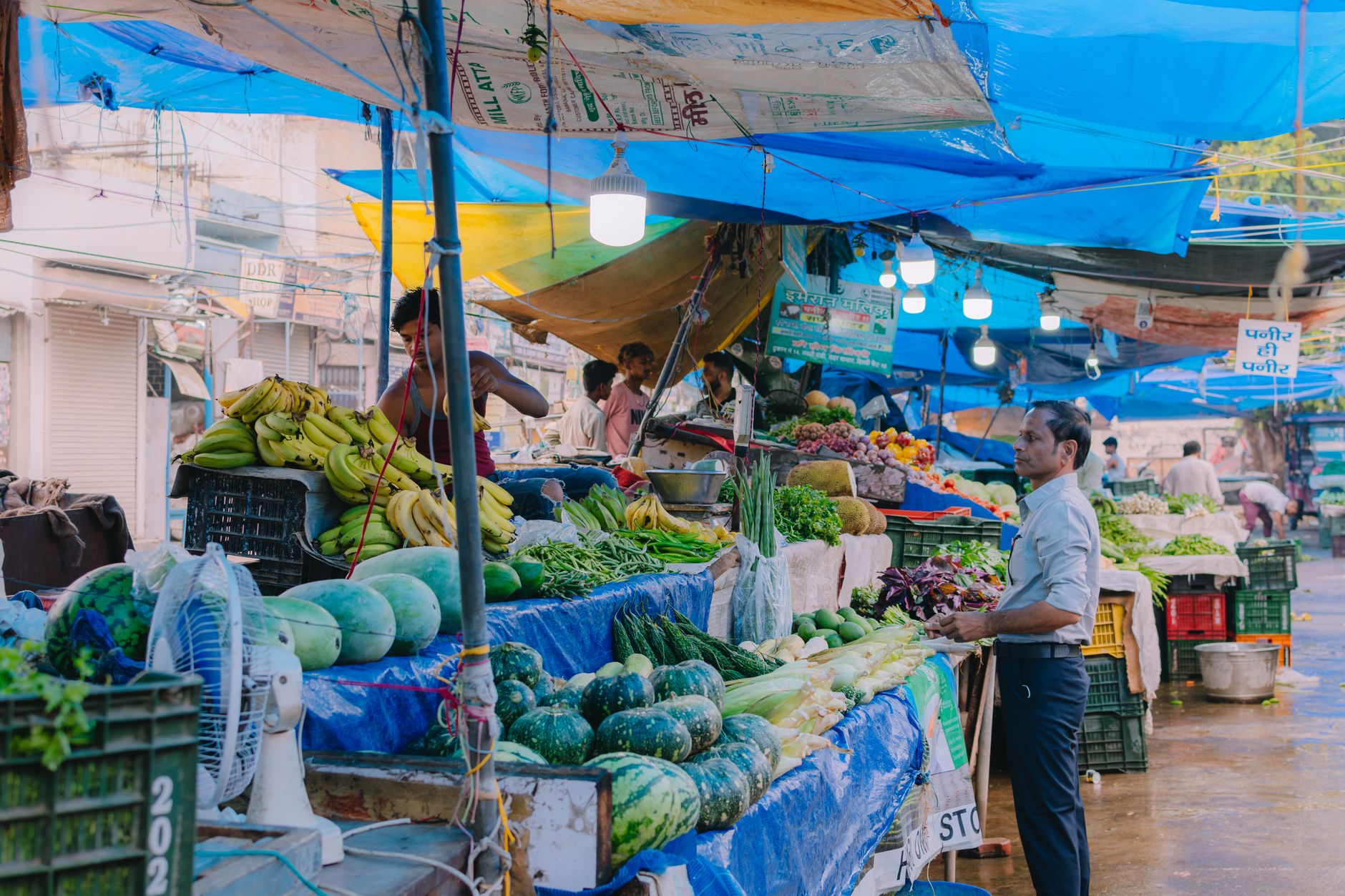
Photo by Pramod Tiwari on Pexels
Travelers who crave the pulse of a city often find it in the bustling lanes of its street markets. A well‑curated food tour can turn a quick snack stop into an immersive cultural lesson, but only if the tour truly highlights the market’s authentic flavor. Below, we break down the decision‑making process, share actionable tips, and provide real‑world examples so you can confidently choose a tour that delivers genuine street‑food experiences.
Why Authentic Street Markets Matter
Street markets are more than just vending rows; they are living museums of a city’s culinary heritage. Unlike polished restaurant districts, markets preserve recipes handed down through generations, showcase seasonal produce, and reflect the socioeconomic fabric of neighborhoods. When a tour focuses on these markets, you get:
- Local Ingredients: Fresh herbs, spices, and produce that are often unavailable elsewhere.
- Storytelling: Vendors share anecdotes about family traditions, migration patterns, and the history behind each dish.
- Affordability: Authentic street food is typically cheaper than tourist‑centric eateries, stretching your travel budget.
Choosing a tour that prioritizes these elements ensures you’re not just tasting food—you’re tasting culture.
Key Criteria for Selecting a Food Tour
Not all food tours are created equal. Use the checklist below to evaluate options before you book:
- Vendor Diversity: Look for tours that visit at least three different stalls or stands, each offering a distinct culinary style (e.g., grilled skewers, sweet pastries, fermented drinks).
- Guide Expertise: Guides should speak the local language or have strong cultural knowledge, allowing them to translate vendor stories and negotiate prices on your behalf.
- Small Group Size: Groups of 8‑12 people keep the experience intimate, give you time to ask questions, and reduce the chance of the tour becoming a rushed checklist.
- Transparent Pricing: The fee should cover the guide, tasting portions, and any necessary permits, but not include hidden costs like “extra” market entry fees.
- Sustainability Practices: Tours that encourage waste reduction (e.g., reusable plates, compostable utensils) show respect for the market’s environment.
Actionable tip: When a tour’s website lists specific stalls, Google the vendors. If they have a social media presence with genuine reviews, you’re likely looking at an authentic experience.
Real‑World Examples from Top Destinations
Below are three curated tours that meet the criteria above, each spotlighting a different continent’s street‑food scene.
1. Bangkok’s Yaowarat Night Market Walk (Thailand)
This 3‑hour walk, led by a native food historian, takes you through Chinatown’s neon‑lit lanes. Highlights include:
- “Khao Gaeng” (curry rice) from a stall run by a third‑generation chef.
- Freshly made mango sticky rice served on banana leaves.
- A tasting of “khanom buang” (Thai crepes) with a side‑by‑side comparison of traditional vs. modern fillings.
The group size is capped at 10, and the guide negotiates a 10% discount for the tour participants—saving each traveler about 150 THB.
2. Oaxaca’s Mercado 20 de Noviembre Food Crawl (Mexico)
Guided by a local chef, this half‑day tour explores the city’s most iconic market. Actionable experiences include:
- Learning to assemble a “tlayuda” with freshly fried tortillas, chapulines (grasshoppers), and Oaxacan cheese.
- Sampling “mezcal” straight from the copper stills, with the distiller explaining the agave‑to‑spirit process.
- Participating in a quick workshop on making “mole negro” using a vendor’s secret blend of 30 spices.
Because the tour partners with the market’s cooperative, a portion of each fee is donated back to vendor families.
3. Istanbul’s Kadıköy Street Food Safari (Turkey)
This 4‑hour evening tour on the Asian side of Istanbul offers a blend of Turkish and Levantine flavors. Key stops include:
- A family‑run “balık ekmek” (fish sandwich) stall where you watch the fish being grilled on a charcoal fire.
- “Kokoreç” (seasoned lamb intestines) served with fresh parsley and spicy tomato sauce.
- A sweet finale at a “baklava” shop that uses pistachios sourced from local farms.
The guide provides a printable map of the market, so you can revisit favorite stalls on your own after the tour.
Actionable tip: If the tour includes a cooking demo, bring a notebook. Writing down ingredient ratios and vendor names helps you recreate dishes later and gives credit to the creators.
FAQ
- Q1: Do I need to be fluent in the local language to enjoy a street‑market food tour?
- A: Not necessarily. Reputable tours employ bilingual guides who translate vendor conversations and explain cultural nuances. However, learning a few basic food‑related phrases (e.g., “How much?” and “Spicy?”) can enhance the interaction.
- Q2: What if I have dietary restrictions?
- A: Most authentic market tours can accommodate vegetarian, vegan, gluten‑free, or halal needs, but you should inform the operator in advance. Guides often contact vendors ahead of time to ensure safe options are available.
- Q3: How can I verify that a food tour is genuinely focused on authentic markets?
- A: Check for the following red flags: overly polished promotional photos (stock images), lack of specific vendor names, and tours that only visit tourist‑centric food courts. Authentic tours list exact stalls, provide vendor bios, and often include reviews from locals.
By applying the checklist, reviewing real‑world examples, and asking the right questions, you’ll select a food tour that not only satisfies your palate but also deepens your connection to the destination’s everyday life. Happy tasting!
Found this helpful? Share it with fellow travelers! ✈️
0 comments:
Post a Comment