



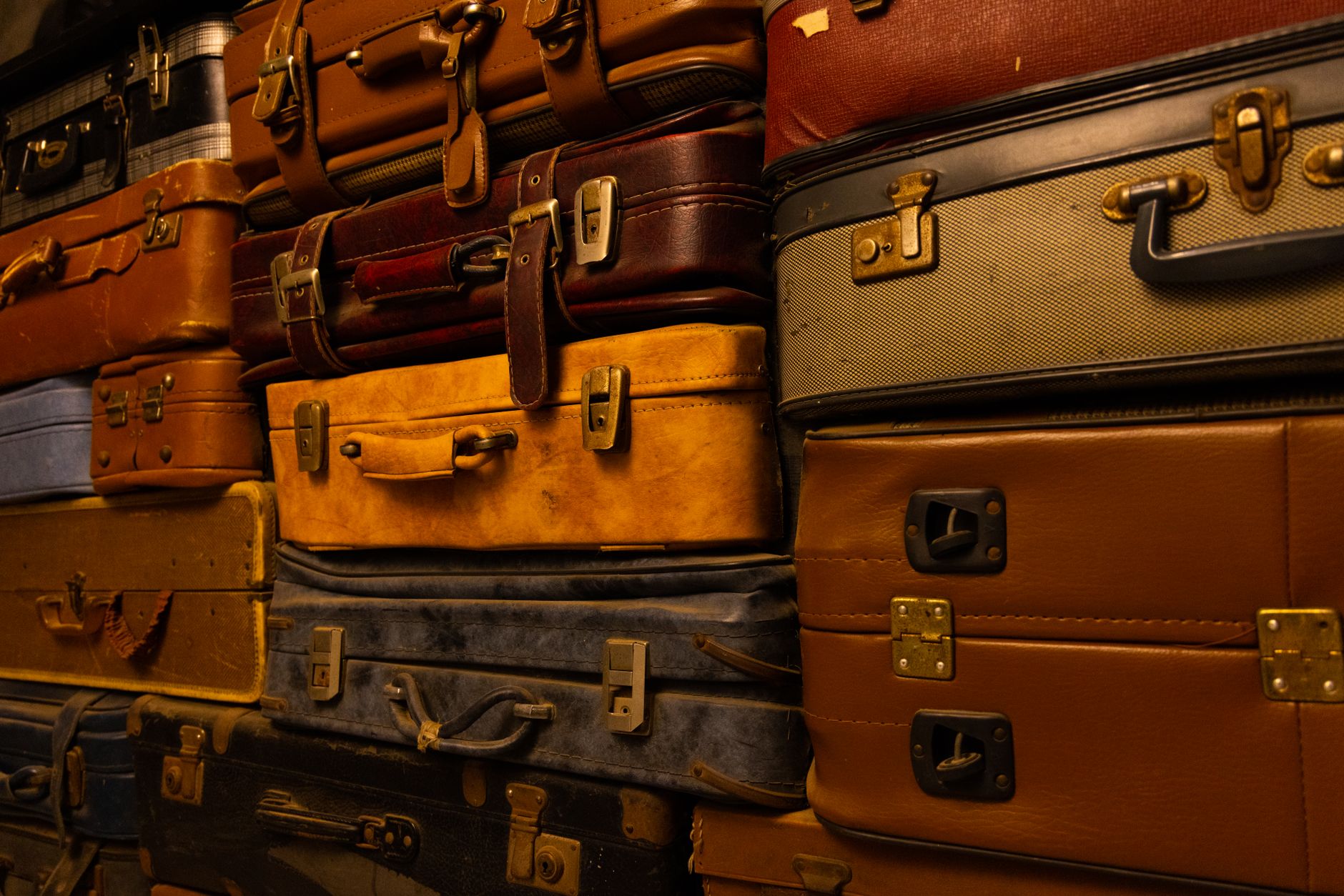
Photo by Engin Akyurt on Pexels
What Is a 5‑Item Core Kit?
When you hear the phrase “core kit,” think of a miniature toolbox that contains every essential you need for a trip, no more, no less. The magic lies in limiting the kit to five carefully chosen items that can be mixed, matched, and layered to cover a wide range of climates, activities, and itinerary changes. By focusing on versatility, you eliminate the temptation to over‑pack, reduce luggage weight, and free up space for souvenirs or unexpected gear.
Choosing the Right Five Essentials
Selection is the heart of the system. Below is a proven formula that works for most travelers, along with real‑world examples:
- 1️⃣ Multi‑purpose jacket – a lightweight, waterproof, breathable shell that can be worn alone in a drizzle or layered under a fleece for cold evenings. Example: I used a 3‑layer nylon shell in Reykjavik; it kept me dry in sudden rain and served as a windbreaker on a glacier hike.
- 2️⃣ Convertible pants – zip‑off or roll‑up trousers that become shorts. Choose a quick‑dry fabric with hidden pockets. Example: In Thailand, the same pair functioned as lightweight shorts during humid afternoons and as long pants for temple visits.
- 3️⃣ Merino base layer – a single‑weight top (and optionally leggings) that regulates temperature, resists odor, and dries fast. Example: A merino crew in Patagonia stayed fresh after three days of trekking without laundry.
- 4️⃣ Packable daypack – a 15‑20 L foldable sack that fits in your main bag but expands for day hikes, market trips, or extra layers. Example: I tucked a collapsible daypack into my carry‑on for a weekend in Lisbon; it became my go‑to for exploring narrow streets.
- 5️⃣ All‑purpose scarf or buff – a versatile piece that can be a neck warmer, head covering, face mask, or makeshift pillow. Example: In Morocco, the buff shielded me from desert sand and later doubled as a modest cover for mosque visits.
These items are deliberately broad; each can be combined in dozens of ways, dramatically reducing the number of clothing pieces you need.
How to Pack the Kit Efficiently
Even a five‑item kit can become chaotic if you don’t apply packing strategies. Follow these actionable steps:
- Roll, don’t fold. Rolling compresses fabric and creates natural creases that are easier to smooth out later. My favorite method is the “bundle” technique: place heavier items (jacket, pants) at the core, then wrap lighter layers around them.
- Use packing cubes. A single small cube (≈2 L) for the base layer and another for accessories (scarf, toiletries) keeps the core kit compartmentalized. In a 2023 trip to Japan, the cubes saved me from digging through my suitcase for a clean shirt.
- Place the daypack inside the main bag. This protects the daypack’s straps from being crushed and frees up external pockets for quick‑access items like a passport.
- Weight‑balance. Distribute the heaviest piece (usually the jacket) near the center of gravity of your suitcase. It makes rolling the bag smoother and reduces strain on your shoulders.
- Label the cubes. A simple sticker with “Core Kit” helps you locate the set in a shared hostel room or on a crowded luggage carousel.
Result? A suitcase that feels lighter, stays organized, and lets you locate any of the five items in under ten seconds.
Real‑World Success Stories & FAQs
Travelers across continents have adopted the 5‑item core kit with measurable benefits. Here are two brief case studies:
- Emma, solo backpacker, South America (2022) – Swapped a 30‑item wardrobe for the core kit plus a few personal items. Her backpack weight dropped from 12 kg to 7 kg, allowing her to add a portable charger and a small camera.
- James, business traveler, Europe (2024) – Integrated the core kit into a carry‑on, eliminating checked‑bag fees. He reported a 30 % reduction in time spent at airport baggage claim and felt more prepared for sudden weather shifts.
Below are three frequently asked questions that often arise when readers first try the method.
FAQ
- Q1: What if I need formal attire for a business dinner?
- A: Choose a jacket with a sleek, minimal silhouette that can double as a blazer. Pair it with the convertible pants worn as trousers. Add a simple, wrinkle‑resistant shirt from the base layer (many merino tops look polished when ironed briefly).
- Q2: How do I handle laundry on longer trips?
- A: Merino base layers can be worn multiple days without odor. For other pieces, wash them in a sink with a travel‑size detergent, wring gently, and roll them in a dry towel to speed up drying. The small packing cubes keep wet items separate from dry gear.
- Q3: Can the core kit work for cold‑weather destinations?
- A: Absolutely. Add a lightweight down vest (still counts as a “layer” rather than a new core item) and use the scarf/buff as a neck and head warmer. The multi‑purpose jacket should be wind‑proof, and the merino base layer provides excellent insulation even when damp.
By mastering the 5‑item core kit, you gain freedom to travel faster, pay less for baggage, and spend more time enjoying your destination rather than wrestling with overpacked suitcases.
Found this helpful? Share it with fellow travelers! ✈️
0 comments:
Post a Comment