



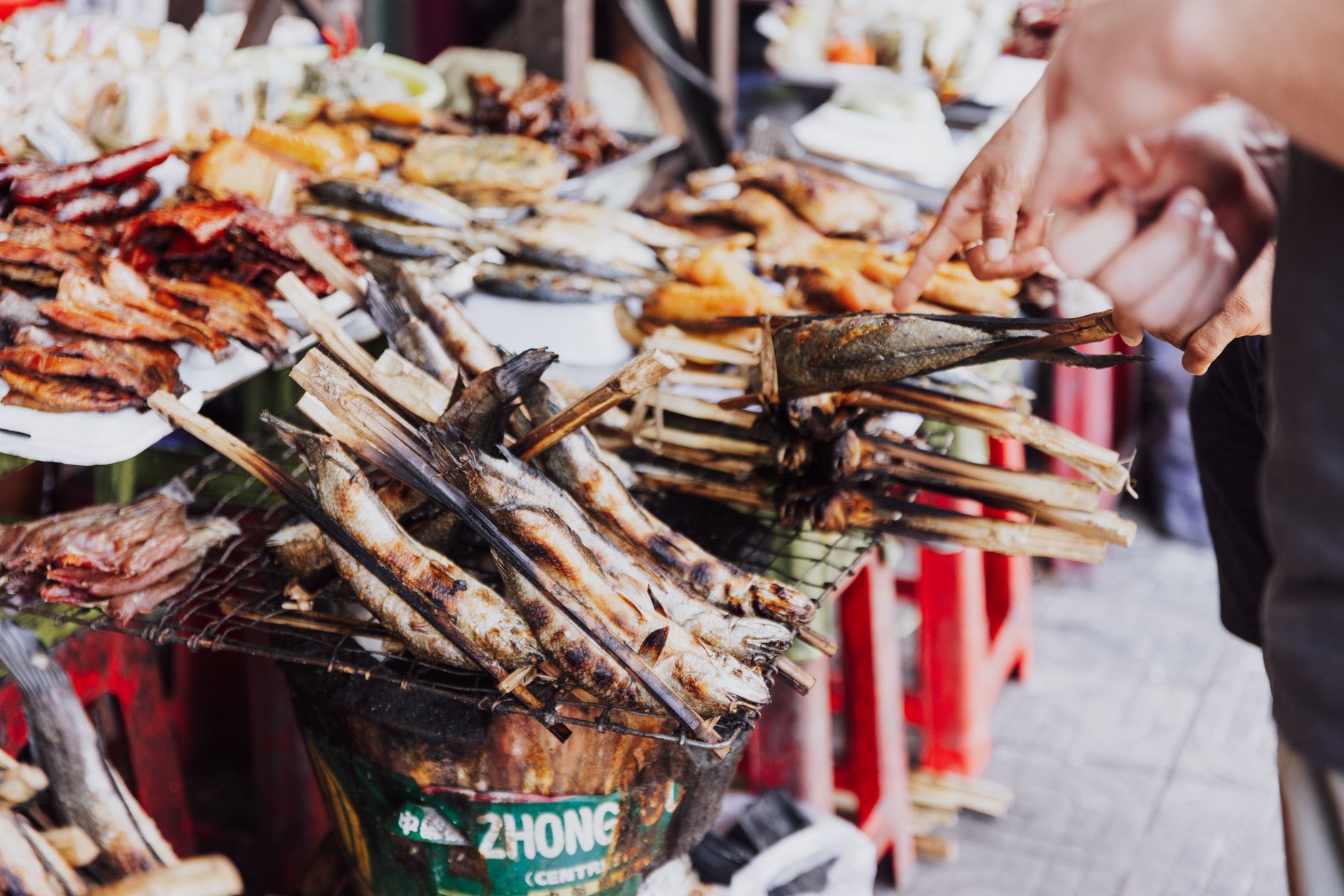
Street‑food is the pulse of a city’s culinary soul – the sizzle of a wok in Bangkok, the aroma of tacos al pastor in Mexico City, the smoky kebabs of Istanbul. Yet, the excitement of tasting these on‑the‑go delights can be shadowed by worries about stomach upsets or food‑borne illness. The good news? You don’t need a full‑blown kitchen to stay safe. With five tiny, portable prep tricks you can stash in a pocket‑sized bag, you’ll protect your gut while still diving head‑first into the local flavor.
1. Scout the Stall – Trust Your Senses Before You Bite
The first line of defense isn’t a gadget; it’s observation. Look for stalls that are busy – high turnover means food is cooked fresh and sits out less time. Notice the cleanliness of the cooking area: are utensils wiped down? Is the vendor wearing gloves or using tongs? In Hanoi’s Old Quarter, the best pho bowls come from a stall where the broth is boiled for hours and the noodles are served straight from a covered pot. In contrast, a quiet corner with a lone vendor and a pile of un‑covered leftovers is a red flag.
- Visual cue: Steam rising from the grill indicates active cooking.
- Smell cue: Freshly grilled meat should smell clean, not sour or rancid.
- Noise cue: A bustling line often means the food isn’t sitting out for long.
By using these senses, you cut the risk before you even consider a bite.
2. Pack a Mini‑Sanitizer Kit – The 3‑Item Power Pack
Portability is key. A tiny kit that fits in a fanny pack or a small zip‑lock bag can make a world of difference. Include these three items:
- Alcohol‑based hand wipes (70%+): Quickly wipe your hands and any surfaces you’ll touch, such as the vendor’s counter or your own utensils.
- Travel‑size hand sanitizer (gel): Perfect for after you eat, especially if you can’t find a sink.
- Disposable bamboo cutlery: A fork or spoon for dishes that traditionally require a utensil – think pad thai or arepas.
Example: While exploring the night market in Chiang Mai, I used a single wipe to clean the chopsticks offered at a noodle stall. The quick swipe removed visible residue, and the dish was still delightfully authentic.
3. Use a Portable Food‑Thermometer – Check the Heat, Not Just the Look
Most travelers think a thermometer is a bulky, professional tool, but today’s pocket models are the size of a pen and cost less than $15. A quick 30‑second probe can confirm that grilled chicken, fish, or meat has reached the safe internal temperature (165°F / 74°C). This is especially useful for dishes that are served “just cooked” but may have sat for a while, like kebabs in Marrakech.
Real‑world tip: In a bustling Mexican taco stand, I probed the al pastor meat and recorded 170°F – a reassuring sign that the spit‑cooked pork was still hot enough to kill harmful bacteria. If the reading is low, politely ask for a fresh piece or choose a different vendor.
4. Prep a Tiny Acidic Dip – The Natural Antimicrobial Boost
Citrus and vinegar are nature’s antimicrobial allies. Carry a small, leak‑proof container (about 30 ml) pre‑filled with freshly squeezed lime juice or a diluted rice‑vinegar dip. A quick dip can lower the surface pH of foods like grilled fish or fresh spring rolls, creating an extra barrier against microbes.
Example: In Bangkok’s Soi 38, I bought a plate of mango sticky rice. I drizzled a few drops of lime juice over the sticky rice before eating – the tang added flavor and gave me peace of mind that the rice wasn’t sitting in a warm, moist environment for too long.
Bonus: The acid also enhances taste, turning a simple snack into a more vibrant experience.
FAQ
- Q1: Can I rely solely on visual cues to determine food safety?
- A: Visual cues are a strong first filter but not foolproof. Combine them with the micro‑prep tricks – hand wipes, a quick temperature check, and an acidic dip – for layered protection.
- Q2: What if I forget my mini‑sanitizer kit?
- A: Many street markets have small vendors selling hand wipes or bottled water with a built‑in spray. Purchase a pack on the spot, or use the restroom’s soap and water if available before and after eating.
- Q3: Are disposable bamboo cutlery and plastic forks safe for the environment?
- A: Bamboo is biodegradable and a greener alternative to plastic. Choose certified compostable options, and dispose of them in designated waste bins or carry them out with you.
By integrating these five micro‑prep tricks – vendor scouting, a 3‑item sanitizer kit, a pocket thermometer, an acidic dip, and a habit of asking questions – you turn street‑food adventures into safe, unforgettable culinary memories. So pack light, stay curious, and let your taste buds travel without fear.
Found this helpful? Share it with fellow travelers! ✈️
0 comments:
Post a Comment