



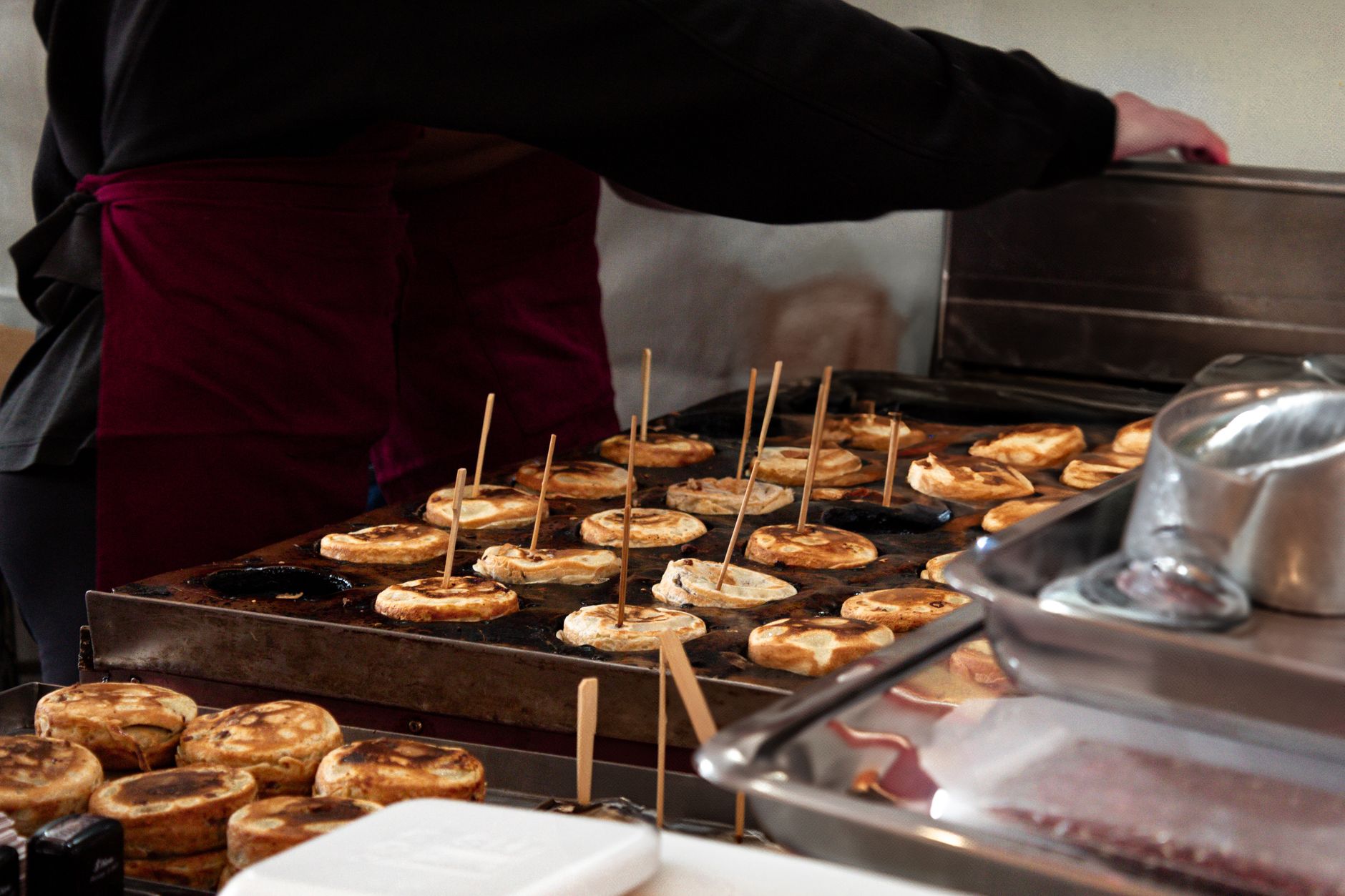
Photo by Giovanna Kamimura on Pexels
1. Follow the Local Language and Signage
Every city has its own culinary vocabulary. When you see a shop name written in the native script—like "モチ" (mochi) in Tokyo or "بكلاوا" (baklava) in Istanbul—it's a strong indicator that the dessert is rooted in local tradition. Look for descriptive adjectives such as "artisan," "hand‑crafted," or "family recipe" alongside regional terms. In New Orleans, a sign that reads "Beignets Maison du Café" signals an authentic French‑influenced treat, while a Parisian patisserie proudly displaying "Macarons de Montmartre" is likely to serve the classic almond‑based confection that the neighborhood is famous for.
Tip: Download a quick phrase guide before you travel. Knowing how to ask, "Is this a traditional dessert?" in the local language can open doors to hidden gems.
2. Look for Traditional Vendors and Markets
Street markets, historic bazaars, and long‑standing family stalls are the lifeblood of regional sweets. In Mexico City, the Mercado de Coyoacán is where you’ll find freshly made "cajeta" caramel drizzled over churros—an authentic taste that tourist chains rarely replicate. In Seoul, the Gwangjang Market’s "bungeoppang" (fish‑shaped pastry) stalls have been operating for generations, offering a crisp, red‑bean‑filled treat that reflects Korean street‑food heritage.
Real‑world example: While wandering Lisbon’s Alfama district, you’ll stumble upon a tiny shop called "Pastelaria de Belém" that has been serving the iconic Pastel de Nata since 1837. The secret? A flaky pastry, a creamy custard, and a sprinkle of cinnamon—served warm from a wood‑fired oven.
Tip: Prioritize vendors that have been in business for at least 20–30 years. Longevity often equals authenticity.
3. Trust the History and Heritage of the Establishment
Many iconic desserts are tied to a specific location’s history. Take Italy’s "Tiramisu"—the name means “pick me up,” and the original recipe hails from the Veneto region’s cafés. When you find a café in Treviso that proudly displays a vintage menu dating back to the 1960s, you’re likely tasting the genuine article. Similarly, in Barcelona, "Crema Catalana" is traditionally caramelized with a hand‑held torch; a restaurant that still uses this method is respecting the dessert’s heritage.
Real‑world example: In Marrakech, the tea house "Café des Épices" serves "M'hanncha," a coiled almond pastry that has been part of Moroccan celebrations for centuries. The pastry’s intricate shape and the use of orange‑flower water are hallmarks of authenticity.
Tip: Ask staff about the dessert’s origin story. Establishments that can recount a lineage are usually proud of their authenticity.
4. Use Seasonal and Ingredient Clues
Authentic regional desserts often reflect the seasonality of local produce. In the Pacific Northwest, you’ll find "huckleberry pies" during summer because the berries are harvested locally. In Greece, "Baklava" made with locally sourced pistachios from the island of Aegina indicates a genuine version, as opposed to a mass‑produced version using generic nuts.
Real‑world example: When in Bangkok, seek out "Khao Niew Ma Muang" (mango sticky rice) during the mango season (April–June). Vendors that use freshly harvested mangoes and locally milled glutinous rice deliver a taste that cannot be replicated with imported ingredients.
Tip: Research the peak harvest times for the key fruit or nut in the dessert you’re after. Visiting during that window dramatically increases your chances of tasting the real thing.
FAQ
- How can I tell if a dessert is a tourist version?
- Tourist versions often use cheaper, globally sourced ingredients and may lack the traditional preparation method (e.g., pre‑made pastry shells, artificial flavorings, or mass‑produced toppings). Look for signs of hand‑crafting, local sourcing, and a story that ties the dessert to the region.
- What if I don’t speak the language—how do I still find authentic sweets?
- Use visual cues: traditional packaging, historic storefronts, and bustling local markets. Carry a translation app to ask simple questions like "Is this a local specialty?" Most vendors appreciate the effort and will gladly explain.
- Are there any apps or websites that help locate authentic dessert spots?
- Yes. Platforms like EatWith, Foodspotting, and local foodie Instagram hashtags (e.g., #TokyoMochi or #PortlandDonuts) often highlight genuine spots. Cross‑reference with travel forums and look for reviews that mention "family‑run" or "heritage".
Found this helpful? Share it with fellow travelers! ✈️
0 comments:
Post a Comment